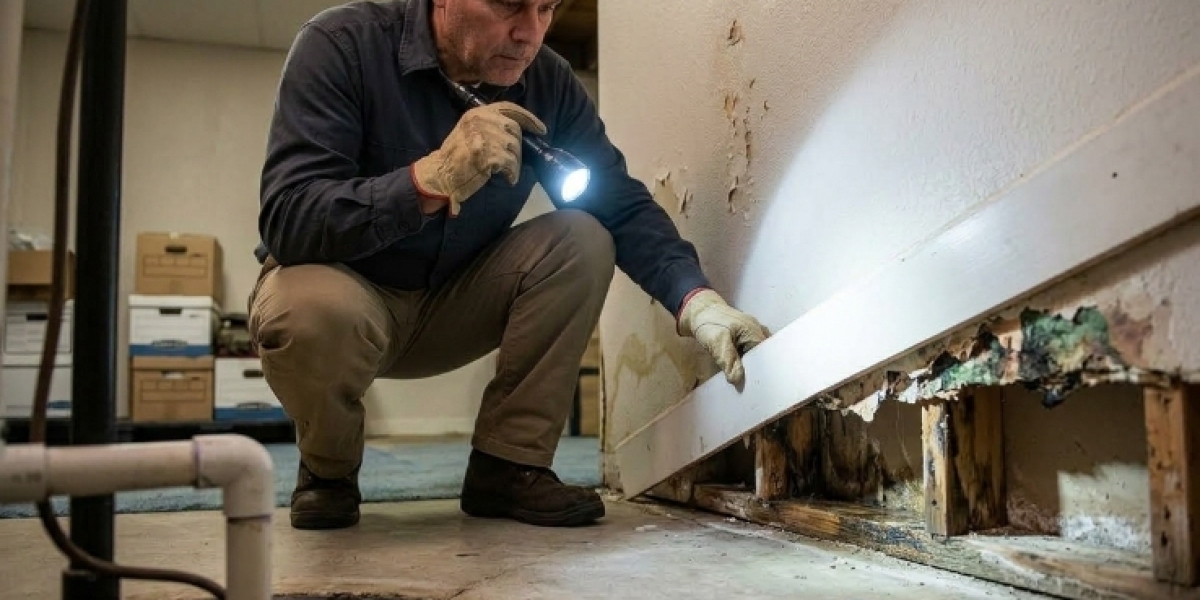

Concrete floors can look nearly indestructible, but they are still affected by moisture, soil movement, heavy loads, temperature changes, and poor drainage. Small cracks or surface damage may seem harmless at first, yet some problems become more difficult to fix when they are left alone.
The important question is not simply whether concrete has cracked. It is why the damage happened and whether the condition is getting worse.
Understanding the type of failure helps homeowners decide whether a small repair is enough or whether the surrounding area needs closer attention.
Not Every Concrete Crack Means the Same Thing
Small surface cracks can appear for several reasons. Concrete naturally shrinks as it cures, and minor cracking may develop during that process.
Other cracks may be related to movement below the slab, moisture problems, settlement, or stress from heavy loads. Their width, location, pattern, and progression can provide useful clues.
A crack that remains stable over time is different from one that keeps widening or develops changes in elevation.
Look at the Pattern Before Choosing a Repair
Where a crack appears can be just as important as how large it is. A crack running along a wall may behave differently from one crossing the middle of a slab.
Multiple cracks in several areas can also suggest that the issue is not limited to one isolated point. In some cases, movement below the concrete can affect a larger section of the floor.
That is why covering a crack with a surface patch should not always be the first step. The condition around it needs to be understood first.
How Moisture Can Affect Concrete Slabs
Water beneath or around a slab can contribute to several problems. Changes in soil moisture may affect the ground supporting the concrete, while poor drainage can keep the surrounding area wet for long periods.
Moisture can also move through concrete and contribute to staining, surface deterioration, or repeated problems with nearby finishes.
A floor that shows cracking and persistent moisture deserves closer attention than one with a few isolated cosmetic marks.
Watch for Uneven Areas
Changes in level can be an important clue. If one section of a slab begins sitting higher or lower than another, the problem may involve movement beneath the concrete rather than the surface alone.
Uneven flooring can also affect doors, walls, equipment, and other finishes connected to the area. That makes elevation changes worth addressing before they progress.
When Surface Damage Is More Than Cosmetic
Concrete can develop scaling, flaking, chipped edges, and worn areas in addition to cracking. Some surface damage is relatively minor, but deeper deterioration can expose more of the slab to moisture and continued wear.
Heavy traffic can accelerate wear in frequently used areas. Outdoor concrete may also face repeated freeze-thaw cycles that place additional stress on the material.
The right repair depends on how deep the damage goes and whether the concrete below remains sound.
What Proper Repair Needs to Consider
A lasting repair should match the reason the concrete failed. Simply filling a visible crack may not be enough when movement or moisture continues to affect the slab.
For larger concrete problems, homeowners may need Concrete Services that address the damaged surface while also considering the surrounding conditions.
This is especially important when the concrete is part of a larger basement, foundation, walkway, or structural area where water and ground conditions may influence performance.
When a Slab Crack Needs Closer Attention
A crack deserves more attention when it is growing, accompanied by uneven surfaces, or appears along with moisture problems. Cracks that return after repeated repairs can also indicate that the underlying issue has not been addressed.
Doors sticking, floors becoming uneven, or new cracks appearing nearby are other signs that the problem may involve more than surface wear.
In these situations, repairing the visible crack without checking the surrounding concrete can lead to repeated work.
How Maintenance Can Extend Concrete Life
Concrete lasts longer when water is controlled and small problems are addressed before they spread. Keeping drainage paths clear can reduce prolonged moisture around vulnerable areas.
Regularly checking for new cracks, chipped edges, surface wear, and changes in level can also help identify problems early.
Routine upkeep matters because small defects are generally easier to manage than widespread deterioration. Existing guidance on Concrete Slab Repair can also help homeowners understand why ongoing concrete care matters after repairs are completed.
Why the Area Around the Slab Matters
A concrete slab does not work independently from everything around it. Drainage, soil conditions, nearby foundation walls, moisture movement, and surface grading can all influence how the concrete performs.
This is especially important in basement areas. A crack may be visible on the floor, but the reason it appeared could involve conditions below or around the slab.
Looking only at the damaged spot can therefore miss the larger cause.
Conclusion
Cracks and surface damage should be judged by more than appearance. The location, pattern, moisture conditions, movement, and overall condition of the concrete can all help determine what type of repair makes sense.
Addressing the cause is what makes a repair more durable. When concrete problems are evaluated early, homeowners have a better chance of correcting the issue before a small defect becomes a larger and more expensive problem.