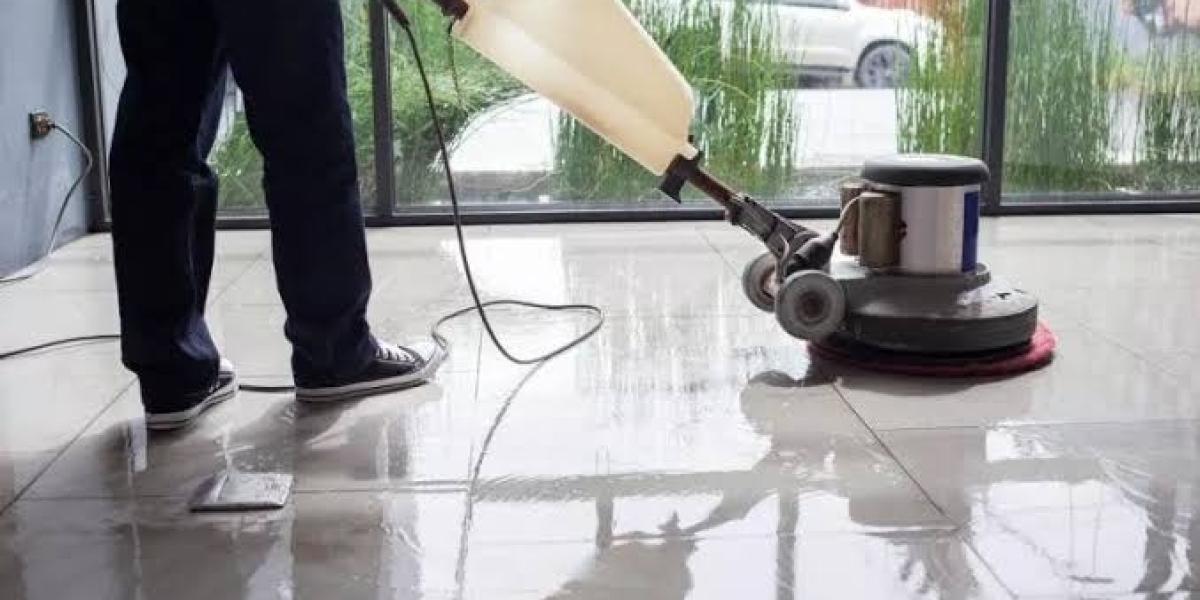

Marble floors, countertops, and shower surrounds are a signature feature in many Atlanta homes, from the historic bungalows of Grant Park to the newer builds in Alpharetta and Sandy Springs. But marble is a soft, porous stone, and over time foot traffic, humidity, and everyday spills leave it looking dull, etched, or scratched. When that happens, homeowners face a real decision: reach for a DIY polishing kit, or call in marble polishing services. Here's an honest, experience-based breakdown of both routes so you can choose what's actually right for your home.
Understanding What "Polishing" Really Means
Before comparing methods, it helps to know what polishing actually does. True marble polishing isn't just wiping on a shiny liquid — it's a mechanical process that levels micro-scratches and etches in the stone's surface using progressively finer abrasives (often diamond pads), followed by a crystallization or buffing step that restores the stone's natural light-reflecting shine. Products that simply coat the surface with a glossy film are a different thing entirely, and they behave very differently over time.
The DIY Route: What It Involves
Homeowners typically approach DIY marble care in one of two ways:
1. Polishing powders and creams. These contain mild abrasives (often oxalic acid or aluminum oxide) that you apply with a damp cloth or buffing pad and a drill attachment. They can improve minor dullness on lightly worn marble.
2. Topical "polish" sprays or coatings. These lay down a temporary glossy film. They make the surface look shinier almost instantly, but the effect is cosmetic and wears off within days to weeks, especially in high-traffic areas like kitchen islands or entryway floors.
Where DIY Works
- Light dust removal and routine shine maintenance between deeper treatments
- Very minor dullness on small, low-traffic surfaces
- Homeowners comfortable testing products in an inconspicuous spot first
Where DIY Falls Short
- Etch marks from acidic spills (wine, citrus, vinegar) usually need actual abrasive leveling, not a coating
- Deep scratches, especially on floors, require sequential diamond pad grits that most home kits don't include
- Incorrect products (anything acidic, or generic "stone cleaners" with the wrong pH) can etch marble further, sometimes permanently altering the finish
- Uneven pressure from hand buffing or a household drill can create new low spots or hazing, which is difficult to reverse without professional equipment
- Large areas — an entire kitchen floor or a shower enclosure — are extremely labor-intensive and hard to finish evenly by hand
The Professional Route: What It Involves
Professional marble polishing follows a structured, multi-step process:
- Assessment — technicians examine the marble's type, finish, and the extent of etching, staining, or scratching, since not all marble responds the same way to the same treatment.
- Diamond abrasive honing — a sequence of progressively finer diamond pads levels scratches and etches without removing more material than necessary.
- Crystallization or polishing compound — a final step chemically hardens and shines the surface, restoring depth and clarity to the stone.
- Sealing — a penetrating sealer is applied to slow future staining and etching, something DIY kits rarely address at all.
Where Professional Service Wins
- Deep or widespread etching and scratching, especially on floors that see years of wear
- Large surface areas that need a uniform, streak-free finish
- Marble with sentimental or resale value, where a mistake is costly to correct
- Homes preparing to sell, where floor and countertop condition affects buyer impressions
- Long-term protection through proper sealing, which extends the time between treatments
Cost and Time Considerations for Atlanta Homeowners
DIY kits are inexpensive upfront, often $20–$60, but the shine tends to be short-lived and the risk of surface damage carries its own repair cost if something goes wrong. Professional polishing costs more per visit, but it addresses the underlying wear rather than masking it, and a well-sealed, professionally polished floor can go a year or more before needing attention again, depending on traffic and household habits.
Atlanta's climate is also a factor. Humidity swings between summer and winter can affect how sealers cure and how marble expands and contracts slightly at grout lines and seams. Professionals working regularly in the local climate are more familiar with how to time sealing and polishing around these conditions than a one-time DIY attempt.
Why Experience and Expertise Matter Here
Marble polishing sits at the intersection of chemistry and craftsmanship. Knowing that a etch needs to be leveled is different from knowing how far to hone before you thin the stone unevenly, or which crystallization compound suits a specific marble variety (Carrara behaves differently than Emperador or Crema Marfil, for example). This is the kind of judgment that comes from repeated, hands-on work with many different stone types and wear patterns — not from a one-time product purchase. Reputable marble polishing services typically train technicians specifically on stone restoration, separate from general cleaning, precisely because the margin for error is narrow and mistakes on natural stone aren't easily undone.
Trust Signals to Look For When Hiring a Professional
If you decide professional restoration is the right call, a few things separate trustworthy providers from the rest:
- Clear, itemized quotes that explain what "polishing," "honing," and "sealing" each involve
- Willingness to test a small, inconspicuous area first
- Insurance and a track record of stone-specific (not just general cleaning) work
- Transparent guidance on maintenance products safe for marble going forward, so you're not undoing the work with the wrong household cleaner
The Bottom Line
For light upkeep between deeper treatments, a careful DIY approach can hold you over. But for etching, scratching, dullness across larger surfaces, or marble that matters to your home's value and appearance, professional restoration is the more reliable long-term choice. It addresses the actual condition of the stone rather than masking it temporarily, and it comes with the sealing step that protects your investment going forward. For most Atlanta homeowners dealing with anything beyond light surface dust, calling in experienced marble polishing services will save both the marble and, in the long run, your time and money.