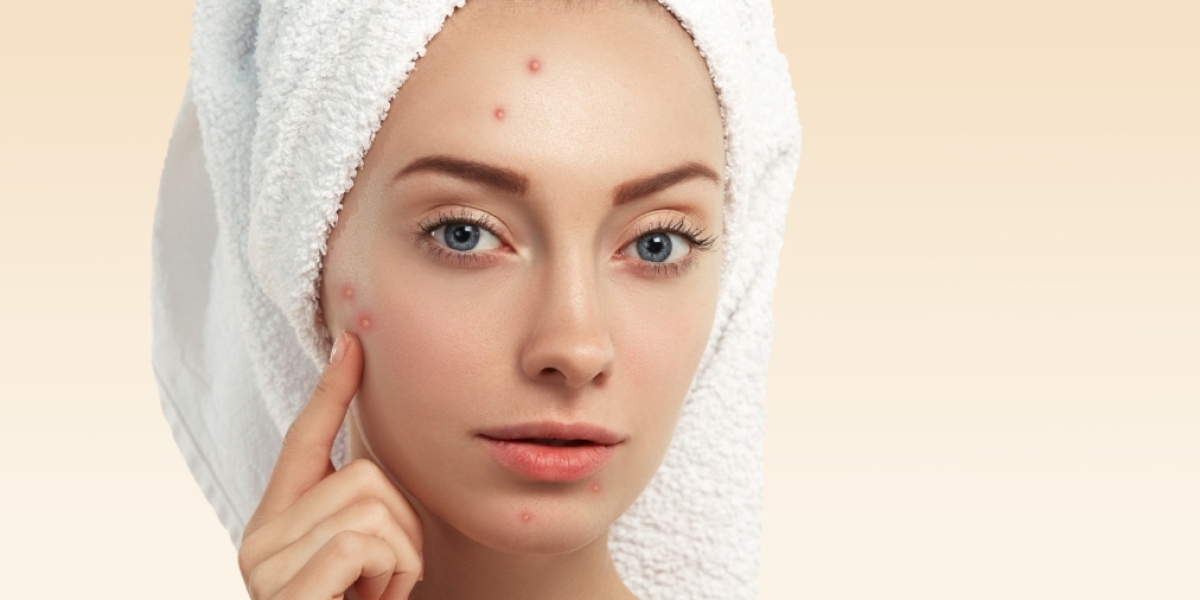

Acne is one of the most common skin concerns, affecting teenagers and adults alike. Breakouts can appear as blackheads, whiteheads, inflamed spots, papules, pustules, or deeper blemishes. For some people, acne may continue well beyond adolescence and become a persistent concern that affects skin texture, tone, and confidence.
The right Acne Treatment In Manchester depends on the type, severity, duration, and individual characteristics of your skin. Modern professional approaches can combine personalised skincare with clinic-based treatments designed to improve active breakouts, blocked pores, excess oil, uneven texture, and post-acne marks.
According to the NHS, acne treatment may include topical treatments such as benzoyl peroxide, retinoids, or azelaic acid, while moderate or severe acne may require prescription treatment.
At SLA Medical Clinic, acne care is personalised around the individual's skin concerns and treatment goals, with options including chemical peels, light-based therapies, personalised facials, and prescription-strength topical approaches.
What Causes Acne?
Excess Oil Production
Sebaceous glands naturally produce sebum, an oily substance that helps maintain the skin barrier. When too much sebum is produced, it can contribute to blocked pores and create an environment where acne develops.
Blocked Pores
Dead skin cells can accumulate within hair follicles and combine with sebum. This can result in blackheads and whiteheads and may contribute to inflammatory spots.
Bacteria and Inflammation
Acne is also associated with changes in the skin's microbial environment and inflammation around blocked follicles. This is why acne can appear as red, swollen, or tender blemishes rather than simply clogged pores.
Hormonal Changes
Hormonal fluctuations can influence oil production and contribute to recurring acne. This can be particularly noticeable during adolescence and around certain stages of adulthood.
What Is Acne Treatment in Manchester?
Acne treatment in Manchester refers to professional approaches used to manage active acne and improve the overall appearance and condition of acne-prone skin.
Treatment is not necessarily a single procedure. A professional assessment can help determine whether your skin would benefit from topical skincare, exfoliation, chemical peels, light-based treatments, personalised facials, or a combination approach.
The NHS notes that acne treatment can take several weeks or months to show noticeable improvement, depending on the treatment and severity of the condition.
Advanced Acne Treatment Options
Chemical Peels
Chemical peels use carefully selected solutions to exfoliate the skin. Depending on the formulation and concentration, they can help remove accumulated dead skin cells and improve the appearance of congested and uneven skin.
Professional chemical peels may be incorporated into an acne-focused treatment plan when appropriate.
Light-Based Treatments
Light-based therapies are another option that may be considered for acne-prone skin. These treatments use specific wavelengths of light as part of a professional skin-management approach.
The suitability of light-based treatment depends on the individual's skin condition and treatment objectives.
Personalised Facials
Professional facials can be adapted to address concerns such as congestion, excess oil, and uneven-looking skin. Rather than using the same facial for every person, a personalised approach can focus on the characteristics of the individual's skin.
Prescription-Strength Topical Treatments
Some acne requires medical treatment rather than cosmetic skincare alone. Depending on the diagnosis and severity, prescription options can include topical retinoids, antibiotics, azelaic acid, or combination treatments.
Greater Manchester prescribing guidance also lists topical options including benzoyl peroxide, azelaic acid, adapalene, and combination preparations for appropriate acne presentations.
Treatment for Post-Acne Skin Concerns
Once active acne is under better control, some people remain concerned about uneven texture, pigmentation, or visible acne marks. Treatment can then be adapted to address these additional concerns.
The focus may shift from managing active breakouts to supporting smoother-looking, more even skin.
Who Can Consider Acne Treatment?
Teenagers With Persistent Breakouts
Teenage acne is extremely common because hormonal changes can increase oil production. If basic skincare does not provide sufficient improvement, professional advice can help identify appropriate treatment options.
Adults With Persistent Acne
Adult acne can continue for years or appear for the first time during adulthood. A personalised assessment can help determine the most appropriate approach.
People With Recurring Acne
Some people experience repeated breakouts in particular areas of the face. A consistent treatment and skincare routine can help address recurring congestion and support longer-term skin management.
People Concerned About Acne Marks
Acne can sometimes leave visible pigmentation or changes in skin texture even after active spots have improved. Professional treatment can address these concerns as part of a broader skin plan.
What Happens During an Acne Treatment Consultation?
Skin Assessment
The process generally begins with an assessment of the skin. The practitioner can consider the appearance and distribution of breakouts, congestion, pigmentation, skin texture, and other relevant concerns.
Discussion of Skin History
Your skincare routine, previous treatments, and the duration of your acne can help determine which approach may be appropriate.
Personalised Treatment Planning
At SLA Medical Clinic, treatment plans are developed around the individual's skin requirements. The clinic states that consultations involve assessing the skin and discussing concerns before creating a personalised plan.
Treatment and Ongoing Skin Management
Depending on the selected approach, treatment may involve a clinic-based procedure, topical skincare, or a combination of methods. Follow-up appointments can help assess progress and make adjustments where appropriate.
How Long Does Acne Treatment Take to Work?
Results vary depending on the severity of acne, the treatment used, and individual skin response.
The NHS explains that many acne treatments require several weeks before noticeable improvement occurs, while some treatments may take two to three months to show their full effect.
Consistency is therefore an important part of acne management. Stopping a treatment too early may make it difficult to determine whether it is working effectively.
Acne Treatment Cost In Manchester
The Acne Treatment Cost In Manchester can vary considerably because acne treatment is not a single standard procedure.
The final price may depend on factors such as:
Type of Treatment
A chemical peel, facial, light-based treatment, or medically supervised treatment may have different pricing.
Number of Sessions
Some professional treatments are performed as a course rather than a single appointment. The number of sessions depends on the individual's skin condition and treatment plan.
Treatment Complexity
More persistent or complicated acne may require a more comprehensive approach than occasional mild breakouts.
Personalised Skincare
If professional skincare products or prescription treatments form part of the plan, these may affect the overall cost.
For this reason, an individual consultation is generally the most appropriate way to determine the expected Acne Treatment Cost In Manchester for a particular treatment plan.
How to Support Acne-Prone Skin at Home
Use a Gentle Cleanser
Cleansing the skin gently can help remove excess oil, makeup, and daily impurities without unnecessary irritation. The NHS recommends washing acne-prone areas no more than twice daily with mild cleanser and lukewarm water.
Choose Non-Comedogenic Products
Skincare and cosmetic products labelled non-comedogenic are designed to be less likely to block pores. This can be useful for people prone to congestion.
Avoid Picking Spots
Picking or squeezing blemishes can aggravate the skin and contribute to persistent marks. A consistent skincare routine is generally preferable to manually attempting to remove spots.
Follow Your Treatment Plan
Professional treatments work best when combined with appropriate aftercare and a consistent home routine. Follow the specific skincare instructions provided during your consultation.
Use Sun Protection
Daily sun protection is an important part of maintaining healthy-looking skin, particularly when using certain acne treatments that may increase sensitivity to sunlight.
Why Choose Professional Acne Treatment?
Personalised Approach
Every person's acne is different. Professional assessment allows treatment to be selected according to the appearance and needs of the skin rather than relying on a generic routine.
Combination Treatment Options
Professional acne management can incorporate different approaches where appropriate. This allows active acne, congestion, pigmentation, and texture concerns to be considered within one overall skin plan.
Ongoing Skin Support
Acne management often requires consistency rather than a single quick solution. Ongoing professional guidance can help adjust the treatment approach as the skin changes.
Why Choose SLA Medical Clinic for Acne Treatment in Manchester?
SLA Medical Clinic provides personalised acne treatment in Manchester, with its acne service designed around concerns including chronic breakouts, cystic spots, and persistent post-acne marks. The clinic lists chemical peels, light-based therapies, personalised facials, and prescription-strength topical remedies among potential treatment options.
The clinic is located at 3 Monton Green, Worsley, Eccles, Manchester, and provides consultations for skin concerns and aesthetic treatments.
Its approach focuses on assessing the individual's skin and creating a treatment plan based on their specific requirements rather than applying exactly the same treatment to every patient.
Frequently Asked Questions
What is the best acne treatment in Manchester?
There is no single treatment that is appropriate for everyone. The most suitable option depends on the type and severity of acne, skin characteristics, previous treatments, and individual goals.
How quickly can acne improve?
Some treatments begin showing improvement within several weeks, while a more significant response may require several months. The NHS notes that many acne treatments take two to three months to produce noticeable improvement.
Can acne treatment help with acne marks?
Some professional skin treatments can be incorporated into a plan for pigmentation and uneven texture that remains after active acne has improved. The appropriate approach depends on the type of mark and individual skin characteristics.
How many acne treatment sessions will I need?
The number of sessions varies. It depends on the treatment selected, the condition of your skin, and how your skin responds. A consultation can establish a more personalised treatment schedule.
Is acne treatment suitable for adults?
Yes. Acne can affect adults as well as teenagers. Persistent adult acne can be assessed and managed with an appropriate professional treatment plan.
How much does acne treatment cost in Manchester?
The Acne Treatment Cost In Manchester depends on the treatment selected, number of sessions, and individual requirements. A consultation is the best way to establish the expected cost of a personalised treatment plan.
Conclusion
Acne can be persistent, but a carefully planned approach can help improve the appearance and overall condition of acne-prone skin. Acne treatment in Manchester may include professional procedures, personalised skincare, topical treatments, and other approaches selected according to individual needs.
From managing active breakouts to improving congestion, pigmentation, and uneven-looking texture, a personalised plan can provide a structured approach to healthier-looking skin.
At SLA Medical Clinic, acne treatment begins with understanding the individual's skin concerns and developing an appropriate treatment plan. With professional assessment and consistent skincare, the goal is to support clearer, healthier-looking skin over time.