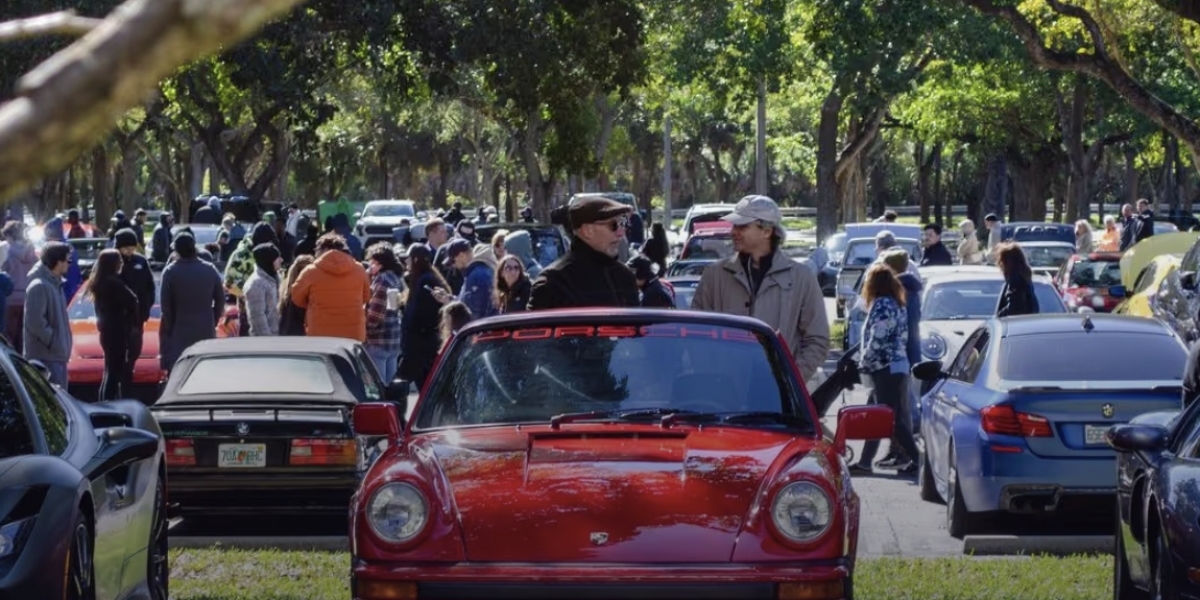

A group cruise can turn an ordinary drive into a memorable automotive experience. Whether it includes a few friends, an established car club, or a larger community, a well-planned cruise gives enthusiasts an opportunity to enjoy their vehicles and explore new roads together.
Successful cruises require more than choosing a destination and asking everyone to follow the lead car. A clear route, strong communication, and realistic safety rules can make the difference between an enjoyable drive and a frustrating experience.
Choose the Right Route
Start with a route that matches the size and style of the group.
Scenic roads, coastal highways, mountain routes, and countryside drives can create an excellent experience. However, organizers should also consider traffic, construction, road conditions, tolls, fuel availability, and the number of turns.
Avoid routes that require constant lane changes or make it difficult for the group to stay organized. For a larger cruise, include planned checkpoints where drivers can safely regroup without blocking traffic.
Drive the entire route in advance whenever possible. Navigation apps may not reveal every problem, including poor road surfaces, difficult entrances, limited parking, or unexpected closures.
Select a Safe Meeting Location
The starting location should have enough space for every participating vehicle without disrupting a business or surrounding traffic.
Large parking areas may work well, but always request permission from the property owner when necessary. Clearly identify where vehicles should park and avoid entrances, fire lanes, loading zones, or spaces reserved for customers.
Choose a location with nearby fuel stations and restrooms, especially for longer cruises. Ask every driver to arrive with a full tank so the group does not need an early fuel stop.
Share the Details in Advance
Every participant should receive the important information before the event, including:
• Meeting location
• Arrival and departure times
• Full route
• Final destination
• Planned stops
• Estimated distance and duration
• Fuel requirements
• Weather expectations
• Organizer contact information
• Rules for the drive
Encourage every driver to save the route independently. The cruise should not depend entirely on following the vehicle ahead.
Car Social can help organizers create and share automotive events while giving enthusiasts an easier way to discover upcoming cruises, meets, shows, and other activities.
Establish Simple Driving Rules
The purpose of a cruise is to enjoy the drive—not to race.
Drivers should follow traffic laws, maintain safe distances, use turn signals, and avoid aggressive lane changes. No participant should feel pressured to exceed the speed limit or drive beyond their comfort level to stay with the group.
Discourage burnouts, highway pulls, blocking intersections, and attempts to keep the entire group together through traffic lights. If the convoy becomes separated, drivers should continue following the shared route and reconnect at the next planned stop.
Make it clear that every driver is responsible for their own vehicle, decisions, and conduct.
Assign Lead and Support Vehicles
The lead driver should know the route and maintain a consistent, legal speed. This vehicle sets the pace and should avoid sudden turns or unnecessary lane changes.
For larger groups, assign a final support vehicle. This driver remains near the back and can notify the organizer if a participant has a mechanical issue or becomes separated.
Additional group leaders can be placed throughout a large convoy to help with communication. Walkie-talkies may be useful, but drivers should avoid any device that creates a distraction.
Plan Stops and the Final Destination
Longer cruises should include planned breaks for fuel, food, restrooms, and photos. Make sure each stop has enough parking for the expected turnout.
The final destination should give the group time to relax and connect after the drive. Restaurants, scenic areas, automotive businesses, and event venues can all work, but larger groups should contact the location beforehand.
Do not assume a business can accommodate dozens of vehicles without notice.
Prepare for Problems
Weather, traffic, mechanical failures, and last-minute route changes can affect any cruise.
Check the forecast before departure and decide whether the drive should be postponed during severe weather. Ask participants to carry basic emergency supplies, confirm their vehicles are roadworthy, and make their own roadside-assistance arrangements.
Organizers should also have a backup route and a method for sending updates if plans change.
Create an Experience Worth Repeating
The best group cruises feel organized without becoming overly complicated. Choose an enjoyable route, communicate clearly, prioritize safety, and leave enough time for the group to connect at planned stops.
After the cruise, share photos, thank the drivers, and ask for feedback. Each event provides an opportunity to improve the next one.
Ready to find or organize your next automotive cruise? Visit carsocialapp.com to discover upcoming events and connect with the automotive community.