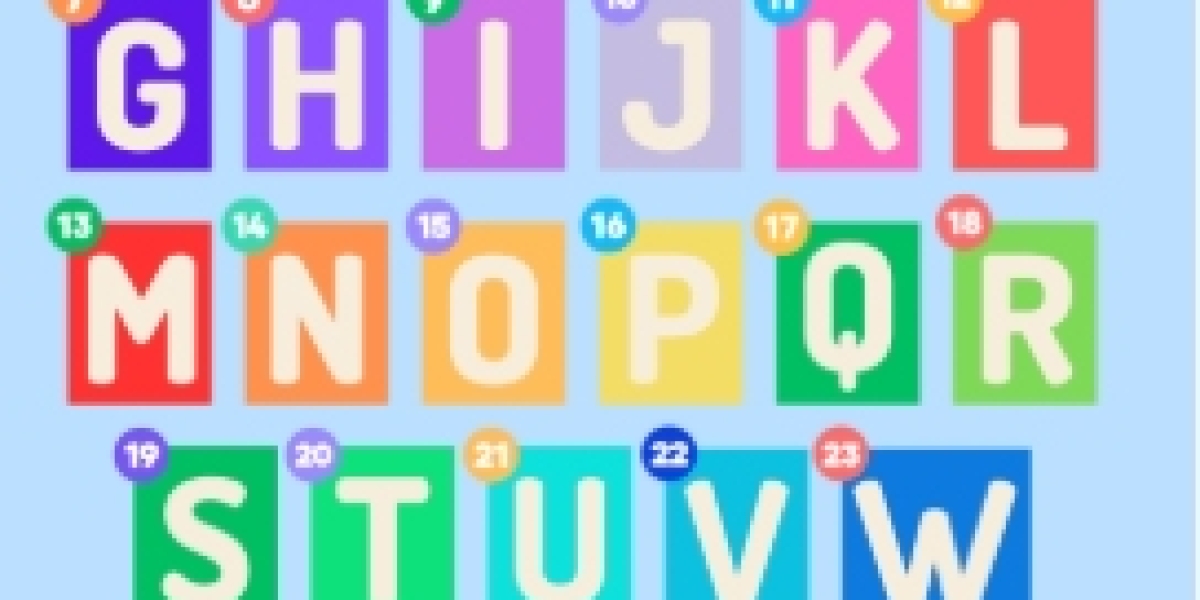

Learning the ABC alphabets is one of the first important steps in a child’s educational journey. The alphabet introduces children to the basic symbols used in written English and provides the foundation for reading, writing, spelling, vocabulary development, and communication. Before children can confidently read stories or write sentences, they need to recognize letters, understand their names and shapes, explore their sounds, and learn how individual letters work together.
The English alphabet contains 26 letters, beginning with A and ending with Z. Each letter has uppercase and lowercase forms and can be found in countless words used in everyday life. Introducing alphabet learning through songs, books, pictures, games, puzzles, tracing activities, and real-world examples can make the learning experience more interesting and memorable.
What Are ABC Alphabets?
ABC Alphabets is a collection of 26 letters used to represent written English. These letters are arranged in a specific sequence from A to Z. Each letter has a distinct name, shape, and role in forming words.
For example:
A — a
B — b
C — c
D — d
E — e
The larger forms are called uppercase or capital letters, while the smaller forms are called lowercase letters. Children gradually learn that uppercase and lowercase versions represent the same letters.
Alphabet learning is more than simply memorizing the order of A to Z. Children need to recognize individual letters, distinguish similar-looking symbols, learn their names, explore common sounds, and eventually understand how letters combine to form meaningful words.
Learning the Alphabet from A to Z
Connecting each letter with a familiar object, animal, food, or activity can make alphabet learning easier. Pictures can strengthen these connections by giving children something recognizable to associate with each symbol.
A simple A-to-Z learning guide includes:
A for Apple
B for Ball
C for Cat
D for Dog
E for Elephant
F for Fish
G for Goat
H for Hat
I for Ice cream
J for Juice
K for Kite
L for Lion
M for Mango
N for Nest
O for Orange
P for Pencil
Q for Queen
R for Rabbit
S for Sun
T for Tree
U for Umbrella
V for Van
W for Watermelon
X for Xylophone
Y for Yo-yo
Z for Zebra
These examples can be presented using alphabet posters, flashcards, storybooks, worksheets, or classroom displays. When children repeatedly see a letter together with a familiar word, they can begin developing stronger associations.
Why Learning the Alphabet Is Important
Alphabet knowledge provides an important foundation for early literacy. Children generally need to recognize letters before they can understand how written words are constructed.
Learning letters also supports other developmental skills. Visual recognition helps children notice differences between shapes. Sequencing letters teaches them about order. Tracing and writing provide opportunities to develop fine motor coordination and hand control.
Alphabet activities can also strengthen memory and concentration. When children repeatedly identify, pronounce, arrange, and write letters, they receive multiple opportunities to reinforce what they have learned.
Most importantly, alphabet knowledge gives children a starting point for exploring books, words, signs, and other forms of written communication.
Uppercase and Lowercase Letters
Children need to become familiar with both uppercase and lowercase letters because both forms appear frequently in written English.
Uppercase letters are commonly used at the beginning of sentences and for names and other proper nouns. Lowercase letters appear throughout most ordinary words.
Children can practice matching pairs such as:
A — a
B — b
C — c
D — d
E — e
F — f
G — g
H — h
Matching games can make this activity more engaging. Parents can place uppercase and lowercase cards on a table and ask children to find the correct pairs.
Storybooks can provide additional practice. While reading, adults can ask children to identify uppercase letters at the beginning of sentences or find familiar lowercase letters within words.
Learning Letter Names and Sounds
Recognizing the name of a letter is an important first step, but children also benefit from learning the sounds associated with letters. This helps connect written language with spoken language and supports later phonics development.
For example, B can be introduced through words such as “ball,” “book,” and “banana.” The letter M can be associated with “mango,” “milk,” and “moon.”
Children can listen for the beginning sounds in familiar words and identify which letter represents them. As their knowledge develops, they can begin combining individual sounds to read simple words.
English pronunciation can be complex, and letters may represent different sounds depending on the word. Therefore, letter-sound learning should be introduced gradually and reinforced through appropriate examples.
Learning Through Alphabet Songs
Alphabet songs are a familiar and enjoyable way for children to practice the sequence of letters. Repetition helps make the order from A to Z easier to remember.
Parents and teachers can point to letters on an alphabet chart while singing. This allows children to connect what they hear with what they see.
Movement can also be incorporated into alphabet songs. Children can clap, point, march, or use simple gestures while practicing. Combining music and movement can make repetition more engaging.
Alphabet Books and Picture Learning
Alphabet books can introduce letters through colorful illustrations and simple vocabulary. A page might show a large letter C, a picture of a cat, and the word “cat.”
Adults can encourage children to participate by asking simple questions:
“What letter do you see?”
“What picture is on this page?”
“Can you find another word that begins with this letter?”
Picture-based learning can be particularly helpful because it gives children a visual connection between abstract letters and familiar objects.
Repeated reading of alphabet books can also introduce new vocabulary while reinforcing letter recognition.
Tracing and Writing ABC Alphabets
Recognizing a letter and writing it are different skills. A child may know that a particular symbol is “B” but still need practice forming the letter correctly.
Tracing is often a useful introduction to writing. Children can follow dotted outlines before attempting to copy letters independently.
A variety of materials can be used for writing practice, including pencils, crayons, markers, whiteboards, chalkboards, and reusable tracing boards. Children can begin with individual letters and later practice writing sequences such as A-B-C.
Writing activities can eventually include simple words. Adults should allow children enough time to develop pencil control and coordination rather than expecting perfect handwriting immediately.
Fun Alphabet Games
Games can turn alphabet practice into an enjoyable activity. An alphabet hunt is a simple example. Adults can select a letter and ask children to find it in books, magazines, packaging, signs, or around the classroom.
Alphabet cards can also be used for sequencing. Children can arrange shuffled cards from A to Z or identify which letter is missing from a sequence.
Matching games can help children connect uppercase and lowercase forms. Picture matching can connect letters with familiar vocabulary. For example, children can match D with a dog, F with a fish, and L with a lion.
Letter puzzles and building blocks can provide additional hands-on practice.
Learning Letters Through Everyday Activities
Alphabet learning does not need to happen only during formal lessons. Children encounter written letters in many everyday environments.
Parents can point out letters on food packaging, menus, calendars, signs, toys, clothing labels, and storybooks. During a shopping trip, children can look for familiar letters on product packages.
A child’s own name can also be a useful starting point. Parents can show children the letters in their names and explain that these same letters appear in other words.
These activities help children understand that letters are not only classroom symbols but also practical tools used throughout daily life.
Moving from Letters to Simple Words
As children become comfortable recognizing letters and exploring their sounds, they can begin combining letters to create simple words.
For example:
C + A + T = CAT
Other simple words include dog, hat, sun, map, pen, and bed.
Word-building activities demonstrate that letters have specific positions within words. Changing one letter can create a new word. For example, changing the first letter in “cat” can produce “bat.”
These activities help children move from alphabet recognition toward early reading and spelling.
Alphabet Activities for Different Learning Styles
Children learn in different ways, so using a variety of activities can be beneficial. Some children enjoy visual materials, while others respond more strongly to music, movement, writing, or hands-on activities.
Visual learners may enjoy alphabet charts, books, flashcards, and picture cards. Children who enjoy movement can participate in alphabet hunts and physical games. Those who prefer hands-on activities can work with magnetic letters, puzzles, blocks, and matching cards.
Using different methods provides children with several opportunities to practice the same information.
Supporting Children During Alphabet Learning
Every child develops alphabet skills at a different pace. Some children may quickly recognize most letters, while others may need additional repetition and guidance.
Parents and teachers can make learning more comfortable by keeping activities short, regular, and engaging. A few minutes of focused practice can be more manageable than a long lesson.
Positive encouragement can also help. Children should understand that mistakes are a normal part of learning. Adults can provide gentle corrections and encourage children to try again.
If a particular activity is not effective, another approach can be introduced. For example, a child who does not enjoy worksheets might respond positively to alphabet songs, puzzles, games, or picture cards.
The Role of Parents and Teachers
Parents and teachers play important roles in helping children develop alphabet knowledge. Teachers can provide structured classroom activities, while parents can reinforce learning at home.
Reading together is one of the simplest ways to provide regular exposure to letters and words. Adults can point to letters, pronounce them clearly, and ask children to identify familiar symbols.
Teachers can use alphabet charts, group activities, writing exercises, storytelling, games, and classroom displays to reinforce learning.
Consistency between home and school can give children additional opportunities to practice and remember new information.
Preparing for Reading and Writing
Alphabet knowledge prepares children for the next stages of literacy. Once they can recognize letters and understand some common sounds, they can begin blending sounds, identifying simple words, and developing early spelling skills.
Writing can also progress gradually from individual letters to short words, sentences, and eventually longer pieces of writing.
The alphabet therefore represents the starting point for a much broader journey in language development. Every new letter children learn gives them another tool for understanding and communicating through written language.
Conclusion
ABC Alphabets are the building blocks of written English. Learning the 26 letters from A to Z helps children develop important skills related to reading, writing, spelling, vocabulary, and communication.
Uppercase and lowercase recognition, letter sounds, tracing, handwriting, songs, books, flashcards, puzzles, games, and everyday activities can all contribute to effective alphabet learning. Connecting letters with familiar objects and simple words can make lessons easier to understand and remember.
Children learn at different speeds, so patience, repetition, and encouragement are essential. With supportive guidance and regular practice, children can gradually become confident in recognizing, writing, and using letters.
The journey from A to Z is more than memorizing a sequence. It is an introduction to written communication and an important foundation for future literacy. By making alphabet learning positive, interactive, and age appropriate, parents and teachers can help children develop skills that will support them throughout their educational journey.