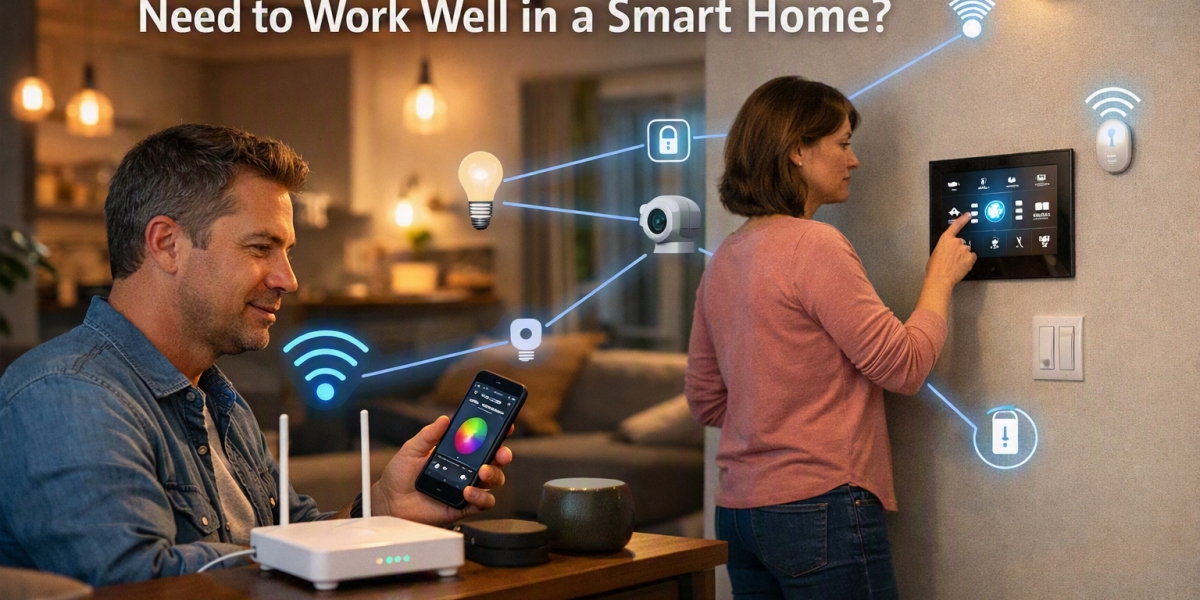

Home automation depends on a stable network to help connected devices communicate with each other. Lights, smart locks, sensors, cameras, thermostats, speakers, and other devices may need to send and receive information through a home network. A weak or unstable connection can cause delays, missed commands, or devices going offline. Understanding how the network works can help homeowners plan a more reliable smart home setup.
Why Does a Network Matter?
A home automation system may connect many devices at the same time. When you use a mobile app to turn on a light, for example, the command needs to travel through the network to reach the smart device. Sensors may also send information back to the control system.
The network does not always need very high internet speed. In many cases, stability, coverage, and the number of connected devices are more important. A reliable local network can help devices communicate without unnecessary delays.
Wi-Fi for Smart Home Devices
Wi-Fi is one of the most common network options for smart home devices. It is easy to use because many homes already have a wireless router. Smart TVs, speakers, cameras, appliances, and other devices can connect through Wi-Fi.
The quality of the Wi-Fi signal is important. A device placed far from the router may have a weak connection. Thick walls, floors, metal objects, and other electronic equipment can also affect wireless signals.
For larger homes, additional access points or a mesh Wi-Fi system can help provide better coverage.
Wired Network Connections
Some smart home devices can use Ethernet cables instead of Wi-Fi. Wired connections can provide a stable link and are useful for devices that need consistent communication.
For example, network equipment, entertainment systems, control equipment, and some security devices may benefit from a wired connection. Ethernet can also reduce the number of devices competing for wireless bandwidth.
A combination of wired and wireless connections is often practical for homes with many connected devices.
What About Internet Speed?
Internet speed is useful, but it is not the only factor that affects a smart home network. Many basic automation commands use very little data. Turning a light on or checking a door sensor does not require the same bandwidth as streaming high-quality video.
Security cameras and video doorbells can use more bandwidth because they send video data. If several cameras are running at the same time, the network may need more capacity.
The required internet speed therefore depends on the number and type of connected devices.
Router Quality and Network Capacity
The router is an important part of the home network. A basic router may work well for a small number of devices, but a larger smart home can have dozens of connected products.
A suitable router should be able to handle multiple connections without frequent interruptions. Modern Wi-Fi standards can also provide better performance and capacity than older wireless technology.
It is useful to check the router's device capacity before adding many smart products to the network.
Keeping Smart Devices Connected
Good network placement can improve reliability. The router or access points should be positioned where they can provide suitable coverage across the home.
It is also helpful to keep router software and device firmware updated. Updates can improve security, stability, and compatibility.
For important devices such as smart locks or security equipment, homeowners should also consider what happens if the internet connection stops. Some systems can continue basic functions over the local network even when internet access is unavailable.
A Practical Network Setup
A practical smart home network can include a reliable router, suitable Wi-Fi coverage, and wired Ethernet connections where they make sense. Devices that require more bandwidth can be planned separately from simple sensors and controls.
For larger properties, a mesh system or multiple access points may provide better coverage than relying on one router. The final setup should consider the home's size, construction, number of devices, and expected network usage.
Choosing the right network from the beginning can make Home automation more reliable and easier to manage as more connected devices are added.