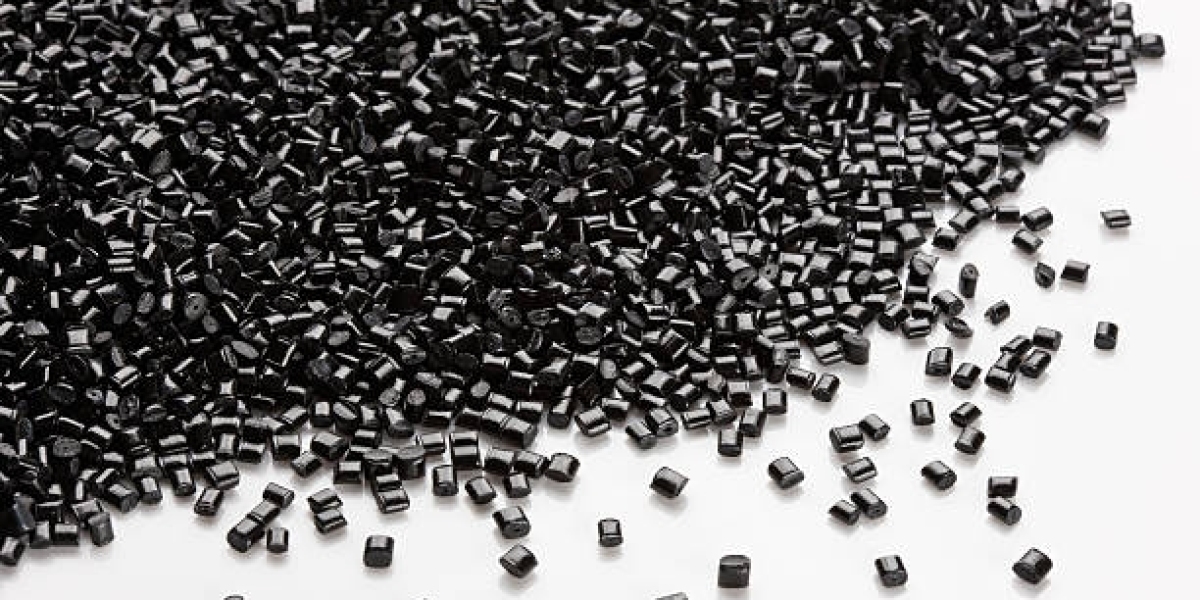

Ethylene is a basic petrochemical used to manufacture plastics, fibres, solvents, coatings, packaging materials, and numerous industrial chemicals. Although consumers rarely encounter ethylene in its raw gaseous form, its derivatives are present throughout everyday products and infrastructure. Asia-Pacific’s extensive manufacturing base, growing consumer industries, and integrated refining and petrochemical capacity make ethylene an important link across regional production chains.
A recent study by MarkNtel Advisors highlights that the Asia-Pacific ethylene sector was valued at USD 62 billion in 2025. It is projected to grow from USD 66 billion in 2026 to USD 76 billion by 2032, registering a CAGR of 2.38% during 2026–2032. Packaging, construction, automotive manufacturing, textiles, consumer goods, and chemical production are supporting this sustained expansion.
Polyethylene Creates the Largest Downstream Connection
A substantial share of ethylene is converted into polyethylene, a versatile plastic used in films, bottles, containers, pipes, household products, industrial packaging, and protective materials. Different polyethylene grades provide varied combinations of rigidity, flexibility, chemical resistance, and processing performance.
High-density polyethylene is suited to rigid containers, pipes, closures, and durable products, while low-density and linear low-density polyethylene are extensively used in films, flexible packaging, liners, and agricultural applications. According to the supplied Asia-Pacific ethylene study, high-density polyethylene held the leading application share in 2026, demonstrating the close relationship between ethylene production and polymer demand.
Packaging Demand Supports Regional Consumption
Packaging manufacturers depend on ethylene-derived materials for food pouches, bottles, protective films, shipping covers, industrial sacks, and consumer-product containers. Population growth, organised retail, food distribution, e-commerce, and changing consumption patterns are increasing requirements for lightweight and adaptable packaging formats across Asia-Pacific.
Polyethylene offers moisture resistance, sealing performance, flexibility, and compatibility with high-volume manufacturing processes. These characteristics allow packaging producers to design formats for food, beverages, healthcare products, personal care, electronics, and industrial goods. However, changing regulations and waste-management priorities are encouraging manufacturers to examine thinner structures, recycled content, improved collection, and more resource-efficient packaging designs.
Construction and Automotive Production Broaden Applications
Ethylene derivatives are also used in pipes, insulation, flooring, adhesives, coatings, cables, building membranes, and other construction materials. Continued investment in housing, transportation networks, commercial properties, manufacturing facilities, and urban utilities creates recurring demand across these downstream applications.
Automotive producers use ethylene-based plastics and chemicals in interior components, electrical insulation, fluid systems, protective coatings, adhesives, and lightweight parts. These materials can help manufacturers balance durability, design flexibility, corrosion resistance, and vehicle weight. Consequently, regional automotive output and infrastructure investment influence ethylene consumption beyond the packaging industry.
Feedstocks Shape Production Economics
Ethylene is generally produced by cracking hydrocarbon feedstocks such as naphtha or ethane at high temperatures. The International Energy Agency defines ethylene as an olefin produced through the high-temperature cracking of naphtha or other petroleum fractions, illustrating its close connection with refining, natural gas processing, and energy prices.
Feedstock selection affects production cost, product yield, energy consumption, and the range of co-products generated. Many Asian facilities rely heavily on naphtha because it is widely available through regional refinery networks. Integrated complexes can combine refining, ethylene production, and downstream polymer manufacturing, improving material flows and allowing producers to use multiple outputs within the same industrial location.
Energy Efficiency Becomes a Central Priority
Conventional ethylene production requires substantial heat, making energy management an important operational consideration. The US Department of Energy identifies advanced reactors, electrification, efficient process heating, and improved separation technologies as potential methods of reducing energy intensity across chemical and petrochemical manufacturing.
Producers are exploring advanced furnace designs, heat recovery, digital process optimisation, improved catalysts, and alternative production routes. The Department of Energy has also supported more energy-efficient ethylene production methods, reflecting wider efforts to reduce processing requirements while maintaining commercial output.
Environmental Controls Influence Plant Modernisation
Ethylene facilities must manage emissions, heat-exchange systems, storage operations, and process waste. The US Environmental Protection Agency maintains specific standards for ethylene manufacturing units, including requirements covering emissions-control practices and supporting operations.
Compliance encourages investment in leak detection, monitoring technology, maintenance systems, and improved process control. Producers must also respond to changing expectations related to plastic waste, recycling, feedstock efficiency, and industrial emissions.
Regional Manufacturing Supports Long-Term Relevance
Asia-Pacific ethylene demand is closely connected with the region’s manufacturing depth and extensive downstream chemical industries. Packaging provides a major consumption base, while construction, automotive production, textiles, and consumer goods broaden its applications.
Future development will depend on feedstock costs, plant utilisation, downstream investment, energy efficiency, environmental compliance, and recycling trends. As regional industries continue producing essential materials and manufactured goods, ethylene will remain a fundamental building block connecting petrochemical facilities with everyday products.