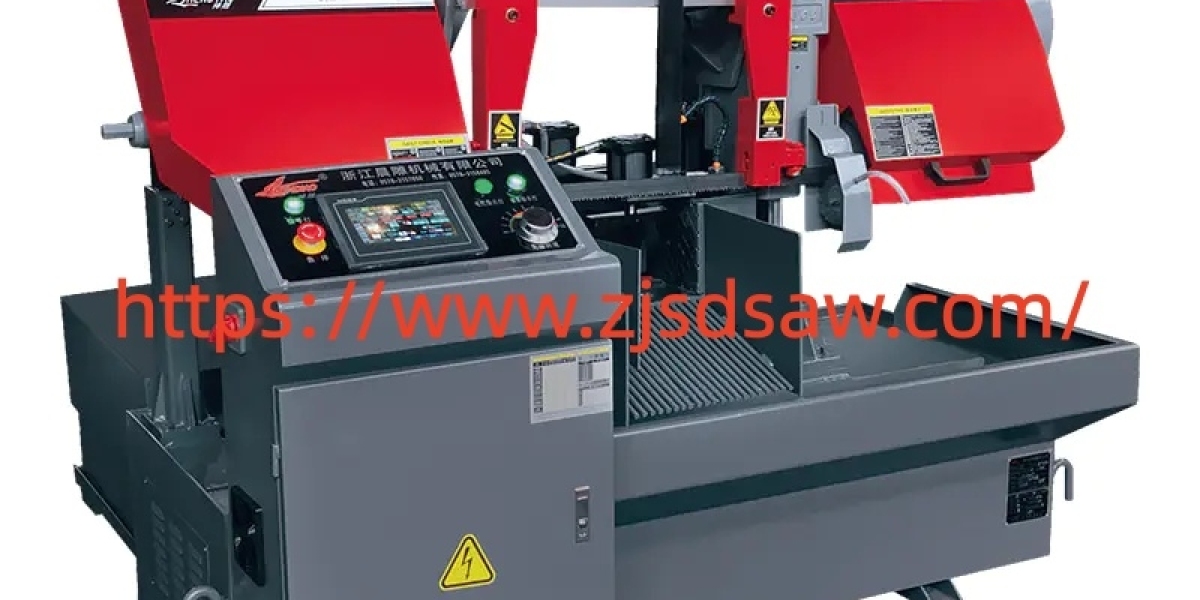

Horizontal Metal Cutting Band Saw Machine selection should start with the actual requirements of a workshop rather than a single specification on a product sheet. Buyers need to consider material type, workpiece dimensions, required finished lengths, daily workload, blade configuration, feeding arrangements, clamping methods, control functions, coolant requirements, and available floor space. A practical evaluation connects equipment characteristics with real production conditions, helping manufacturers discuss suitable configurations based on the materials and components they process regularly.
Material type is an important starting point. Carbon steel, stainless steel, aluminum, copper, and alloy materials can have different processing characteristics. Hardness, thickness, profile shape, and cross section may affect blade selection and operating parameters. Buyers should prepare a list of the materials they handle most often, together with their usual dimensions. Providing this information to a supplier can make the equipment discussion more specific and reduce reliance on general catalog information.
Workpiece dimensions should also be examined carefully. A published maximum capacity does not necessarily represent the sizes used during everyday production. Buyers should identify common diameters, widths, heights, lengths, and weights. The loading method should correspond with these dimensions, while longer components may require additional material support. Understanding the normal size range can help manufacturers discuss a suitable configuration for the intended workflow.
Blade selection deserves particular attention. Tooth pitch, blade geometry, material, tension, and operating conditions all influence the way a blade interacts with a workpiece. Different materials may require different blade arrangements. Buyers should ask which consumables are suitable for their regular workload and how replacement procedures are handled. Keeping appropriate blades available can also help production teams respond more easily when processing schedules change.
Feeding arrangements can have a direct effect on daily workflow. When repeated components are produced throughout a shift, operators may need to reposition stock many times. An automated feeding system can reduce certain manual handling steps and organize the sequence between cycles. Buyers should compare feed distance, positioning method, material support, loading procedure, and compatibility with their usual stock dimensions.
Clamping is closely connected with positioning stability. A suitable holding arrangement can help keep material in place during processing. Buyers should review the holding range, adjustment method, pressure control, and access around the loading area. Hydraulic clamping can provide controlled holding force for suitable applications. Additional support structures may also be useful when longer or heavier workpieces are involved.
The control system is another consideration that should not be overlooked. Production environments often process different materials and dimensions throughout the week. A clear interface with adjustable parameters can make these changes easier to manage. Buyers can ask how operators set feed movement, cutting parameters, quantities, positioning information, and other routine functions. For recurring jobs, programmable settings may reduce repeated manual adjustments.
Coolant management also deserves attention. Cutting metal generates heat and chips, so appropriate fluid delivery can support stable working conditions. Buyers should examine tank capacity, pump arrangement, nozzle positioning, filtration, and cleaning procedures. Chip removal is another practical issue because accumulated material can affect housekeeping and maintenance. A convenient cleaning arrangement can help operators include these tasks within normal production routines.
Workshop layout should be considered before ordering equipment. Floor area, electrical requirements, loading access, unloading space, lifting arrangements, ventilation, and operator clearance can influence installation. Buyers should measure the available area and consider how raw material will move toward the equipment and how finished components will leave the working zone. This creates a more complete picture of how the equipment will fit into the existing production environment.
Maintenance planning is equally important. Buyers should ask about blade replacement, guide inspection, lubrication, hydraulic components, coolant cleaning, electrical checks, and commonly replaced parts. Technical documentation and operator training can also support routine equipment care. A clear maintenance schedule allows production teams to plan inspection and servicing without unnecessarily interrupting normal work.
Production volume can further influence equipment selection. A workshop handling occasional custom orders may have different requirements from a facility processing repeated batches every day. Buyers should estimate normal daily quantities and consider loading, positioning, processing, unloading, cleaning, and changeover time together. This approach gives a more realistic view of how the equipment will fit into the production cycle.
Chendiao provides industrial sawing equipment for manufacturers working with different material handling and production requirements. When discussing a suitable configuration, buyers can provide information about materials, dimensions, production volume, finished component requirements, and workshop conditions. These details allow equipment selection to focus on practical applications rather than isolated specifications.
For manufacturers planning to update their processing equipment, reviewing blade requirements, feeding arrangements, clamping structure, control functions, coolant systems, installation conditions, and maintenance needs together can create a clearer purchasing process. Product information and available industrial sawing solutions can be reviewed at https://www.zjsdsaw.com/ while considering how each configuration fits the intended production environment. Chendiao can then be included naturally in the equipment discussion according to the material, workflow, and workshop requirements.