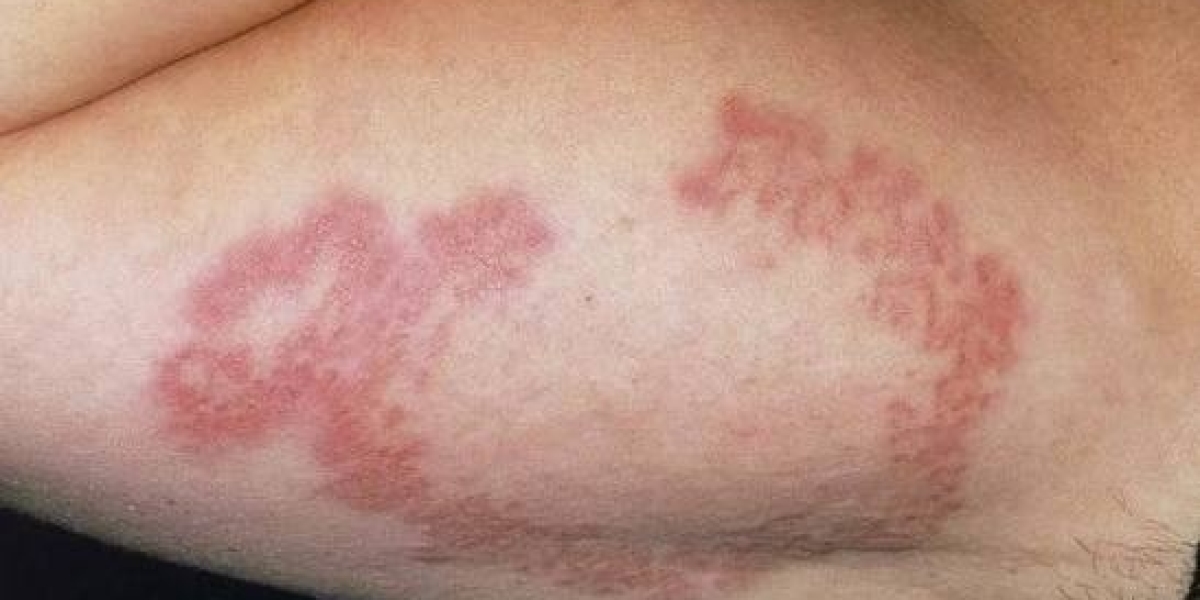

Granuloma annulare is a relatively common inflammatory skin condition that can be frustrating to manage. It often appears as ring-shaped or circular bumps, particularly on the hands, feet, arms, or legs. In many cases, granuloma annulare is harmless and may disappear on its own, but some people experience persistent or recurring lesions.
Because conventional treatments do not always provide immediate results, many people explore natural approaches, including herbal products and Natural Skin Supplements. The growing interest in natural skincare has also created a large market for capsules, powders, herbal blends, creams, and other products marketed for skin health.
But how do you decide what is worth buying? Are herbal remedies proven to treat granuloma annulare? What ingredients should you look for, and which claims should make you cautious?
This practical buyer’s guide explains what to know before purchasing herbal remedies or supplements for granuloma annulare, while keeping realistic expectations about what natural products can and cannot do.
What Is Granuloma Annulare?
Granuloma annulare is an inflammatory skin condition characterized by small, firm bumps that can form a ring or circular pattern. Localized granuloma annulare is the most common form and typically affects a limited area of skin.
The exact cause is not fully understood. Researchers believe that an immune or inflammatory response in the skin may play a role. Granuloma annulare is not generally considered contagious, and it is not the same thing as a fungal infection, despite the ring-like appearance of some lesions.
There are several forms of the condition, including localized, generalized, subcutaneous, and perforating granuloma annulare. The appearance and extent of the lesions can vary significantly from one person to another.
Before buying an herbal product, it is therefore important to confirm that the skin changes have actually been diagnosed as granuloma annulare. Conditions such as ringworm and other inflammatory skin disorders can sometimes look similar but require different treatment.
Can Herbal Remedies Treat Granuloma Annulare?
This is the most important question for any buyer.
At present, there is no strong clinical evidence showing that a particular herb, dietary supplement, or “natural cure” reliably eliminates granuloma annulare. Some natural ingredients may support general skin health or have antioxidant or anti-inflammatory properties, but that does not automatically mean they can treat granuloma annulare.
This distinction is especially important when evaluating Supplements for Granuloma Annulare.
A product can be marketed for “skin inflammation,” “immune balance,” or “healthy skin” without having been clinically tested specifically for granuloma annulare. Marketing language should never be confused with medical evidence.
Natural products may be considered as complementary measures, but they should not automatically replace a dermatologist's assessment or an established treatment plan.
Why Are Natural Skin Supplements Popular?
Interest in Natural Skin Supplements has increased because many consumers prefer products containing recognizable plant ingredients, vitamins, minerals, and botanical extracts.
Some supplements are marketed around the idea that skin appearance is influenced by nutrition, oxidative stress, inflammation, and overall wellness. A balanced diet certainly contributes to normal skin function, and correcting a genuine nutritional deficiency can be important.
However, taking more supplements is not necessarily better.
For most people, supplements should complement—not substitute for—a nutritious diet and appropriate medical care. In addition, herbal products can interact with medications or cause side effects, particularly when concentrated extracts are used.
Ingredients Commonly Found in Herbal Skin Products
When shopping for a natural product, you may encounter a long list of herbs and nutrients. Some have been studied for general inflammatory or antioxidant activity, although evidence specifically relating to granuloma annulare may be limited or absent.
Turmeric and Curcumin
Turmeric contains curcumin and related compounds that have been investigated for their anti-inflammatory and antioxidant properties.
Curcumin supplements are widely marketed for general inflammation. However, evidence that oral curcumin can specifically resolve granuloma annulare is insufficient.
If considering a turmeric or curcumin supplement, check the dosage and formulation carefully. Concentrated products can have effects on the body beyond ordinary dietary turmeric and may not be suitable for everyone.
Green Tea
Green tea contains polyphenols, including epigallocatechin gallate (EGCG), which have antioxidant properties. Green tea extracts are therefore frequently included in products marketed for skin wellness.
Drinking green tea as part of a normal diet is different from taking concentrated green tea extract. Extracts may contain substantially higher concentrations of active compounds and can carry additional safety considerations.
There is no established green-tea supplement regimen for treating granuloma annulare.
Aloe Vera
Aloe vera is commonly used in topical skincare products because of its moisturizing and soothing properties. It may be useful for general skin comfort in some circumstances.
However, aloe vera should not be assumed to treat the underlying inflammation responsible for granuloma annulare.
If you use a topical herbal product, test a small area first and discontinue it if you develop burning, redness, itching, or another reaction.
Ginger
Ginger contains bioactive compounds that have been studied for various biological effects, including anti-inflammatory activity.
Nevertheless, laboratory or general anti-inflammatory findings do not establish ginger as a treatment for granuloma annulare. It is better viewed as a dietary ingredient than as a proven remedy for this particular skin condition.
Omega-3 Fatty Acids
Although not an herb, omega-3 fatty acids are frequently included in natural skin-health formulas. They are found naturally in foods such as oily fish, walnuts, and certain seeds.
Omega-3 fatty acids have been investigated for their role in inflammation and overall health. However, evidence should be considered carefully before using them specifically for granuloma annulare.
If you take medication that affects blood clotting, discuss supplements with a healthcare professional before starting them.
What to Look for When Buying a Supplement
The supplement market contains products with very different levels of quality. If you decide to purchase a natural product, consider the following factors.
1. A Complete Ingredient List
Avoid products that do not clearly disclose their ingredients and quantities.
A label should tell you what ingredients are present and, where applicable, how much of each active ingredient is included. Proprietary blends that provide only a combined amount can make it difficult to determine how much of each ingredient you are actually consuming.
2. Transparent Health Claims
Be skeptical of products promising a guaranteed cure.
Statements such as “completely removes granuloma annulare,” “works for everyone,” or “permanent cure in days” are warning signs. Granuloma annulare can have a variable natural course, and a product cannot responsibly guarantee an outcome for every individual.
3. Quality and Manufacturing Information
Look for manufacturers that provide clear information about their production standards, quality testing, and contact details.
Independent testing or certification can provide additional reassurance about product identity and quality, although certification does not prove that a supplement is effective for granuloma annulare.
4. Appropriate Dosages
More is not necessarily better.
High doses of concentrated botanical extracts can increase the risk of adverse effects. Follow the manufacturer's directions unless your healthcare professional recommends otherwise.
5. Avoid “Secret” Formulas
If a company refuses to disclose its ingredients or doses, there is little reason to take the risk.
A reputable supplement company should be transparent about what its product contains.
What About Herbal Creams?
Topical herbal creams can be appealing because they are applied directly to the affected skin. Ingredients such as aloe vera, chamomile, calendula, or plant oils may be found in natural skincare products.
However, “natural” does not automatically mean “safe for irritated skin.”
Essential oils and concentrated botanical extracts can cause contact dermatitis in some people. Applying multiple products at once can also make it difficult to identify which ingredient caused a reaction.
If you are considering a topical herbal product, keep the routine simple. Avoid applying it to broken skin unless the product is specifically intended for that purpose, and stop using it if the skin becomes more irritated.
Choosing the Best Treatment for Granuloma Annulare
Searching online for the Best Treatment for Granuloma Annulare can produce hundreds of conflicting recommendations. In reality, the appropriate treatment depends on factors such as the type of granuloma annulare, how widespread it is, how long it has been present, symptoms, and individual medical circumstances.
Some cases require no treatment because granuloma annulare may resolve spontaneously. When treatment is appropriate, dermatologists may consider options such as topical or injected corticosteroids, phototherapy, or other prescription treatments depending on the clinical situation.
This does not mean natural approaches have no place in a person's overall wellness routine. Rather, it means they should be considered separately from treatments that have been evaluated specifically for the condition.
The Role of Diet and General Skin Health
A supplement cannot compensate for a consistently poor diet.
A balanced eating pattern containing vegetables, fruits, whole grains, legumes, healthy fats, and adequate protein provides nutrients needed for normal body functions, including skin maintenance.
Staying adequately hydrated and avoiding excessive alcohol consumption can also support general health.
If you suspect a nutritional deficiency, testing and professional guidance are preferable to taking large amounts of supplements without knowing whether you need them.
There is also no established “granuloma annulare diet” that has been proven to cure the condition. Be cautious about restrictive diets promoted online as guaranteed solutions.
Should You Visit a Natural Herbs Clinic?
A Natural Herbs Clinic may be appealing if you prefer botanical or complementary approaches. If you choose this route, look for a qualified healthcare professional who understands both conventional dermatology and complementary medicine.
A responsible practitioner should ask about:
· Your diagnosis
· Current medications
· Existing medical conditions
· Allergies
· Previous treatments
· The exact supplements you are considering
Be cautious if someone tells you to stop prescribed medication immediately or claims that conventional dermatology cannot help you.
The safest complementary approach is one in which your healthcare providers know what products you are taking.
Important Supplement Safety Considerations
Herbal products can affect the body, and “natural” does not mean risk-free.
Some herbs may interact with prescription medicines, alter blood clotting, affect blood pressure or blood sugar, or cause gastrointestinal problems. Certain concentrated extracts can also be problematic for people with specific medical conditions.
Pregnant or breastfeeding individuals, children, older adults taking multiple medications, and people with chronic medical conditions should be particularly careful about starting supplements without professional advice.
If you experience swelling, difficulty breathing, widespread rash, severe skin irritation, or another serious reaction after using a product, seek appropriate medical attention promptly.
Common Buyer Mistakes to Avoid
Buying Based on Testimonials Alone
Personal testimonials can be persuasive, but one person's experience does not demonstrate that a product caused their improvement. Granuloma annulare can change naturally over time, and people may simultaneously use several treatments.
Confusing “Anti-Inflammatory” With “Treatment”
An ingredient may demonstrate anti-inflammatory activity in laboratory research without being an effective treatment for granuloma annulare in humans.
Using Too Many Products
Combining several herbal creams and supplements can increase the chance of side effects and make it difficult to determine what is helping or causing problems.
Ignoring the Diagnosis
A ring-shaped rash is not automatically granuloma annulare. If the diagnosis is uncertain, professional evaluation should come before experimenting with multiple remedies.
Expecting Fast Results
Even established dermatological treatments may require time. A supplement advertised as producing dramatic improvement within a few days deserves careful scrutiny.
A Practical Buying Checklist
Before purchasing a product marketed for granuloma annulare, ask yourself:
Is my diagnosis confirmed?
If not, seek an appropriate evaluation.
Does the product clearly list its ingredients and amounts?
Avoid products with unclear formulations.
Are the claims realistic?
A supplement should not promise a guaranteed cure.
Has the product been tested for quality?
Look for transparent manufacturing and testing information.
Could it interact with my medication?
Ask a healthcare professional or pharmacist when unsure.
Am I using it alongside—not instead of—appropriate medical care?
Complementary products should not delay necessary treatment.
Am I monitoring my skin?
Take occasional photographs under similar lighting so you can objectively track changes rather than relying solely on memory.
Final Thoughts
Herbal remedies and Natural Skin Supplements can be attractive options for people looking for a more natural approach to skin wellness. Ingredients such as turmeric, green tea, aloe vera, and ginger have properties that make them interesting subjects of scientific research, but that should not be confused with proof that they cure granuloma annulare.
The most practical approach is to start with an accurate diagnosis, understand the severity and type of the condition, and discuss treatment options with a qualified healthcare professional. If you decide to use a supplement, choose products with transparent labels, realistic claims, appropriate dosages, and credible quality controls.
When researching Supplements for Granuloma Annulare, remember that marketing terminology can make a product sound more clinically proven than it actually is. Similarly, searching for the Best Treatment for Granuloma Annulare should lead you toward evidence-based information rather than guaranteed-cure claims.
A reputable Natural Herbs Clinic or complementary-health practitioner can potentially help you incorporate botanical products into a broader wellness plan, provided they take your existing treatments and health circumstances into account.
Ultimately, the goal of natural skincare should not simply be to find the strongest-sounding herbal formula. It should be to make informed choices that support overall skin health while avoiding unnecessary risks. For persistent, widespread, painful, or changing lesions, professional dermatological advice remains an important part of responsible care.