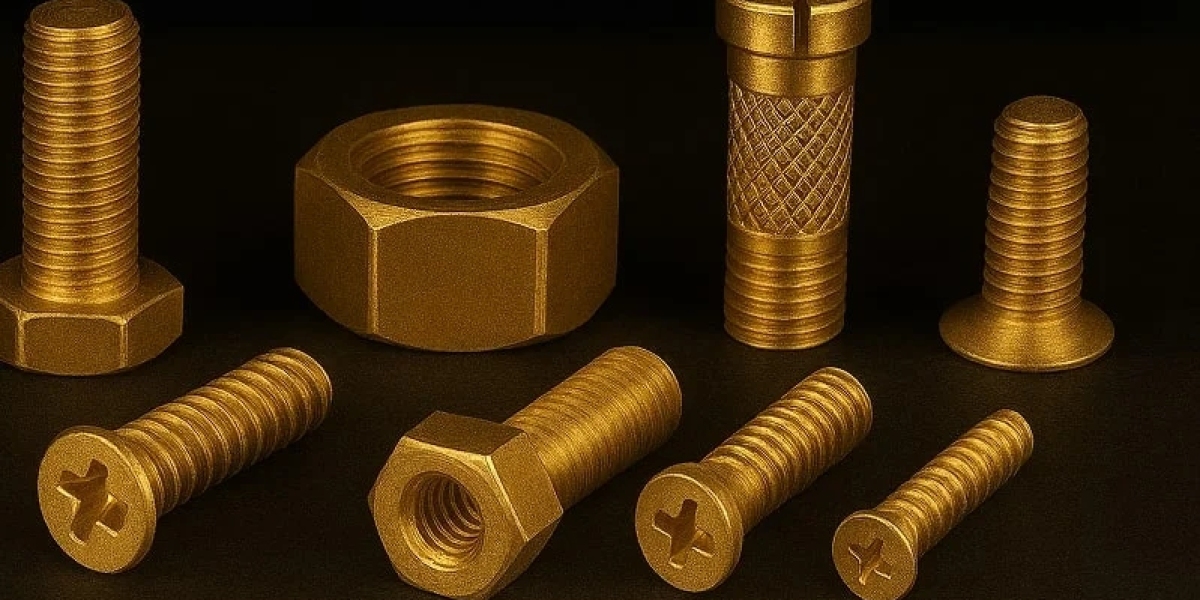

Engineering components need to perform reliably in real working conditions. Whether a part is used in machinery, electrical equipment, plumbing systems, or industrial assemblies, the material needs to offer a practical balance of strength, durability, machinability, and resistance to wear. Brass has remained a popular choice because it provides several of these qualities in one versatile material.
A Brass Extrusion Rod is produced by forcing heated brass through a shaped die to create a consistent and accurate profile. This manufacturing method helps produce rods with a uniform structure and dependable dimensions, making them suitable for machining into a wide range of engineering components. The combination of material properties and controlled production makes brass rods useful for both standard and application-specific parts.
Good Machinability for Precision Components
One of the main reasons engineers use brass is its excellent machinability. Brass can generally be cut, drilled, turned, threaded, and milled with relative ease. This makes it suitable for manufacturing components that require precise dimensions and detailed features.
For manufacturers, good machinability can also make production more straightforward. Components such as bushes, connectors, fittings, pins, valves, and other machined parts can be produced with clean and consistent results when the appropriate brass grade and machining process are selected.
Reliable Strength and Durability
Engineering components often need to handle repeated movement, mechanical loads, and everyday wear. Brass offers a useful combination of strength and durability for many applications. While the exact performance depends on the alloy and component design, properly selected brass can provide dependable service in demanding environments.
Its durability also makes it suitable for components that need to maintain their shape and function over extended periods. This is particularly useful in machinery and industrial equipment where replacing small components frequently can affect maintenance schedules.
Strong Resistance to Corrosion
Exposure to moisture, air, and certain working environments can cause many metals to deteriorate over time. Brass naturally offers good resistance to corrosion, which is one reason it is widely used in plumbing, marine, electrical, and industrial applications.
This resistance can help engineering components maintain their functional surfaces for longer. For applications where parts may come into contact with water or humid conditions, brass can provide a practical material option when its specific corrosion performance is suitable for the environment.
Useful Electrical Properties
Brass is also valued for its electrical conductivity. Although it does not conduct electricity as efficiently as copper, its combination of conductivity, strength, machinability, and durability makes it useful for various electrical and electronic components.
Terminals, connectors, contact parts, and other conductive components can benefit from brass because the material can be machined into accurate shapes while providing suitable electrical performance for many applications.
Consistent Dimensions for Manufacturing
Extrusion provides an efficient way to create long lengths of metal with consistent cross-sectional shapes. For engineering manufacturers, dimensional consistency is important because components often need to fit accurately with other parts.
A consistent rod profile can make subsequent machining more predictable. This is especially valuable when producing batches of components where repeatability matters. Maintaining appropriate tolerances throughout production helps support reliable assembly and overall component performance.
Suitable for Different Engineering Applications
Brass can be used across a wide range of engineering environments. Its balance of mechanical properties, corrosion resistance, machinability, and appearance makes it suitable for components used in industrial machinery, electrical systems, automotive applications, plumbing equipment, and general engineering.
The specific brass alloy should always be selected according to the component's operating conditions. Factors such as mechanical loading, exposure to moisture, temperature, machining requirements, and electrical performance can all influence material selection.
A Practical Material for Modern Engineering
Choosing a material for an engineering component is rarely about one property alone. The material needs to work well with the manufacturing process while providing the performance required during service. Brass offers a practical combination of characteristics that can make this balance easier to achieve.
Its machinability supports accurate component production, while its strength, corrosion resistance, dimensional consistency, and electrical properties broaden its usefulness. For these reasons, brass continues to have an important role in the production of reliable engineering components across many industries.