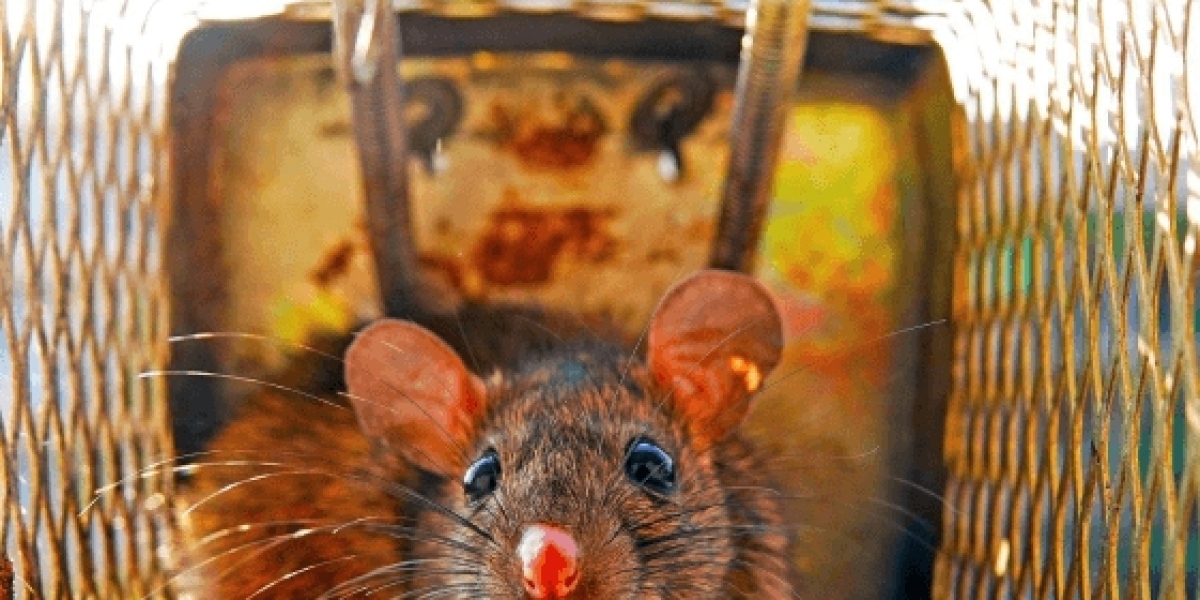

Scratching sounds in the roof, droppings around storage areas, damaged food packaging or unusual smells can all indicate rodent activity. Rat pest control Perth services can assist homeowners and businesses in identifying the source of these problems and taking practical steps to reduce further activity. Rat Pest Control Perth provides professional solutions for properties experiencing unwanted rodent activity, with an emphasis on inspection, targeted treatment and long-term prevention. Understanding why rodents enter buildings can help property owners respond before a minor issue becomes more difficult to manage.
Why Rodents Enter Properties
Rats and mice are constantly searching for food, water and suitable shelter. Residential properties can provide all three, particularly when food is left uncovered, rubbish is not properly contained or outdoor areas offer plenty of hiding places. Commercial buildings can also attract rodents because of food storage, waste areas, warehouses, kitchens and frequent deliveries.
Rodents can enter through surprisingly small gaps. Openings around doors, damaged vents, roof edges, plumbing penetrations and cracks in walls can provide convenient access. Once inside, they may move through roof cavities, wall spaces, cupboards, garages and other areas where they can remain hidden.
Recognising Early Warning Signs
Seeing a rodent is not always the first indication of a problem. In many cases, property owners notice evidence before they see the animal itself. Small droppings near food storage areas, gnaw marks on packaging, shredded materials and unusual noises can all provide useful clues.
Scratching sounds are often noticed at night because many rodents are more active during darker and quieter periods. However, sounds from a roof or wall cavity can have different causes, so it is important not to assume the source without appropriate inspection.
Greasy marks along walls or repeated activity around particular areas may also indicate regular rodent movement. Identifying these signs early can make it easier to determine where further investigation is required.
Inspecting Possible Entry Points
A thorough property inspection should consider both internal and external areas. Doors should be checked for gaps underneath or around damaged seals. Windows, vents and service openings should also be examined.
Roof areas deserve particular attention because they can provide warmth, shelter and protection from weather conditions. Trees or dense vegetation close to a building may provide rodents with access to rooflines.
Inside the property, kitchens, pantries, garages and storage rooms should be inspected for signs of activity. If droppings or gnaw marks are repeatedly found in one area, it may indicate that rodents are using a particular pathway.
Reducing Food and Shelter Sources
Good housekeeping can play an important role in rodent prevention. Food should be kept in secure containers rather than open packets. Pet food should also be stored appropriately, and spills or crumbs should be cleaned promptly.
Rubbish bins should remain closed, while outdoor waste should not be allowed to accumulate around the property. In commercial premises, waste management is particularly important because food-related businesses can provide rodents with regular access to organic material.
Outdoor areas should also be maintained. Excessive vegetation, unused boxes, garden waste, timber and general clutter can provide shelter. Keeping these areas organised makes it easier to identify new signs of activity.
Professional Rodent Management
When signs continue despite preventative measures, professional assistance may be useful. Rat pest control Morley can provide property-focused assistance for identifying rodent activity and assessing possible access routes.
A professional inspection can look beyond the location where a rodent was seen. It may consider roof spaces, garages, kitchens, storage areas and external sections of the property. This broader approach helps determine whether there is an isolated issue or evidence of more widespread activity.
Treatment should be selected according to the circumstances of the property. Different buildings have different layouts, access points and potential sources of food and shelter. A tailored approach can therefore be more appropriate than applying the same method to every situation.
Why Prevention Matters After Treatment
Removing visible rodents does not necessarily solve the underlying problem. If gaps remain open or food sources continue to be available, further activity may occur.
Once treatment has been completed, property owners should continue checking vulnerable areas. Damaged seals, gaps around utility openings and roof access points should be repaired where appropriate. Garden vegetation should also be maintained so that rodents have fewer concealed routes close to the building.
Regular cleaning and organised storage can make future inspections easier. When signs are noticed early, property owners can respond before activity becomes more established.
Safety Considerations
Rodent control products should always be handled carefully and according to their product instructions. Particular care is important in properties where children, pets or other animals may be present.
Dead rodents and contaminated materials should also be handled with appropriate precautions. Areas affected by droppings or other rodent waste may require careful cleaning and disinfection. When a carcass is located in an inaccessible roof or wall cavity, professional assistance may be more suitable than attempting to reach it without the right equipment.
Creating a Long-Term Prevention Plan
Rodent prevention should be viewed as an ongoing part of property maintenance. Regularly checking external walls, doors, roof edges, vents and storage areas can help identify problems before they become significant.
Property owners can also reduce risks by securing food, managing waste correctly, maintaining gardens and removing unnecessary clutter. Businesses can introduce regular inspections around kitchens, storage areas, loading zones and rubbish facilities.
If scratching noises, droppings, gnaw marks or nesting materials continue to appear, it is worth investigating the cause rather than simply cleaning the visible signs. Professional rat pest control Perth can help property owners assess ongoing activity, identify possible entry points and develop practical measures to support long-term rodent prevention.