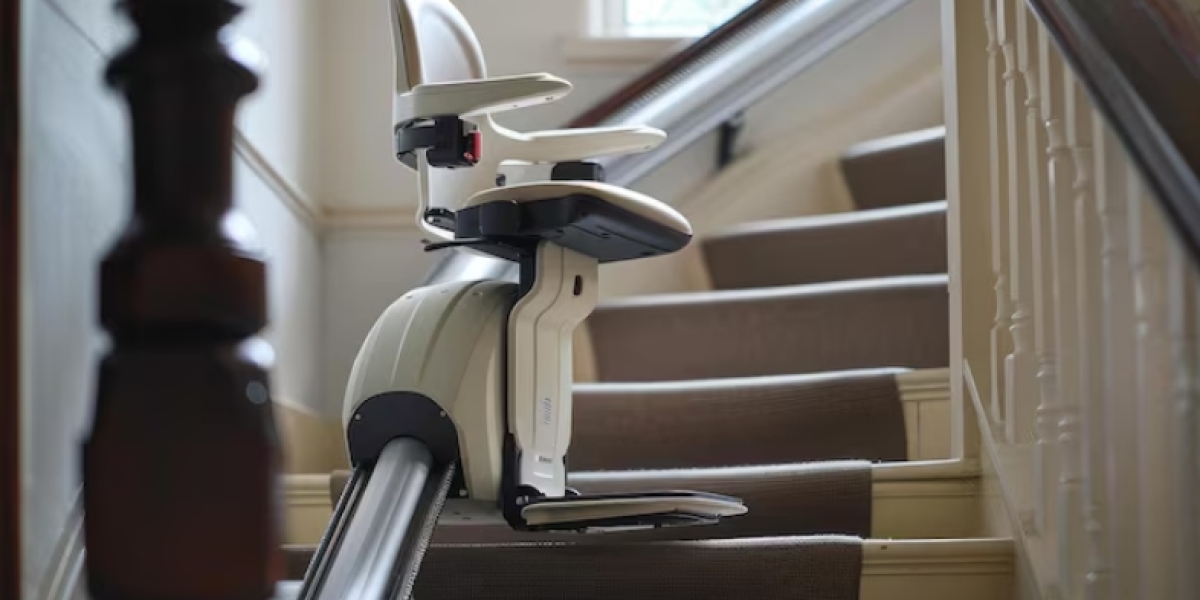

Mobility around the home can become more challenging when using stairs is difficult, uncomfortable, or unsafe. For people with limited mobility, older adults, or anyone recovering from an injury, moving between floors may require extra effort and caution. Stairlifts provide a practical way to make stairs easier to navigate while helping people remain comfortable and independent in their own homes.
Modern stairlifts are designed to transport a person smoothly between different levels of a property. They typically consist of a motorized chair attached to a rail that follows the shape of the staircase. With simple controls and safety features, stairlifts can make everyday movement around the home more convenient.
Understanding Stairlifts
Stairlifts are motorized mobility systems installed along a staircase. A user sits in a specially designed seat and operates the lift using a control. The chair moves along a rail, carrying the passenger safely up or down the stairs.
There are several types of stairlifts available, including models designed for straight staircases and others made for curved or more complex stair layouts. Straight stairlifts are generally installed on staircases without bends or intermediate landings. Curved models can be customized to follow staircases with turns, curves, or multiple levels.
The goal of stairlifts is not simply to make stairs easier to use. They can also provide greater confidence for individuals who may feel uncertain about climbing stairs independently.
Why Stair Lifts Can Improve Home Accessibility
Stairs are one of the most common areas of concern for people experiencing mobility challenges. Even when someone can walk independently on level surfaces, climbing stairs may require greater strength, balance, and coordination.
Stair lifts can reduce the physical demands associated with moving between floors. Instead of stepping up or down every stair, the user can sit comfortably and allow the motorized system to complete the journey.
For many households, stair lifts can also support continued use of the entire home. A person who avoids an upstairs bedroom, bathroom, or living area because of difficult stairs may regain access to those spaces after a suitable lift is installed.
This can be especially valuable for people who want to remain in a familiar home rather than moving solely because stairs have become difficult to manage.
Important Features to Consider
When selecting a stairlift, it is important to consider more than the appearance of the equipment. Safety, comfort, staircase design, and ease of operation should all be considered.
A comfortable seat can make a significant difference, particularly for people who may spend several minutes traveling between floors. Armrests can provide additional support, while a seatbelt can help keep the passenger securely positioned during travel.
Controls should also be straightforward. Many stair lifts use controls located on the armrest, allowing users to start, stop, or change direction without complicated procedures.
Safety sensors are another important feature. These systems can detect obstacles or unusual conditions and help stop the lift when necessary. Swivel seats can also make getting on and off the lift easier by allowing the passenger to turn toward the landing.
Straight and Curved Staircases
The shape of the staircase plays an important role in determining which type of lift is appropriate.
Straight stairlifts are commonly used when a staircase follows one uninterrupted path from one floor to another. Their installation is generally simpler because the rail does not need to follow bends or curves.
Curved stairlifts are designed for more complicated staircases. They can be built around corners, landings, and changes in direction. Because every curved staircase can be different, these systems may require more customized planning.
Before choosing a model, homeowners should have the staircase properly assessed. Measurements and layout considerations help ensure that the selected system is suitable for the available space.
Comfort and Ease of Use
A stairlift should be comfortable enough for regular daily use. The design of the seat, footrest, armrests, and controls can influence the overall experience.
Some users may prefer a wider or more supportive seat, while others may need a design that accommodates limited bending or flexibility. A powered swivel seat may also be useful for someone who finds it difficult to turn while standing.
The controls should be accessible and easy to understand. Simple operation allows users to travel independently without requiring assistance every time they need to change floors.
Foldable components can also be useful when the staircase is shared by several people. When not in use, certain parts of the lift can be folded away to leave more walking space.
Safety Considerations
Safety should remain a major priority when considering stair lifts. Users should understand how the equipment operates and follow the manufacturer's instructions.
Seatbelts should be used as directed, and passengers should remain properly seated while the lift is moving. It is also important to keep the staircase and the lift's travel path clear of objects.
Regular maintenance can help identify wear, unusual noises, or other potential issues before they become more serious. Professional inspections and servicing may be recommended depending on the equipment and frequency of use.
Households should also consider emergency procedures. Battery-powered systems may continue operating during certain power interruptions, but users should understand the specific capabilities of their model.
Installation and Maintenance
Proper installation is essential for reliable operation. A qualified installer can evaluate the staircase, determine the appropriate rail configuration, and position the equipment correctly.
After installation, routine care can help maintain performance. Keeping the rail and surrounding area clean, following recommended servicing schedules, and reporting unusual sounds or movement can all contribute to dependable operation.
Maintenance requirements vary between models. Homeowners should follow the manufacturer's recommendations rather than attempting complicated repairs themselves.
A professional can also check components such as batteries, drive systems, safety sensors, and mechanical connections when servicing is required.
Benefits for Families and Caregivers
Stair lifts can benefit more than the person who uses them. Family members and caregivers may feel more comfortable knowing that a loved one has a safer way to travel between floors.
They can also reduce the need for someone else to physically assist a person on the stairs. This can provide greater independence for the user while reducing the physical demands placed on caregivers.
For families planning to remain in their current home for many years, stairlifts may be considered as part of a broader accessibility strategy. Other modifications, such as grab bars, improved lighting, and accessible bathroom features, can complement a stairlift and create a more supportive environment.
Choosing the Right Stairlift
The right stairlift depends on the user's mobility needs, staircase design, available space, comfort preferences, and budget. There is no single model that works equally well for every household.
Before making a decision, homeowners should consider how frequently the lift will be used, who will use it, whether the staircase is straight or curved, and which features are most important.
It can also be helpful to think about future needs. A system that is comfortable and easy to operate today may continue providing value as mobility requirements change.
Conclusion
Stairlifts can provide a practical solution for people who find traditional stair climbing difficult or unsafe. By allowing users to travel while seated, these systems can improve accessibility, support independence, and make multiple levels of a home easier to access.
When evaluating stair lifts, homeowners should consider staircase design, comfort, safety features, installation requirements, and long-term maintenance. Taking time to choose an appropriate system can help ensure that the equipment fits both the home and the user's needs.
With the right planning and professional installation, stair lifts can become an important part of a more accessible home. They can help people continue using the spaces they value while providing a convenient alternative to repeatedly climbing difficult stairs.