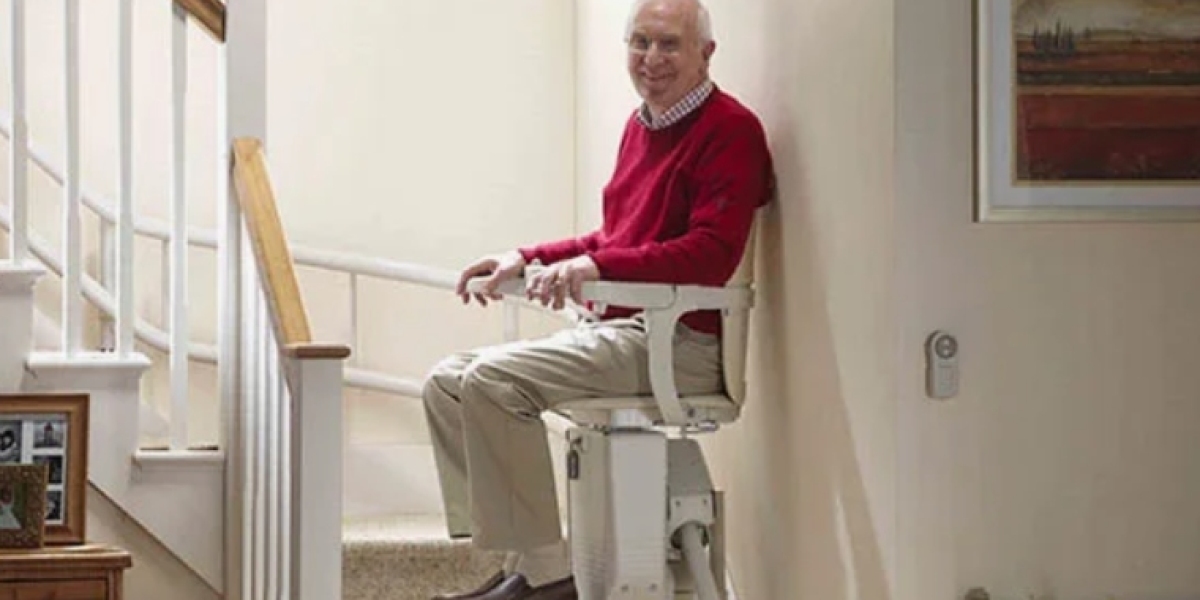

Stairs can become difficult to use when mobility changes, especially for older adults or people living with limited movement. Fortunately, homeowners do not always need to move to a single-story home or make major structural changes. A stair lift can provide a practical way to make different levels of a home easier to access.
Two options that are often considered are a stair lift for narrow staircase layouts and a curved stair lift for stairways with bends, turns, or multiple sections. Choosing between them depends on the design of the staircase, available space, mobility needs, and the layout of the home.
What Is a Stair Lift?
A stair lift is a motorized accessibility device designed to transport a person between levels of a home. It generally consists of a chair, a rail attached along the staircase, a motor, and safety controls. The user sits in the chair and operates the lift using a simple control.
Stair lifts are available in different designs because staircases are not all the same. A straight staircase may work with a standard straight model, while stairs with curves or landings may require a customized system.
For homes where space is limited, selecting the right model is especially important.
Choosing a Stair Lift for Narrow Staircase
A stair lift for narrow staircase designs is made with limited stairway width and available floor space in mind. Narrow staircases can create concerns about whether a chair and rail system will leave enough room for other people to use the stairs.
Modern stair lifts can be designed with space-saving features. Depending on the model, these may include a slim seat, folding armrests, a folding footrest, and a compact rail system. When the lift is not being used, some components can fold away to help preserve usable space.
Before choosing a lift, the staircase should be professionally measured. Width is only one consideration. The position of doors, handrails, walls, radiators, steps, and nearby furniture can also affect installation.
Why Stair Width Matters
The width of a staircase affects both installation and everyday use. A lift should provide a comfortable ride without creating unnecessary obstruction.
For a narrow staircase, homeowners should consider:
- The total width of the stairs
- The width of the lift when in use
- Whether the seat and footrest fold
- Available space at the top and bottom
- Whether other people need to use the stairs
- The location of doors and hallways
- The user's height, weight, and mobility needs
A professional assessment can help determine whether a particular stair lift can fit safely and comfortably.
Benefits of a Stair Lift for a Narrow Staircase
One of the main benefits of installing a stair lift in a narrow staircase is improved accessibility without completely remodeling the home. A well-designed system can make it easier to move between floors while allowing the staircase to remain part of the home's normal layout.
A stair lift can also provide greater independence. Instead of relying on another person to help with every trip upstairs or downstairs, the user may be able to operate the lift independently.
Many models also include safety features such as seat belts, swivel seats, obstruction sensors, emergency stop controls, and battery backup systems. Features vary between manufacturers, so it is useful to compare specifications before making a decision.
What Is a Curved Stair Lift?
A curved stair lift is designed for staircases that do not follow one simple straight line. These staircases may have curves, corners, intermediate landings, or changes in direction.
Unlike a standard straight lift, a curved system follows the shape of the staircase. The rail is typically customized to the individual stairway, allowing the chair to travel around bends and between different sections.
Curved stair lifts can therefore be useful in homes with more complicated staircase layouts.
When Is a Curved Stair Lift Needed?
A curved stair lift may be considered when a staircase has:
- One or more bends
- Multiple flights of stairs
- A half landing
- A quarter landing
- A spiral or unusually shaped section
- Changes in direction
- Several connected stair sections
A straight stair lift generally travels along one straight rail. If the staircase changes direction, a customized curved system may provide a more suitable solution.
Because every curved staircase is different, installation usually requires an assessment and measurements of the complete staircase.
Advantages of a Curved Stair Lift
The biggest advantage of a curved stair lift is flexibility. Instead of requiring a separate lift for every straight section, a customized rail can potentially follow the staircase from one level to another.
This can be particularly helpful in larger homes with complicated stair layouts. A curved system can also be designed around certain architectural features, depending on the staircase and available installation space.
Another advantage is that the lift can be tailored to the home. Rail positioning, seat options, and other features may be selected according to the staircase and user's needs.
Comparing Narrow Staircase and Curved Stair Lift Options
Although a stair lift for narrow staircase and a curved stair lift address different challenges, both are designed to improve accessibility.
A narrow-staircase solution focuses heavily on space efficiency. The goal is to provide a comfortable and safe lift while working within restricted stair width.
A curved stair lift focuses on the shape and direction of the staircase. Its rail is designed to follow bends, corners, or multiple flights.
In some homes, these requirements can overlap. For example, a staircase may be both narrow and curved. In that situation, a professional assessment becomes especially valuable because the installer needs to consider both the available width and the complex staircase layout.
Important Features to Consider
When comparing stair lift options, look beyond the basic lift mechanism. Comfort and safety are also important.
Consider features such as:
Swivel seat: A swivel seat can make getting on and off the lift easier by allowing the user to turn toward the landing.
Folding components: Folding seats and footrests can help preserve space when the lift is parked.
Safety belt: A secure seat belt helps keep the passenger safely positioned during travel.
Obstacle sensors: These can help the lift detect objects on the stairs and stop when necessary.
Battery backup: Battery-powered operation can allow the lift to continue working during a temporary power interruption, depending on the model.
Remote controls: Remote controls can be useful when more than one person uses the lift or when the chair needs to be called to another floor.
Professional Installation Matters
Stair lift installation should not be treated as a simple do-it-yourself project. A professional installer can assess the staircase, take accurate measurements, identify potential obstacles, and determine which type of system is appropriate.
For a narrow staircase, this assessment helps confirm that the lift will fit without creating unnecessary obstruction. For a curved staircase, accurate measurements are essential because the rail needs to follow the staircase correctly.
A professional can also explain maintenance requirements, warranty coverage, safety features, and operating instructions.
Making Your Home More Accessible
A stair lift can be an important part of a broader home accessibility plan. Instead of changing homes because stairs have become difficult, homeowners may be able to adapt the existing property to better meet changing mobility needs.
Whether you need a stair lift for narrow staircase layouts or a curved stair lift for a multi-directional staircase, the right solution depends on the individual home and user.
Start by evaluating the staircase, measuring the available space, and identifying the user's specific mobility requirements. Then compare suitable lift designs, safety features, installation requirements, and ongoing service options.
With careful planning and professional installation, a stair lift can make everyday movement between floors more convenient and help people remain comfortable and independent in their own homes.