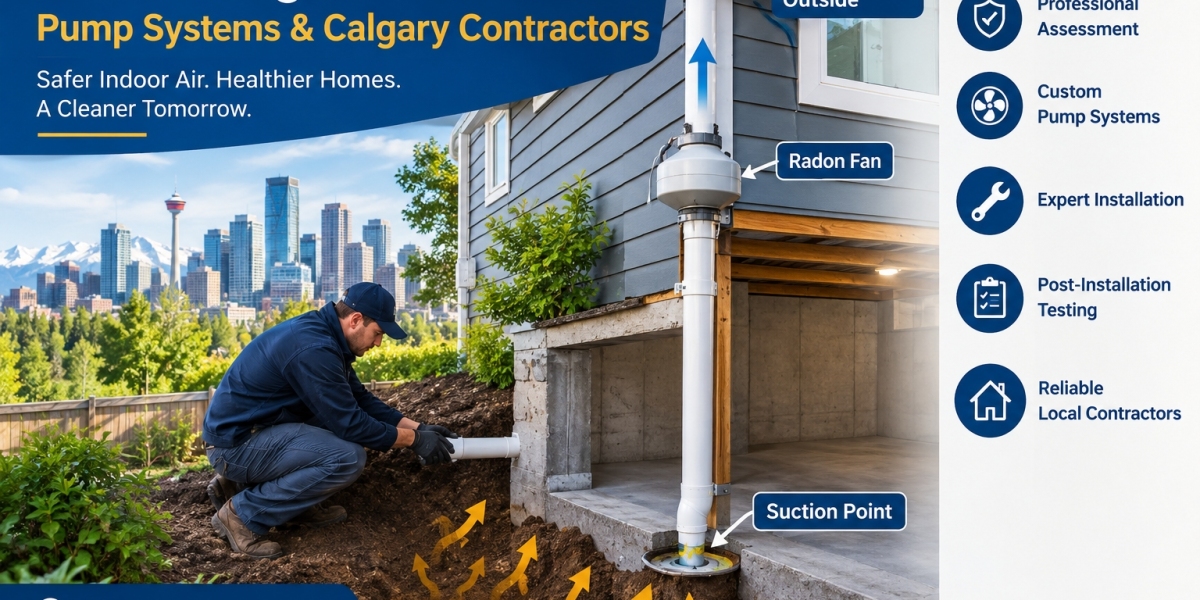

Radon is a naturally occurring radioactive gas that can enter homes and buildings through cracks, joints, drains, sump pits, and other openings connected to the ground. Because it is invisible and has no smell or taste, testing is the only reliable way to determine whether elevated levels are present indoors. Once a problem is identified, the right mitigation approach can help reduce the concentration and improve indoor air quality.
For Calgary homeowners, Radon mitigation services can provide a practical solution when testing shows elevated radon levels. A professional assessment can identify how radon is entering a property and determine which reduction method is appropriate. Rather than relying on a one-size-fits-all approach, qualified professionals consider the building's foundation, soil conditions, ventilation, and existing drainage systems before recommending an installation.
Why Radon Levels Can Be a Concern
Radon comes from the natural breakdown of uranium in soil and rock. It can move through the ground and enter buildings, particularly those with basements or areas that are in direct contact with the soil.
Small openings in a foundation can provide pathways for the gas to enter. Even properties that appear well sealed can have enough gaps or pressure differences to allow radon to accumulate indoors.
The important point is that radon levels can vary significantly between properties. Two houses located on the same street may have very different readings because of differences in construction, foundation design, soil, ventilation, and air pressure.
How Radon Reduction Works
The goal of a mitigation system is to reduce the amount of radon entering a building and safely direct it away from occupied areas.
A typical system may involve:
- Identifying entry points around the foundation
- Creating a pathway for soil gas to move outside
- Installing sealed piping where necessary
- Using a fan to move radon-containing air
- Sealing selected cracks and openings
- Testing the property after installation
- Monitoring radon levels over time
The exact setup depends on the building. Some homes may require a relatively straightforward system, while others may need multiple suction points or additional sealing and ventilation measures.
Understanding Radon Pump Systems
A mitigation fan is an important part of many active systems. It creates negative pressure beneath or around the building foundation, helping draw soil gas away from the indoor environment before it can accumulate.
The piping generally carries the extracted gas through a safe discharge point outside the building. Proper placement and installation are important because the system needs to operate effectively without creating new problems for the property.
A professional should also consider fan noise, electrical requirements, pipe routing, weather exposure, and long-term accessibility when designing the system.
What to Expect During a Professional Installation
The first step is generally an assessment of the property and its existing radon measurements. If testing has already been completed, those results can help determine the appropriate next step.
During an assessment, a professional may examine:
- Basement and crawl-space conditions
- Foundation cracks and construction joints
- Sump pits and floor drains
- Existing ventilation
- Soil and foundation characteristics
- Potential routes for piping
- Electrical requirements for the mitigation equipment
Once the system design is established, installation can involve drilling through the foundation, connecting extraction piping, installing a fan, sealing appropriate openings, and creating a suitable outdoor discharge point.
Afterward, follow-up testing is important. It helps determine whether the mitigation system has achieved the intended reduction and whether additional adjustments may be necessary.
Choosing the Right Professional in Calgary
Choosing an experienced professional is an important part of the process. Radon systems need to be designed for the individual property rather than installed according to a generic template.
When comparing companies, homeowners can ask about their experience with similar buildings, the testing process, system design, equipment warranties, post-installation testing, and maintenance requirements.
It is also useful to request a clear explanation of what is included in the quoted work. Understanding the installation process and expected maintenance can make it easier to compare different proposals.
Factors That Can Affect Installation Costs
The cost of a radon reduction system can vary depending on several factors. A smaller property with an accessible basement may require less work than a large home with multiple foundation levels.
Potential cost factors include:
- Size and design of the building
- Foundation type
- Number of suction points required
- Accessibility of the installation area
- Length and complexity of piping
- Electrical work
- Sealing requirements
- Fan and equipment specifications
- Follow-up testing
Homeowners should focus on the suitability of the system rather than simply choosing the lowest initial quote. A properly designed installation should account for the property's structure and provide a practical way to monitor performance.
Maintaining a Mitigation System
Once installed, a mitigation system should not simply be forgotten. Homeowners should periodically check that the system is operating as intended and pay attention to unusual fan sounds, visible pipe damage, or other changes.
Retesting radon levels is also useful. Building conditions can change over time, and periodic testing provides information about whether radon concentrations remain controlled.
If a system uses a fan, the equipment may eventually require maintenance or replacement. Keeping installation information and equipment specifications on file can make future servicing easier.
Working With a Calgary Radon Professional
For homeowners who need professional help with assessment, system design, installation, or follow-up testing, working with a radon contractor calgary residents can contact locally may simplify the process. A local professional can evaluate the property, explain the available options, and help develop an approach suited to the building's structure and radon conditions.
When arranging an assessment, homeowners should have previous test results available if possible. Sharing information about the basement, crawl space, renovations, or previous mitigation work can also help the professional understand the property before beginning the installation.
Final Thoughts
Radon mitigation is ultimately about understanding how the gas is entering a building and creating a controlled pathway to reduce indoor concentrations. Testing should come first, followed by a property-specific solution and appropriate follow-up measurements.
For Calgary homeowners, professional assessment and installation can make the process more straightforward while helping ensure that the system is designed around the actual characteristics of the property. With proper installation, monitoring, and maintenance, homeowners can take practical steps toward managing radon levels in their indoor environment.
For local service and professional assistance, you can visit the Calgary location at 265 21 Ave NE, Calgary, AB T2E 1S5. A properly selected radon pump system can provide an effective active approach for moving radon from beneath a building and safely venting it outdoors.