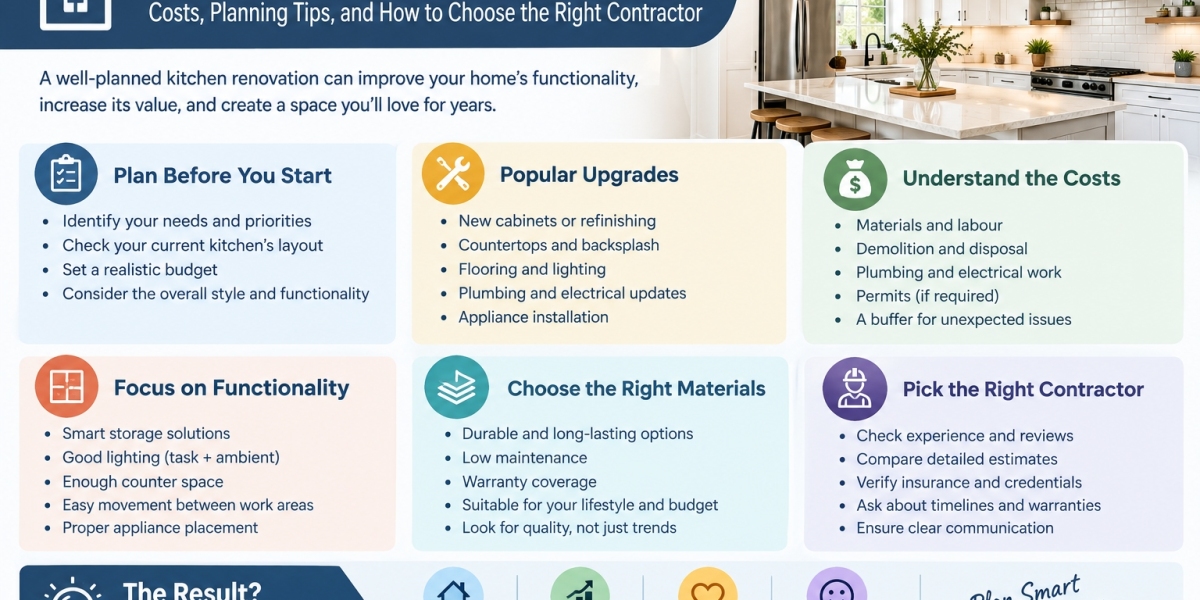

A kitchen is one of the busiest areas in any home. It is where meals are prepared, families gather, and guests often spend time. Because of this, even a few outdated cabinets, poor lighting, or limited counter space can make the entire home feel less comfortable. Before starting a project, it helps to understand what needs to change, how much work is involved, and how to plan everything properly.
For many homeowners, kitchen renovation is about more than making the room look modern. It can improve storage, functionality, lighting, layout, and overall comfort. A well-planned project starts with understanding your home's needs rather than simply choosing the latest design trends. Think about how you currently use the kitchen and what problems you would like the finished space to solve.
Start With a Clear Renovation Plan
Before contacting contractors or shopping for materials, make a basic plan. You do not need to know every detail, but having a clear idea of your priorities will make the process much easier.
Consider:
- What currently works well in the kitchen?
- Which areas cause the most frustration?
- Do you need more storage?
- Is the existing layout practical?
- Are the cabinets, flooring, or countertops worn out?
- Do you want a complete transformation or a smaller update?
Writing these points down gives you something practical to discuss when getting estimates.
Decide What You Want to Change
Not every kitchen needs to be completely rebuilt. Sometimes replacing cabinets and countertops can make a significant difference, while other homes may benefit from a new layout.
Common renovation work includes:
- Cabinet replacement or refinishing
- Countertop installation
- Backsplash installation
- Flooring upgrades
- Sink and faucet replacement
- Lighting improvements
- Appliance installation
- Painting and wall repairs
- Electrical and plumbing updates
- Changes to the kitchen layout
Knowing which improvements matter most can help you avoid spending money on features that do not provide much value or practical benefit.
Think About Function Before Appearance
A beautiful kitchen can still be frustrating if it is difficult to use. Before selecting colours, handles, or decorative finishes, think about how people move through the space.
For example, frequently used appliances should be positioned conveniently. Drawers and cabinets should be easy to access, and there should be enough counter space around the areas where food is prepared.
Good planning should consider:
- Storage: Make use of available cabinet and drawer space.
- Lighting: Combine general lighting with task lighting where needed.
- Counter space: Leave enough room for food preparation and everyday activities.
- Movement: Avoid creating unnecessary obstacles between major work areas.
- Appliances: Make sure appliances fit properly and have suitable connections.
These details may seem small, but they can have a major impact on everyday comfort.
Choose Materials Carefully
The materials you select will affect both the appearance and durability of the finished kitchen. It is tempting to choose products based entirely on appearance, but practical considerations matter too.
For cabinets, consider how frequently they will be used and how much storage they need to provide. Countertops should be selected based on durability, maintenance requirements, and your budget. Flooring should also be suitable for an area that experiences regular foot traffic, spills, and moisture.
When comparing materials, ask about:
- Durability
- Maintenance requirements
- Warranty coverage
- Installation requirements
- Expected lifespan
- Availability of replacement parts
A slightly more practical material can sometimes be a better long-term choice than the cheapest or most fashionable option.
Understand the Renovation Budget
One of the most common mistakes homeowners make is creating a budget without considering the entire project. The cost is not limited to cabinets and countertops. Labour, demolition, disposal, plumbing, electrical work, permits where required, delivery, and finishing work may also affect the final price.
It is wise to keep some room in your budget for unexpected issues. Older homes can sometimes reveal hidden problems once walls, flooring, or cabinets are removed.
A realistic budget should account for:
- Materials
- Labour
- Demolition and disposal
- Plumbing
- Electrical work
- Flooring
- Painting
- Fixtures and hardware
- Appliances
- Unexpected repairs
Having this conversation early can help prevent unpleasant financial surprises later.
Get Multiple Estimates
Once you have a general plan, speak with several professionals rather than accepting the first estimate you receive. Comparing estimates can help you understand what is included and whether different contractors have identified different requirements.
Do not automatically choose the lowest price. A very low estimate may leave out important work or use lower-quality materials.
When reviewing estimates, ask:
- What exactly is included?
- Which materials are included?
- Is demolition included?
- Who handles plumbing and electrical work?
- How long is the estimated project?
- What happens if unexpected work is discovered?
- Are permits required for any part of the project?
- What warranty is provided?
A detailed estimate is generally easier to understand than a single total price with very little explanation.
Check the Contractor Before Hiring
Your choice of contractor can have a major effect on the renovation experience. Before signing an agreement, take time to verify the company's experience and understand how they handle projects similar to yours.
Look for:
- Relevant renovation experience
- Clear written estimates
- References or examples of previous work
- Proper insurance and required credentials
- Professional communication
- A clear project timeline
- Written information about warranties
It is also important to discuss who will be responsible for coordinating different trades. A kitchen renovation may involve carpenters, electricians, plumbers, flooring professionals, painters, and other specialists.
Avoid Changing Everything Mid-Project
Changes during construction can increase costs and extend the timeline. While some adjustments are unavoidable, making major decisions after work has already started can create unnecessary complications.
Try to finalize important choices before construction begins, including:
- Cabinet style
- Countertop material
- Flooring
- Backsplash
- Hardware
- Lighting
- Appliances
- Paint colours
A clear plan allows the contractor to order materials and organize work more efficiently.
Understanding kitchen renovation cost
The final kitchen renovation cost depends on factors such as the size of the kitchen, materials selected, amount of structural work, labour requirements, and whether plumbing or electrical systems need to be changed. Instead of relying on a generic price, ask for a detailed estimate based on your actual kitchen and project requirements. This makes it easier to compare proposals and plan your budget realistically.
Make the Final Decision Carefully
A successful renovation is not simply about creating an attractive kitchen. It should produce a space that works well for your household, fits your budget, and provides lasting value. Take your time comparing plans, materials, estimates, and communication before making a final decision.
The right kitchen renovation contractor should be able to explain the work clearly, provide a detailed plan, communicate throughout the project, and understand the practical needs of your home. For homeowners in North York, professional renovation assistance is available at 311 Dudley Ave, North York, ON M2N 4X6.