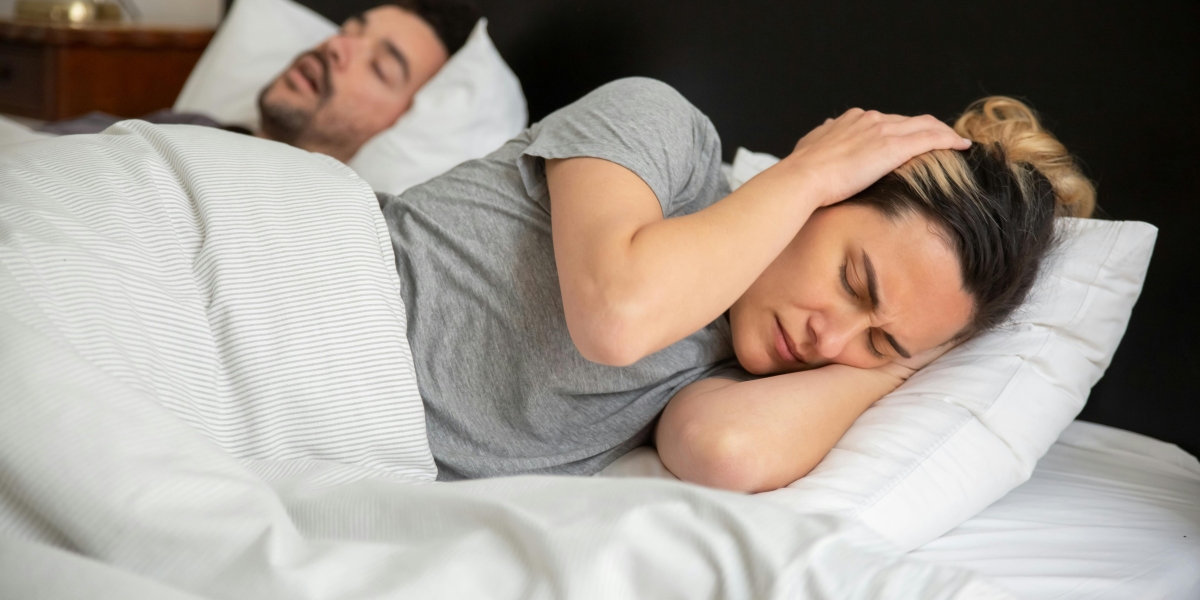

Sleep apnea is a sleep-related breathing disorder that can repeatedly interrupt normal breathing during the night. These interruptions may affect sleep quality and can contribute to symptoms such as loud snoring, morning headaches, dry mouth, daytime fatigue, and difficulty concentrating. Because sleep apnea can have different causes and levels of severity, proper evaluation is important before selecting a treatment approach.
For people searching for a Ventura sleep apnea dentist, a dental evaluation can be an important part of managing certain types of obstructive sleep apnea. Dental sleep medicine focuses on how the teeth, jaw, oral structures, and airway relate to nighttime breathing. Beach Cities Dental Group can evaluate your oral health and discuss whether an oral appliance may be appropriate as part of your sleep apnea treatment.
What Is Sleep Apnea?
Sleep apnea occurs when breathing repeatedly stops or becomes restricted while a person is asleep. The most common type is obstructive sleep apnea, which occurs when the upper airway becomes narrowed or blocked during sleep.
Central sleep apnea is different because it involves interruptions in the signals that control breathing. Since treatment varies depending on the type of sleep apnea, a proper diagnosis is essential.
A dental professional can provide an oral and jaw evaluation, but sleep apnea diagnosis and treatment may involve coordination with a physician or sleep specialist.
Common Signs of Sleep Apnea
Some people may not realize that their breathing is being interrupted during sleep. A partner or family member may notice loud snoring or pauses in breathing.
Possible symptoms include:
Loud or persistent snoring
Gasping or choking during sleep
Breathing pauses noticed by another person
Morning headaches
Dry mouth after waking
Daytime sleepiness
Difficulty concentrating
Restless sleep
Frequent nighttime awakenings
Irritability or changes in mood
These symptoms can have multiple causes, so they should not automatically be assumed to indicate sleep apnea.
What Does a Sleep Apnea Dentist Do?
A dentist who provides dental sleep medicine services evaluates oral structures that may be relevant to obstructive sleep apnea and oral appliance therapy.
The evaluation may include examining the teeth, gums, jaw position, bite, and other oral structures. The dentist may also review information from a sleep study or medical provider when available.
If an oral appliance is being considered, the dentist determines whether the patient's dental and oral condition can support this type of treatment.
The dentist's role is generally part of a broader healthcare approach rather than a replacement for medical sleep evaluation.
Oral Appliance Therapy for Sleep Apnea
Oral appliance therapy is one treatment option for certain patients with obstructive sleep apnea. A custom appliance is worn during sleep and is designed to help maintain a more open airway.
Many oral appliances work by positioning the lower jaw or tongue in a way that helps reduce airway obstruction. The specific design depends on the patient's anatomy and treatment requirements.
Oral appliances may be considered for some people with mild to moderate obstructive sleep apnea and for certain patients who have difficulty using other prescribed treatments. Suitability should always be determined through professional evaluation.
How an Oral Appliance May Help
A properly fitted oral appliance can provide several practical advantages for appropriate patients.
Compact Design
Compared with some other sleep apnea treatment equipment, an oral appliance is relatively small and can be convenient to transport.
Comfortable Nighttime Use
Custom-fitting allows the dental team to adjust the appliance to the patient's mouth. Proper fitting is important for comfort and effectiveness.
No External Machine
An oral appliance is worn inside the mouth and does not require a separate machine or hose.
Potential Snoring Reduction
Because an oral appliance may help improve airway positioning, some patients may experience reduced snoring. However, a reduction in snoring does not necessarily confirm that sleep apnea is adequately controlled.
Why Diagnosis Is Important
Snoring is common and does not automatically mean that someone has sleep apnea. A proper diagnosis helps determine whether sleep apnea exists and identifies its severity.
A healthcare provider may recommend a sleep study to monitor breathing, oxygen levels, heart rate, and other factors during sleep. The results can help guide treatment decisions.
If sleep apnea has already been diagnosed, sharing relevant information with your dental provider can help determine whether oral appliance therapy may be appropriate.
The Dental Sleep Apnea Evaluation
A dental sleep apnea evaluation generally begins with a review of your symptoms and treatment history. Your dentist may examine your teeth, gums, jaw, bite, and oral structures.
The evaluation can also identify dental factors that may affect the use of an oral appliance. Existing dental restorations, gum problems, tooth mobility, jaw concerns, or other conditions may influence treatment suitability.
If an oral appliance is recommended, the device can be customized and adjusted based on your individual needs.
What Happens After Receiving an Oral Appliance?
Getting an oral appliance is not necessarily the final step. Follow-up appointments may be needed to evaluate comfort, fit, and jaw or dental changes.
Your dentist may make adjustments to the appliance to improve its fit and function. Depending on your treatment plan, follow-up sleep testing may also be recommended to determine whether the appliance is effectively addressing sleep apnea.
Regular monitoring helps ensure that potential dental or jaw-related side effects are identified and managed appropriately.
Oral Appliances vs. CPAP
CPAP, or continuous positive airway pressure, is an established treatment for obstructive sleep apnea. It uses a mask and pressurized air to help keep the airway open during sleep.
Oral appliance therapy works differently. Instead of providing continuous air pressure, an appliance is designed to influence the position of the jaw or tongue to help reduce airway obstruction.
Neither option is automatically appropriate for every patient. The recommended treatment depends on the diagnosis, severity of sleep apnea, medical history, anatomy, and other individual factors.
Can a Dentist Help With Snoring?
A dentist may evaluate certain oral and jaw factors associated with snoring and can discuss dental sleep medicine options when appropriate.
However, snoring can occur with or without sleep apnea. If snoring is accompanied by gasping, breathing pauses, excessive daytime sleepiness, or other concerning symptoms, a proper medical evaluation is important.
Treating snoring without determining whether sleep apnea is present may overlook an underlying sleep-related breathing disorder.
Why Choose Beach Cities Dental Group?
At Beach Cities Dental Group, our team can evaluate your oral health and discuss dental sleep medicine options when appropriate. If you have been diagnosed with obstructive sleep apnea or are experiencing symptoms that may warrant evaluation, we can discuss whether an oral appliance assessment may be suitable.
Our approach focuses on understanding your individual dental needs before recommending treatment. When necessary, dental care can also be coordinated with your physician or sleep specialist.
When Should You Schedule an Evaluation?
Consider discussing your symptoms with a healthcare professional if you regularly experience loud snoring, nighttime gasping, breathing pauses, morning headaches, or significant daytime sleepiness.
If you already have a sleep apnea diagnosis and are interested in oral appliance therapy, a dental evaluation can help determine whether this treatment approach is suitable for your dental and oral health.
Schedule a Sleep Apnea Dental Consultation
Sleep apnea can interfere with restful sleep and may affect your daily well-being. A proper diagnosis, individualized treatment plan, and appropriate follow-up can help address nighttime breathing problems.
If you are searching for a ventura sleep apnea dentist, Beach Cities Dental Group can evaluate your oral health and discuss whether dental sleep medicine or oral appliance therapy may be appropriate for you. Schedule an appointment to speak with our dental team about your sleep-related concerns and available treatment options.