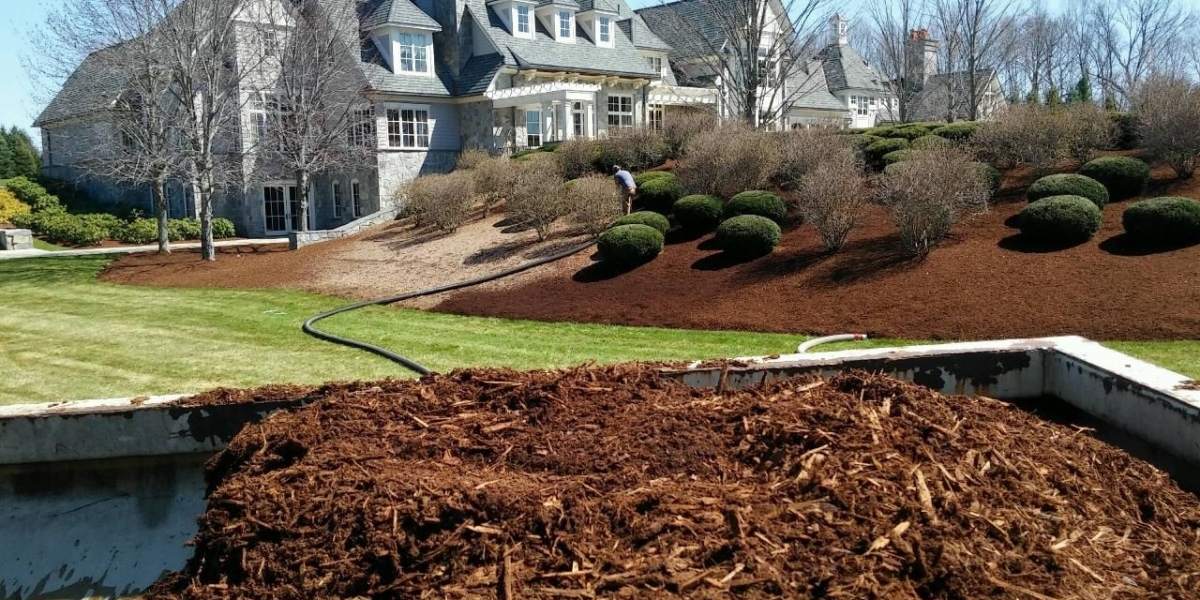

Mulch may look like a simple layer of material placed around plants, but it can play an important role in how a landscape manages moisture, weeds, soil temperature, and erosion. For homeowners planning to refresh flower beds or protect planting areas, understanding how mulch works can make it easier to choose the right material and installation approach.
Qualified Mulch Installation Services in Cumming, GA can help homeowners apply mulch appropriately while considering the existing landscape, plants, soil, drainage, and appearance of the property. Mulching is commonly used in Cumming-area landscapes because it can conserve soil moisture, reduce weed growth, moderate soil temperatures, and contribute organic matter as certain materials break down.
This guide explains the practical side of mulch installation so homeowners can understand what mulch does, how much may be needed, where it should be placed, and what mistakes should be avoided.
What Is Landscape Mulch?
Landscape mulch is a protective layer placed over the soil surface around trees, shrubs, flowers, and other planting areas.
Mulch can be organic or inorganic.
Common organic options include:
· Hardwood mulch
· Pine bark
· Wood chips
· Pine straw
· Shredded bark
· Other plant-based materials
Inorganic options can include:
· Gravel
· Decorative stone
· River rock
· Other landscape aggregates
Each material behaves differently. Organic mulch gradually decomposes and can contribute organic matter to the soil, while inorganic materials generally remain in place longer and do not provide the same decomposition-related soil benefits.
The right choice therefore depends on more than color or price.
Why Do Homeowners Use Mulch?
Mulch serves several practical purposes.
1. It Helps Conserve Soil Moisture
Bare soil can lose moisture through evaporation. A suitable layer of mulch creates a barrier between the soil and the atmosphere, helping reduce moisture loss.
This can be particularly useful around landscape plants during periods when the soil dries more quickly.
Mulch does not eliminate the need for irrigation, but it can help the soil retain moisture for longer.
2. It Helps Suppress Weeds
Mulch can block some of the sunlight that weed seeds need to grow.
University of Georgia Extension explains that mulch can be used as a natural weed-control method because reduced light can weaken emerging weeds.
However, mulch is not a guarantee that weeds will never appear. Existing weeds should be addressed before installation, and new growth may still need occasional removal.
3. It Moderates Soil Temperature
Mulch can help reduce rapid changes in soil temperature.
This creates a more stable environment around plant roots during periods of hot or cold weather. University of Georgia Extension identifies temperature moderation as one of the benefits of landscape mulching.
4. It Can Reduce Soil Erosion
Rainfall can move exposed soil, particularly on sloped areas.
A layer of mulch can help absorb the impact of raindrops and slow surface water movement. This can reduce erosion in appropriate landscape applications.
5. Organic Mulch Can Add Organic Matter
Organic mulch gradually breaks down.
As it decomposes, it can contribute organic matter to the soil and support improvements in soil structure and fertility over time.
This is one reason organic mulch is commonly used around established landscape plants.
How Much Mulch Should Be Applied?
One of the most important parts of proper mulch installation is getting the depth right.
More mulch is not automatically better.
University of Georgia Extension recommends approximately 3 to 4 inches of organic mulch around plants for weed suppression and moisture management. It also recommends keeping mulch away from plant stems and tree trunks.
Homeowners should avoid creating a thick mound directly against a tree trunk.
Instead, mulch should form a relatively even layer across the intended planting area while leaving the immediate base of the plant uncovered.
Why Is a "Mulch Volcano" a Problem?
A mulch volcano occurs when mulch is piled high against the trunk of a tree or the stem of a plant.
It may look neat from a distance, but constant contact with moist mulch can create unfavorable conditions around the bark.
University of Georgia Extension specifically recommends pulling mulch away from stems and trunks because excessive moisture at the stem or trunk can contribute to decay and other plant problems.
A better approach is to create a level mulch layer around the plant while keeping the trunk or stem exposed.
What Type of Mulch Is Best for a Cumming, GA Landscape?
There is no universal answer.
The best mulch depends on the plants, location, desired appearance, maintenance expectations, and homeowner preferences.
Hardwood Mulch
Hardwood mulch is a common landscape choice and can provide a natural appearance.
It is available in natural and dyed forms, allowing homeowners to select different visual finishes. Cumming-area landscape suppliers offer several hardwood mulch options for residential and commercial landscaping.
Pine Bark
Pine bark can work well in planting beds and around shrubs.
Its appearance and texture make it useful for landscapes where a more natural ground-cover appearance is desired.
Wood Chips
Wood chips can be useful in certain landscape areas, particularly around trees, pathways, or larger unplanted spaces.
Fresh wood material may behave differently from aged mulch, so homeowners should understand the intended application before choosing it.
Pine Straw
Pine straw is another ground-cover option frequently used in Georgia landscapes.
It is lightweight and can be easier to distribute in some areas, although it may require more frequent refreshing because it can move or decompose differently from heavier mulch materials.
Decorative Rock
Rock and gravel can provide a long-lasting decorative surface.
However, inorganic materials do not decompose like organic mulch. University of Georgia Extension also notes that some inorganic materials can increase heat around plants and may contribute to soil compaction depending on the application.
How Does Professional Mulch Installation Work?
A proper installation involves more than unloading mulch and spreading it randomly.
Step 1: Inspect the Landscape
The first step is to evaluate the planting beds.
The installer may look at:
· Existing mulch
· Plants and trees
· Soil condition
· Drainage
· Bed boundaries
· Weeds
· Exposed roots
· Landscape edging
· Existing ground cover
This helps determine what preparation is needed.
Step 2: Prepare the Beds
Existing weeds, debris, and unwanted material should be addressed before fresh mulch is installed.
If old mulch has become compacted or excessively deep, simply adding another layer may create problems.
The goal is to create a suitable surface for the new material.
Step 3: Define the Bed Edges
Clean bed edges can make the landscape look more organized.
Edging can also help keep mulch from spreading into lawns, walkways, or driveways.
Step 4: Calculate the Required Amount
Mulch is usually purchased by volume, such as cubic yards.
The amount needed depends on:
· Total bed area
· Desired depth
· Shape of the beds
· Existing mulch
· Type of material
Accurate measurement can help reduce waste and prevent homeowners from ordering too little or too much material.
Step 5: Spread the Mulch Evenly
The mulch should be distributed consistently across the planting area.
Uneven piles can create areas that are too shallow or too deep.
A professional installation focuses on creating a relatively uniform layer while keeping appropriate clearance around plants.
Step 6: Final Cleanup
After installation, mulch should be cleared from sidewalks, driveways, lawn areas, and other surfaces where it does not belong.
The finished beds should have defined edges and an even appearance.
How Can Mulch Help Cumming Homeowners During Warm Weather?
Mulch can be particularly useful when landscape soil is exposed to strong sunlight and evaporation.
A mulch layer can help moderate soil temperatures and reduce moisture loss. Cumming-area landscape guidance also highlights moisture retention and temperature control among the practical benefits of mulching.
However, mulch should not be treated as a substitute for appropriate watering.
Plants still require water according to their species, soil conditions, weather, and location.
Can Mulch Help With Erosion?
It can.
If rain falls directly onto bare soil, water can disturb soil particles and contribute to runoff.
Mulch provides a protective layer that can reduce the direct impact of rainfall and slow surface movement. This can be useful around planting beds and other areas where soil is exposed.
For properties with significant drainage or erosion problems, however, mulch alone may not solve the underlying issue.
The landscape may require grading, drainage improvements, ground-cover plants, retaining structures, or another appropriate solution.
What Mistakes Should Homeowners Avoid?
Several common mistakes can reduce the benefits of mulch.
Applying Too Much
A very deep layer can create problems rather than additional benefits.
Covering Plant Stems
Mulch should not be piled against plant stems or tree trunks.
Ignoring Drainage
Mulch cannot correct a serious drainage problem by itself.
Installing Over Weeds
Simply covering established weeds may result in continued growth.
Using the Wrong Material
Some mulch types are better suited to specific planting areas than others.
Forgetting Maintenance
Mulch gradually decomposes or moves. Beds should be inspected periodically and refreshed when necessary.
How Often Should Mulch Be Replaced?
There is no universal replacement schedule.
The appropriate timing depends on:
· Type of mulch
· Weather exposure
· Rainfall
· Landscape traffic
· Decomposition rate
· Existing mulch depth
· Appearance
· Movement caused by water
Instead of automatically adding a new layer every year, homeowners should inspect the existing material first.
If sufficient mulch remains, adding another thick layer may be unnecessary.
DIY Mulch Installation vs. Professional Service
Small planting beds may be manageable as a DIY project.
However, larger properties can require significant quantities of material and considerable physical work.
Professional Qualified Mulch Installation Services in Cumming, GA can be useful when homeowners need help with:
· Measuring large planting areas
· Selecting appropriate materials
· Removing or managing old mulch
· Preparing landscape beds
· Creating clean edges
· Installing consistent depths
· Protecting existing plants
· Handling bulk mulch
· Cleaning the surrounding property afterward
Local Cumming businesses provide mulch delivery, installation, landscaping, and related services, so homeowners have several types of providers to evaluate based on their particular project requirements.
What Should You Ask a Mulch Installation Company?
Before hiring a provider, ask practical questions rather than focusing only on the price.
Consider asking:
1. What mulch materials do you install?
2. Which material would be appropriate for my plants?
3. How will you determine the required quantity?
4. What depth will you install?
5. Will you remove or redistribute existing mulch?
6. How will you protect trees and plants?
7. Will you define or refresh the bed edges?
8. How will you handle areas with drainage concerns?
9. Is delivery included?
10. Will the crew clean surrounding walkways and lawn areas after installation?
Clear answers can help homeowners understand what the service actually includes.
How Can Homeowners Keep Fresh Mulch Looking Good?
After installation, simple maintenance can make a difference.
Periodically check the beds for:
· Bare patches
· Washed-out areas
· Weed growth
· Excessive mulch depth
· Exposed soil
· Mulch against tree trunks
· Debris
· Drainage problems
After heavy rain, inspect sloped beds and areas near downspouts. If mulch repeatedly washes away from the same location, there may be a drainage or grading issue that should be addressed rather than continually replacing the material.
A Practical Way to Plan Your Mulch Project
Before ordering mulch, walk around your property and identify the areas that actually need it.
Measure each bed and consider its shape. Decide whether you want a natural, colored, textured, or decorative appearance. Then evaluate the plants already growing in those areas.
If you are uncertain about material selection or installation depth, discussing the project with a landscaping professional can help you avoid unnecessary material purchases and installation mistakes.
The goal is not simply to cover the soil with mulch. It is to create a landscape surface that supports the planting area and fits the way you use and maintain your property.
Final Thoughts
Mulch is a relatively simple landscape material, but proper application requires attention to depth, placement, plant health, drainage, and material selection.
For homeowners researching Qualified Mulch Installation Services in Cumming, GA, understanding these fundamentals can make the entire project easier to plan. The right mulch can help conserve moisture, suppress weeds, moderate soil temperatures, reduce erosion, and contribute organic matter when organic materials decompose.
Most importantly, homeowners should remember that good mulching is about balance. Avoid excessive depth, keep mulch away from trunks and stems, monitor drainage, and choose a material that fits the landscape.
With thoughtful preparation and appropriate installation, mulch can become a useful part of a healthy, manageable, and attractive Cumming landscape.
Frequently Asked Questions
Is mulch useful for residential landscapes?
Yes. Mulch can help conserve moisture, suppress weeds, moderate soil temperature, reduce erosion, and improve the appearance of planting beds.
How deep should mulch be around plants?
University of Georgia Extension recommends approximately 3 to 4 inches of organic mulch for landscape applications, while keeping it away from plant stems and tree trunks.
Should mulch touch a tree trunk?
No. Mulch should be pulled away from the trunk rather than piled directly against it.
Which is better, hardwood mulch or pine straw?
Neither is automatically better for every property. The choice depends on the landscape, plants, appearance, maintenance needs, and homeowner preferences.
Can mulch stop weeds completely?
No. Mulch can suppress many weeds by blocking light, but weeds can still appear and may require additional maintenance.
Can mulch fix drainage problems?
Mulch can help reduce erosion and protect exposed soil, but it generally should not be considered a complete solution for serious drainage problems.
Does organic mulch improve soil?
Organic mulch decomposes over time and can add organic matter to the soil, supporting soil structure and fertility.
How often should I refresh my mulch?
It depends on the mulch type, weather, decomposition, and existing depth. Inspect the bed first rather than automatically adding another thick layer.
Written By: Rank Business Listings