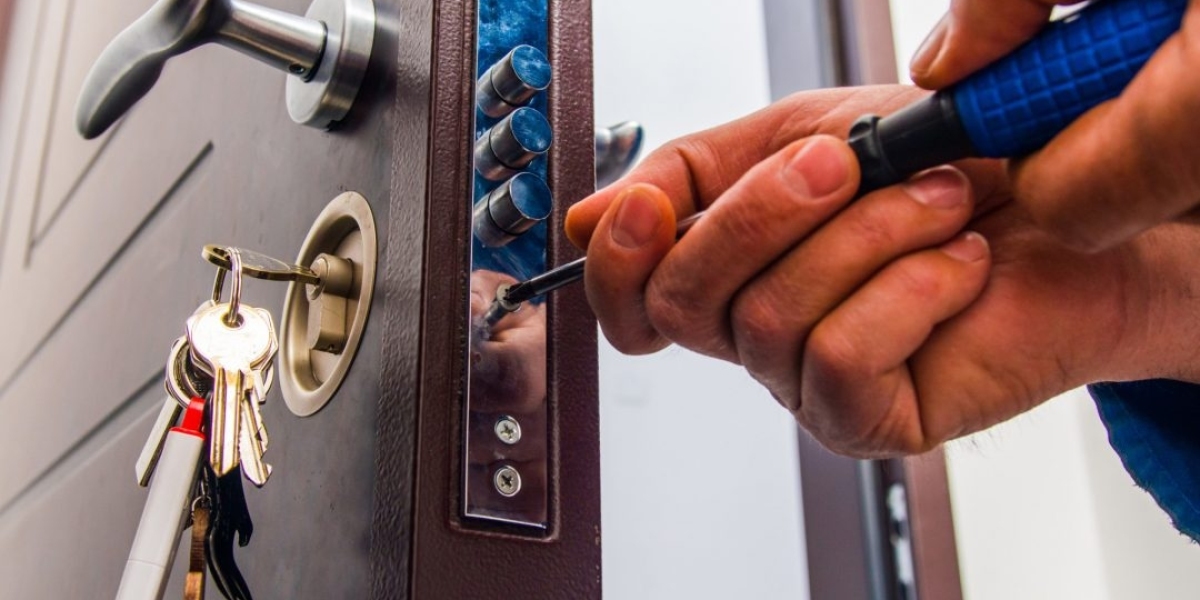

A lock problem does not always mean that the lock itself needs to be replaced. A door that becomes difficult to open, a key that suddenly stops turning, or a lock that feels unusually stiff can have several possible causes. Sometimes the issue is inside the lock, while in other situations the door, frame, key, or alignment may be responsible.
This is why professional diagnosis is an important part of locksmith work. When Dubai residents search for a locksmith near me, they may simply want the problem fixed quickly, but identifying the actual cause first can help avoid unnecessary repairs or replacements.
An experienced locksmith examines the complete locking setup before deciding what needs to be done.
Why a Lock Problem Needs Proper Diagnosis
Locks are made up of several components that work together. A problem with one component can affect the entire system.
For example, a key that is difficult to turn could be caused by:
- A worn key
- A damaged cylinder
- Door misalignment
- Internal lock wear
- A problem with the latch
Replacing the entire lock without checking these possibilities may not address the actual cause.
A professional diagnosis helps determine whether the problem requires repair, adjustment, replacement, or another solution.
The Key Is Often the First Thing Professionals Check
Before examining the lock itself, a locksmith may check the key.
A key can become worn after years of regular use. Its cuts may become less defined, or the blade may become bent or damaged.
Common signs of a key-related problem include:
- The key feels loose
- The key requires extra force
- The key does not turn consistently
- Another key works better
If the problem is limited to the key, replacing or duplicating it may solve the issue without changing the lock.
Checking the Lock Cylinder
The cylinder is another important part of the inspection.
A locksmith may check whether the cylinder:
- Turns smoothly
- Feels stiff
- Has visible damage
- Responds correctly to the key
A worn or damaged cylinder can affect normal operation.
Depending on the lock design, the cylinder may sometimes be repaired or replaced separately rather than replacing the complete locking system.
Door Alignment Can Cause Lock Problems
One of the most overlooked causes of lock problems is door alignment.
A door can shift slightly over time because of:
- Regular use
- Hinge movement
- Building movement
- Changes in hardware
When the door is misaligned, the latch or locking bolt may not line up correctly with the strike plate.
This can make the key feel difficult to turn even when the lock mechanism itself is functioning correctly.
A professional can inspect the alignment and determine whether an adjustment is required.
Inspecting the Latch and Strike Plate
The latch and strike plate work together to keep the door secured.
If they are not aligned properly, the door may:
- Fail to close smoothly
- Require extra force
- Produce unusual sounds
- Make locking difficult
A locksmith checks whether the latch enters the strike plate correctly and whether the hardware is securely positioned.
Sometimes a relatively small adjustment can resolve the issue.
Looking for Signs of Internal Wear
Locks experience repeated mechanical movement every day.
Over time, internal components can become worn.
Warning signs include:
- Stiff operation
- Grinding sensations
- Inconsistent locking
- Difficulty returning the key to its normal position
If internal components are significantly worn, replacement may be more practical than continued repair.
Why Professionals Do Not Always Recommend Replacement
Replacing a lock may appear to be the simplest solution, but it is not always necessary.
If the problem is caused by:
- Door alignment
- A damaged key
- Loose hardware
- A minor component
repair or adjustment may be sufficient.
A professional diagnosis helps property owners understand what actually needs attention.
When Replacement Becomes the Better Option
Replacement may be considered when a lock is severely damaged, repeatedly fails, or no longer meets the property's security requirements.
Other reasons may include:
- Significant internal wear
- Broken components
- Outdated locking technology
- Security concerns
The decision should be based on the lock's condition and the property's requirements.
What Happens During a Professional Locksmith Visit?
A typical service visit can involve several stages.
1. Understanding the Problem
The locksmith first asks what happened and when the issue started.
2. Inspecting the Door
The complete door and locking area are examined rather than focusing only on the keyhole.
3. Testing the Lock
The locksmith checks how the lock behaves during normal operation.
4. Identifying the Cause
The findings are used to determine whether the issue involves the key, cylinder, latch, alignment, or another component.
5. Recommending a Solution
The appropriate solution may involve repair, adjustment, replacement, or an upgrade.
Different Properties Can Have Different Lock Problems
Dubai properties include apartments, villas, offices, and commercial spaces. Their doors and locking systems can vary considerably.
Apartments
Apartment doors may experience frequent daily use, making wear and alignment important considerations.
Villas
Villa entrances may use heavier doors, multiple locking points, or additional access systems.
Offices
Office doors may require controlled access and different security arrangements.
A professional locksmith assesses the specific property rather than applying the same solution to every door.
Modern Lock Problems Require Different Diagnosis
Not every lock problem involves a traditional key.
Modern properties may use:
- Digital locks
- Fingerprint locks
- PIN systems
- Smart locks
- Electronic access systems
These systems can have both mechanical and electronic causes of failure.
For example, a smart lock problem could involve battery power, configuration, connectivity, or physical alignment.
Professional assessment helps identify which part of the system requires attention.
What Property Owners Should Tell a Locksmith
When contacting a locksmith near me, providing accurate information can help the professional understand the situation before arriving.
Useful information includes:
- Property type
- Location
- Type of door
- Lock type if known
- Symptoms of the problem
- Whether a key is available
Photos of the lock may also help a professional understand the setup before a visit.
Avoid Trying to Force a Faulty Lock
When a lock becomes difficult to operate, forcing the key or handle can make the problem worse.
Excessive force may result in:
- Broken keys
- Damaged cylinders
- Damaged handles
- Additional repair requirements
If a lock is showing unusual resistance, professional inspection is a safer approach.
Frequently Asked Questions
Why is my key difficult to turn?
The cause could be a worn key, damaged cylinder, door alignment issue, or internal lock problem.
Does a stiff lock always need replacement?
No. The problem may be resolved through adjustment or repair depending on the cause.
Can door alignment affect the lock?
Yes. Poor alignment can prevent the locking bolt or latch from entering the correct position.
How can I tell if my key is worn?
A worn key may have visibly softened edges or may operate the lock inconsistently compared with a newer key.
Can a locksmith diagnose smart lock problems?
Depending on the system, a professional can inspect both the mechanical and electronic aspects of a smart lock.
Final Thoughts
When a lock starts behaving differently, replacing it immediately is not always necessary. The real cause may be a damaged key, door alignment, loose hardware, cylinder wear, or another component.
A professional locksmith begins by examining the complete locking system and then recommends the appropriate solution.
For Dubai residents searching for a locksmith near me, choosing a professional who focuses on diagnosis as well as repair can help ensure that the actual problem is addressed rather than simply replacing parts unnecessarily.