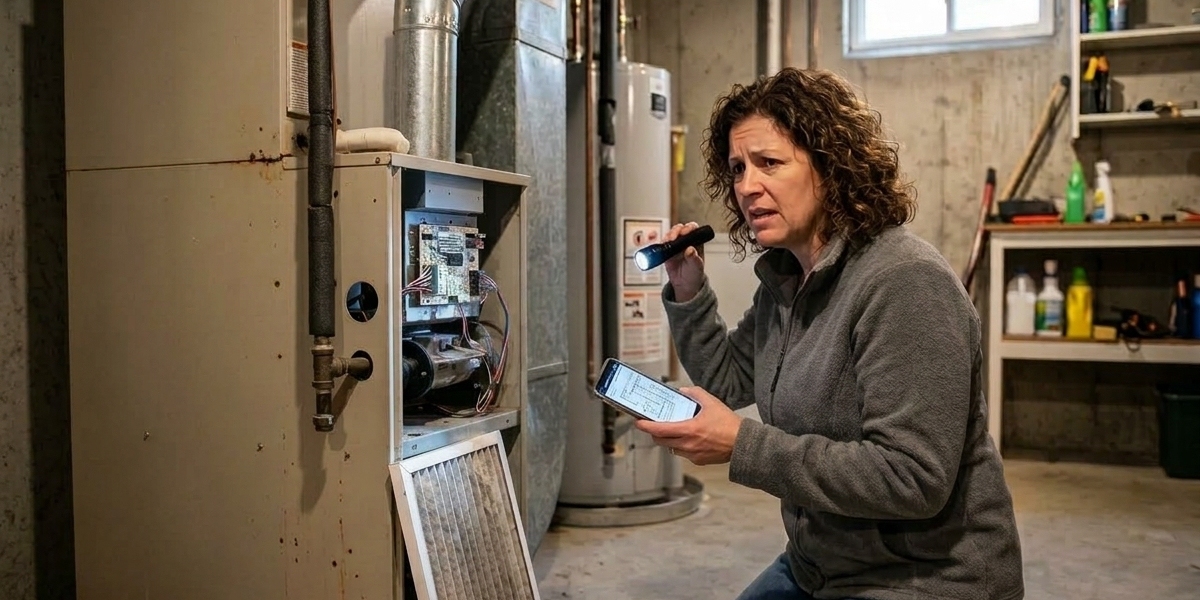

A heating system can seem simple when it is working properly. You set the temperature, warm air moves through the home, and the equipment runs when needed. Problems become much more noticeable when rooms stay cold, the system turns on and off too often, or the equipment makes unusual sounds. These issues are often signs that something inside the system is no longer working as it should.
Small heating problems can become harder to manage when they are ignored. A weak airflow issue may place extra strain on other parts, while electrical, airflow, or combustion-related faults can create safety concerns. Knowing what to watch for helps homeowners decide when basic checks are enough and when professional attention is more appropriate.
Start With the Signs Your Heating System Is Giving You
One of the clearest warning signs is uneven heating. You may notice that one room feels comfortable while another remains noticeably colder even though the thermostat is set to the same temperature. This can happen because of airflow restrictions, equipment problems, thermostat issues, or other parts of the heating setup that are no longer operating correctly. A sudden change is especially worth noticing if the system worked normally before.
Other signs may appear before the system stops working completely. The equipment may run for much longer than usual, cycle repeatedly, or fail to reach the temperature shown on the thermostat. You may also notice unusual smells, rattling sounds, grinding, buzzing, or a change in airflow. These symptoms do not always point to one specific fault, so avoiding guesswork can prevent unnecessary repairs.
Common warning signs include:
- Rooms that remain cold despite normal thermostat settings
- Repeated short cycling
- New or unusual equipment noises
- Weak or inconsistent airflow
- Unexpected increases in heating use
- A system that starts but does not complete a normal heating cycle
Check the Simple Causes Before Assuming the Equipment Has Failed
Not every heating problem means a major component has failed. Homeowners can safely review a few basic conditions before calling for service. Check that the thermostat is set correctly and that the system is actually switched to the desired operating mode. A thermostat with weak batteries, incorrect scheduling, or a damaged display can create symptoms that look like equipment failure.
Airflow is another basic area worth checking. A visibly dirty filter can restrict the amount of air moving through the system and may contribute to reduced comfort or repeated cycling. Supply registers should also be open and free from obvious obstructions. These checks are simple, but they matter because a heating system depends on steady airflow to operate properly and distribute warmth through the home.
At the same time, homeowners should know when to stop troubleshooting. Opening equipment panels, testing electrical components, or attempting to repair combustion-related parts can create safety risks. A problem that seems minor from the outside may involve wiring, motors, controls, or internal equipment that requires proper testing. Basic checks are useful, but they should not replace professional diagnosis when the cause is unclear.
Why Some Heating Problems Keep Coming Back
A system that repeatedly develops the same problem may have an underlying cause that has not been corrected. Replacing or adjusting one part can restore operation temporarily, but the issue may return if airflow, electrical supply, controls, or another connected component remains faulty. This is one reason repeated resets are not a reliable long-term solution.
Age can also change how equipment behaves. Components wear over time, and moving parts may become less efficient or develop mechanical issues. Older equipment can also have several small problems at once, making the symptoms harder to interpret. Instead of treating each failure as a separate event, a proper inspection can help identify whether several symptoms are connected.
Recurring problems are especially important when the equipment is noisy, frequently shutting down, or struggling to maintain the desired temperature. A heating system should not need constant resets or repeated temporary fixes during normal use. When the same symptoms keep appearing, a complete evaluation can be more useful than another quick adjustment.
What a Professional Evaluation Can Reveal
A professional inspection focuses on finding the actual source of the problem rather than treating only the most visible symptom. Depending on the equipment and the complaint, this may involve checking controls, airflow, electrical connections, motors, sensors, filters, and other operating components. The goal is to understand why the system is behaving differently and whether the issue is isolated or connected to another part.
This approach matters because heating equipment works as a system. One failed component can affect another. For example, restricted airflow can change how the equipment operates, while an electrical issue may prevent a motor or control from working correctly. A trained technician can test these relationships rather than relying only on what the system sounds or feels like during operation.
A professional evaluation also helps separate repairable faults from situations where continued operation may not be practical. Some problems can be corrected with a relatively focused repair, while others may point to larger equipment deterioration. A clear diagnosis gives homeowners better information before they spend money on parts or more extensive work.
Safety Matters More Than a Quick Fix
Heating equipment should never be treated as a trial-and-error project when gas, combustion, electricity, or high-temperature components are involved. A strange smell, repeated shutdowns, visible damage, or signs of overheating should be treated seriously. Continuing to operate equipment with a known fault may make the problem worse and could create a safety issue for the household.
Homeowners should also pay attention to changes that seem unrelated to comfort. Strange odors, unusual sounds, or unexpected equipment behavior can sometimes appear before a larger failure. The right response depends on the cause, which is why guessing can be risky. Turning off equipment that appears unsafe and arranging qualified service is a more appropriate approach than repeatedly trying to force it to run.
Technicians usually conduct a comprehensive evaluation before performing a furnace heat exchanger repair, ensuring the solution fits the unit's exact age and structure. The value is not only in getting the equipment running again. Correct diagnosis can reduce repeated failures, improve reliable operation, and help prevent a small fault from affecting other parts of the system.
How to Reduce Repeat Heating Problems
Once the immediate issue has been resolved, homeowners can reduce future trouble by paying attention to routine system care. Keep filters changed according to the equipment requirements and household conditions. Avoid blocking supply registers with furniture or stored items. Pay attention to airflow changes and new noises instead of waiting until the equipment stops working completely.
Regular maintenance can also provide an opportunity to catch developing problems before they become disruptive. A technician may identify worn components, poor airflow, loose connections, or other conditions that could affect performance later. This does not guarantee that a system will never fail, but it can make problems easier to identify and address.
Homeowners can also keep a simple record of recurring symptoms. Note when the system begins short cycling, when a room becomes difficult to heat, or when a particular sound appears. Patterns can help a technician narrow down the cause more efficiently. Clear information about what changed and when it changed can be surprisingly useful during diagnosis.
When Repair Makes More Sense Than Waiting
A heating problem should not be judged only by whether the system is still producing some warmth. Equipment that barely operates can continue consuming energy while providing poor comfort, and a repeated fault may worsen when the system is placed under heavier demand. Waiting until a complete breakdown is sometimes more disruptive than addressing the issue when the first warning signs appear.
The decision to repair also depends on the condition of the equipment as a whole. A system with one isolated fault may be a reasonable candidate for repair, while equipment with repeated major failures may require a broader discussion about its remaining service life. That decision should be based on the diagnosis, repair scope, equipment condition, and expected reliability rather than on a single symptom.
The most useful approach is to treat changes in heating performance as information. When the system begins behaving differently, investigate the cause instead of assuming the problem will disappear. Early attention can make the repair process more straightforward and help restore dependable comfort.
Conclusion
A heating system rarely changes its behavior without a reason. Uneven temperatures, weak airflow, repeated cycling, unusual sounds, and recurring shutdowns can all point to problems that deserve attention. Basic thermostat and airflow checks are worth doing, but deeper electrical, mechanical, or combustion-related issues should be assessed by a qualified professional. Understanding these warning signs helps homeowners respond before a manageable problem becomes a larger disruption.
One useful concept is forced-air, which describes a common method of distributing heated air through a building. Understanding how air moves through a heating system makes it easier to recognize why airflow problems can affect comfort, equipment performance, and overall operation.