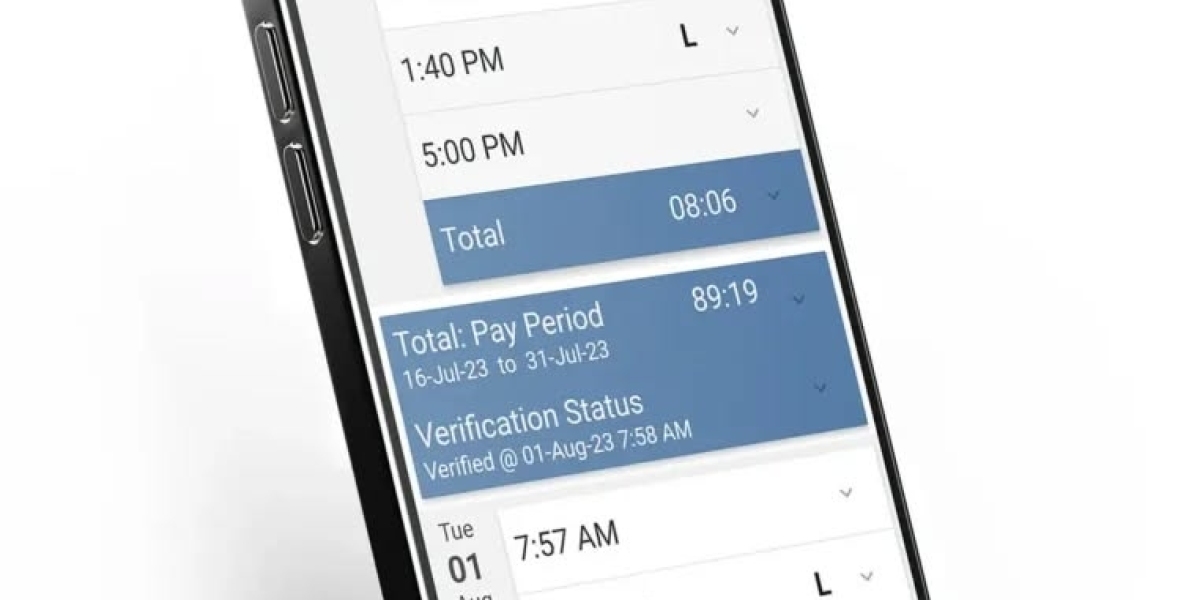

Managing a busy work schedule becomes easier when employees can view their professional commitments alongside personal activities. Separate calendars can sometimes make it difficult to remember shifts, meetings, appointments, family responsibilities, and other important events. Connecting work scheduling with a personal calendar can provide a more convenient overview and help employees plan their time with greater awareness.
Bringing Work Commitments Into One View
Employees often use personal calendars to organize activities outside the workplace. When work schedules remain in a completely separate system, employees may need to switch between applications to understand what their upcoming days look like. Synchronizing work schedules with supported personal calendars can reduce this inconvenience.
With TimeTrex, employees can connect their scheduled work commitments with compatible calendar tools, allowing professional responsibilities to appear alongside other planned activities. This creates a broader view of the day or week and makes it easier to understand when work obligations occur.
Making Weekly Planning More Convenient
A clear weekly schedule helps employees prepare for upcoming responsibilities. Instead of checking a workplace scheduling system and then comparing it with a personal calendar, synchronized information can bring these commitments closer together.
For example, an employee may have an early morning shift on Monday, a regular appointment on Tuesday evening, and another work commitment later in the week. Having these events visible within a familiar calendar environment can make planning more straightforward. Employees can identify busy periods and organize their personal activities around established work commitments.
Reducing Scheduling Confusion
Schedule changes can create confusion when employees rely on memory or manually transfer information between different calendars. A connected approach can help reduce the need for repeated data entry and give employees a convenient reference point for their assigned work periods.
When employees can see their work commitments in the same calendar they already use for personal planning, there is less need to remember every scheduled shift separately. This can be particularly useful for employees whose working hours vary from week to week.
Supporting Better Time Awareness
Good scheduling is not only about knowing when an employee must be at work. It is also about understanding how different commitments fit together. A personal calendar can provide context that a workplace scheduling screen may not include.
For instance, an employee planning a weekend activity may first want to confirm whether a scheduled shift overlaps with the event. Seeing both commitments together makes that comparison easier. The employee can then make personal plans with a clearer understanding of existing responsibilities.
Helping Employees Prepare in Advance
Advance preparation is easier when upcoming work commitments are visible. Employees can review their calendars before making appointments, arranging transportation, planning family activities, or organizing other personal responsibilities.
A synchronized calendar can also provide a familiar way to review work schedules without requiring employees to repeatedly navigate through a separate scheduling interface. This convenience can make routine schedule checking part of an employee's normal planning habits.
Useful for Flexible and Variable Schedules
Calendar synchronization can be particularly valuable for workers whose schedules change regularly. Employees working different shifts, locations, or hours throughout the week may have more difficulty remembering their exact commitments.
A connected calendar provides a practical overview of scheduled work periods. Instead of relying on a printed schedule or manually maintained personal notes, employees can have their work commitments available in a calendar format that is already part of their daily routine.
Improving Communication Through Visibility
When employees have clearer visibility into their schedules, they can also communicate more effectively about availability. Before agreeing to a personal appointment or making another commitment, they can review their existing calendar and identify potential conflicts.
This does not eliminate the need to follow workplace scheduling procedures, but it can make employees more informed when managing their own time. Better visibility can therefore support smoother coordination between professional and personal responsibilities.
Creating a More Organized Employee Experience
Modern workplaces increasingly rely on digital tools to manage employee information, scheduling, attendance, and other administrative activities. Providing employees with convenient access to their schedules can make these systems more useful in everyday life.
TimeTrex can serve as a central source for work scheduling while allowing employees to synchronize supported schedule information with personal calendars. The result is a more connected planning experience where employees can consider their work responsibilities together with the activities they manage outside the workplace.
A Practical Approach to Calendar Management
Work schedules are an important part of everyday planning. When those schedules can be viewed alongside personal commitments, employees gain a clearer picture of how their time is allocated. This can make it easier to prepare for shifts, recognize conflicts, and organize activities in advance.
For organizations and employees alike, calendar synchronization offers a simple way to connect workplace scheduling with everyday planning. By reducing the separation between professional and personal calendars, businesses can give employees a convenient reference for understanding their upcoming commitments and managing their time more effectively.