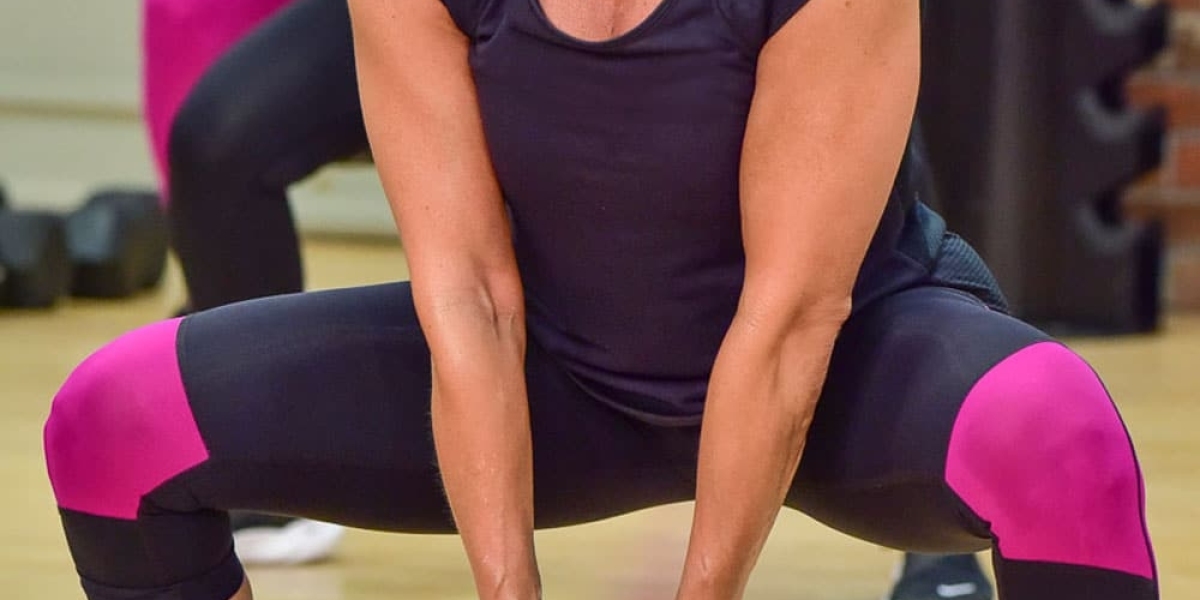

Compound exercises are movements that work multiple muscle groups and joints at the same time. They are a fundamental part of many strength-training programs because they allow you to train several areas of the body with a relatively small number of exercises.
Exercises such as squats, deadlifts, bench presses, rows, and overhead presses are common examples. Depending on the movement, a single exercise can challenge the legs, hips, back, shoulders, arms, and core simultaneously.
Whether you train at a gym or at home, compound exercises can make your workouts more efficient. They can help develop strength, improve movement skills, and provide a strong foundation for a balanced training program.
What Are Compound Exercises?
A compound exercise involves movement at more than one joint and typically recruits multiple muscle groups.
For example, a squat involves movement at the hips, knees, and ankles while engaging muscles throughout the lower body and trunk.
A biceps curl, by comparison, primarily involves movement at the elbow and places most of the training emphasis on the biceps. This makes it an example of an isolation exercise.
Both types of exercises can have a place in a training program, but compound movements are particularly useful when you want to train several muscle groups efficiently.
Benefits of Compound Exercises
Train Multiple Muscles at Once
One of the biggest advantages of compound exercises is efficiency.
Instead of performing separate exercises for every muscle group, you can use movements that train several areas simultaneously.
A deadlift, for example, involves the hips, legs, back, and core. A rowing movement works the upper back while also requiring assistance from the arms and core.
Build Overall Strength
Compound movements can help you develop strength across multiple muscle groups.
Exercises such as squats, presses, rows, and deadlifts allow you to gradually increase resistance as your technique and strength improve.
Developing strength through these movements can also help you become more capable during everyday physical activities.
Improve Movement Coordination
Compound exercises require different muscles to work together.
This coordination can make them useful for developing control and movement skills. Rather than isolating one muscle, you learn to produce force through a coordinated movement pattern.
Make Workouts More Efficient
If you have limited time to exercise, compound movements can help you train more muscle groups within a shorter workout.
A routine built around several well-selected compound exercises may cover much of the body without requiring dozens of individual movements.
Support Muscle Growth
Compound exercises can provide a substantial training stimulus when performed with appropriate resistance and volume.
For muscle growth, they can be combined with isolation exercises to provide additional work for specific muscles.
Popular Compound Exercises
Squats
The squat is one of the most recognizable compound exercises.
It primarily trains the muscles of the lower body, including the quadriceps and glutes, while the trunk muscles work to stabilize the body.
A basic bodyweight squat is a good starting point for beginners. More experienced lifters can use barbells, dumbbells, or other forms of resistance.
Deadlifts
Deadlifts involve lifting a weight from the floor or another starting position using a coordinated hip and leg movement.
They train muscles throughout the posterior chain, including the glutes and hamstrings, while the back and core contribute to stability.
Proper technique is particularly important because deadlifts can involve substantial loads.
Bench Press
The bench press is a common upper-body compound exercise.
It primarily trains the chest while also involving the triceps and front portion of the shoulders.
It can be performed using a barbell or dumbbells.
Overhead Press
The overhead press involves pushing a weight from around shoulder level to above your head.
It primarily trains the shoulders while the triceps and core contribute to the movement and stabilization.
The exercise can be performed standing or seated depending on the variation.
Pull-Ups
Pull-ups use multiple joints and recruit several upper-body muscles.
The back and arms perform much of the work while the core helps stabilize the body.
People who cannot yet perform a full pull-up can begin with assisted variations or other pulling exercises.
Rows
Rows are excellent compound movements for the upper back.
They can be performed using dumbbells, barbells, cables, or machines.
Depending on the variation, rows train the back, rear shoulders, and arms while requiring the body to maintain a stable position.
Lunges
Lunges train the lower body while requiring balance and coordination.
They can be performed with body weight, dumbbells, barbells, or other resistance.
Because each leg works more independently than during a traditional squat, lunges can also help address differences in strength and stability between sides.
Dips
Dips involve pushing the body upward using the arms and shoulders.
They can place significant demands on the chest, triceps, and shoulders. Beginners may use an assisted dip machine or another suitable progression.
Compound Exercises for Beginners
Beginners do not need to start with heavy weights.
Learning movement patterns should come first. Bodyweight versions can often provide an appropriate introduction.
A simple beginner routine might include:
Bodyweight squats
Incline push-ups
Dumbbell rows
Glute bridges
Assisted lunges
Light overhead presses
Start with manageable resistance and focus on controlled repetitions.
As your technique improves, you can gradually increase resistance or choose a more challenging variation.
Compound Exercises for Muscle Building
If your primary goal is building muscle, compound movements can form the foundation of your training.
A workout might include a squat or leg press, a pressing movement, a pulling movement, and a hip-dominant exercise.
You can then add isolation movements for muscles that need additional attention.
For example, an upper-body workout could combine:
Bench press
Seated row
Overhead press
Lat pulldown
Biceps curl
Triceps extension
The first four movements provide substantial multi-muscle training, while the final two focus more directly on the arms.
Compound Exercises for Strength
Strength-focused programs often emphasize compound movements because they allow you to practice producing force against progressively heavier resistance.
Common strength exercises include:
Squats
Deadlifts
Bench presses
Overhead presses
Rows
Pull-ups
When training for strength, technique becomes especially important. Increasing the weight should not come at the expense of safe and controlled movement.
Compound vs. Isolation Exercises
Compound and isolation exercises serve different purposes.
Compound exercises involve multiple joints and muscle groups. Examples include squats, deadlifts, bench presses, and rows.
Isolation exercises generally emphasize movement around one joint and place greater focus on a particular muscle. Examples include biceps curls, leg extensions, and lateral raises.
You do not necessarily have to choose one type over the other.
A well-designed program can use compound best compound exercises exercises for efficient full-body training and isolation exercises to provide additional work for specific muscles.
How Many Compound Exercises Should You Do?
There is no universal number.
The appropriate amount depends on your experience, goals, schedule, recovery capacity, and the rest of your training program.
Beginners may only need a few major compound movements per workout.
More experienced lifters may use several compound exercises while carefully managing total training volume.
The quality of your training matters more than trying to fit as many exercises as possible into a session.
Common Mistakes With Compound Exercises
Using Too Much Weight
One of the most common mistakes is choosing a weight that is too heavy to control properly.
Start with a manageable resistance and increase it gradually.
Ignoring Technique
Compound movements involve multiple joints and muscle groups, so technique matters.
If you are unsure how to perform an exercise, consider learning from a qualified fitness professional rather than relying solely on trial and error.
Doing Too Much Too Soon
Compound exercises can be physically demanding. Performing excessive sets or training heavy every day can make recovery difficult.
Give your body adequate time to recover between demanding workouts.
Skipping Warm-Ups
A short warm-up can help prepare you for training.
You might begin with light cardiovascular movement followed by easier sets of the exercise you plan to perform.
How to Progress With Compound Exercises
Progressive overload can be applied to compound movements.
You can gradually increase:
Weight
Repetitions
Sets
Exercise difficulty
Range of motion
Movement control
For example, if you can comfortably perform three sets of eight squats with a particular weight and your technique remains consistent, you may eventually increase the resistance slightly.
Progress should be gradual rather than forced.
Final Thoughts
Compound exercises are valuable because they allow multiple muscles and joints to work together during a single movement. Squats, deadlifts, presses, rows, pull-ups, and lunges can form the foundation of many effective strength-training programs.
They can help improve strength, muscle development, coordination, and workout efficiency. Beginners should focus on learning proper movement patterns before attempting heavy loads, while experienced lifters can gradually increase resistance and training volume according to their goals.
A balanced routine can combine compound exercises with isolation movements, mobility work, and appropriate recovery. The most effective program is one you can perform consistently with good technique and gradually progress over time.


postingan populer







