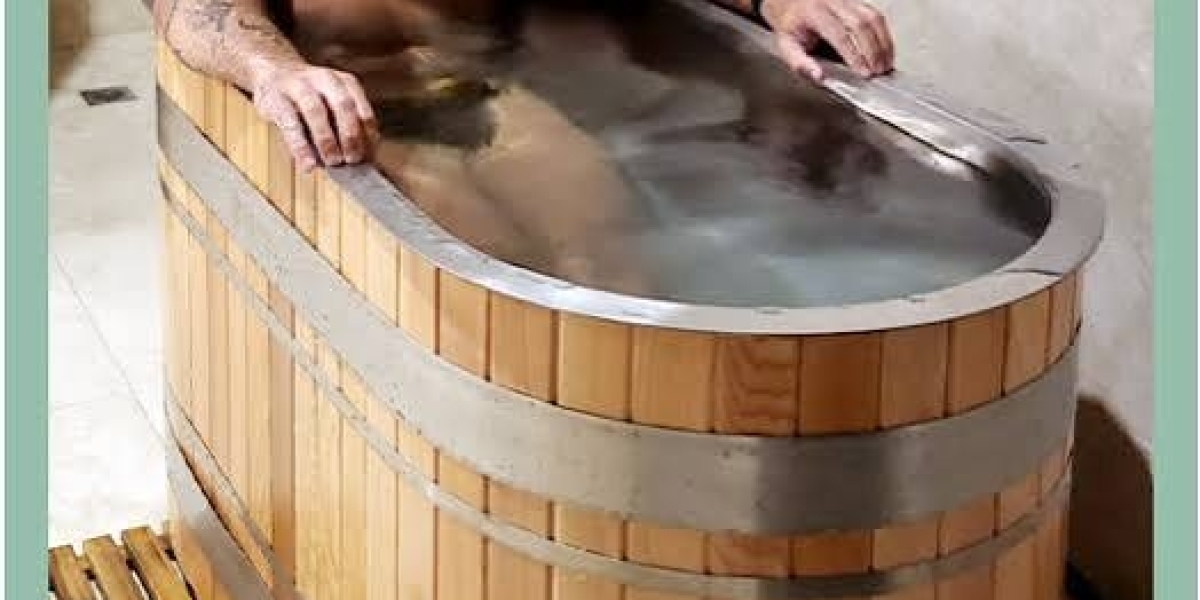

Contrast therapy is a recovery technique that alternates between heat and cold exposure. It has become popular among athletes, gym-goers, and people looking for ways to feel less stiff and more refreshed after physical activity.
A typical contrast therapy session may involve moving between a hot sauna or warm bath and a cold plunge or cold shower. The repeated temperature changes create different physiological responses, including changes in blood vessel diameter, heart rate, and blood flow.
While contrast therapy can feel invigorating and may help with certain aspects of recovery, it isn't a cure-all. Understanding what it can realistically do, how to use it, and when to avoid it is important before adding it to your routine.
What Is Contrast Therapy?
Contrast therapy, sometimes called hot-and-cold therapy, involves alternating exposure to heat and cold.
A session might look like this:
Spend several minutes in a sauna or hot environment
Move into a cold shower or cold-water immersion
Rest and warm up
Repeat the cycle
The exact temperatures and duration can vary considerably. There isn't one universally accepted protocol that everyone needs to follow.
The basic idea is to expose the body to contrasting temperatures while allowing enough recovery between exposures.
How Does Contrast Therapy Work?
Heat and cold produce different effects on the body.
Heat generally causes blood vessels near the skin to widen and increases blood flow to the body's surface. It can also increase sweating and raise heart rate.
Cold exposure causes blood vessels to constrict and can temporarily reduce blood flow to the skin and extremities. Cold can also stimulate the nervous system and create a strong alerting sensation.
Alternating between these conditions produces repeated changes in circulation and temperature regulation.
Some people describe the experience as energizing, while others primarily use it because they find the combination relaxing after exercise.
Potential Benefits of Contrast Therapy
May Help With Post-Exercise Recovery
One of the main reasons people use contrast therapy is to recover after demanding physical activity.
Alternating heat and cold may influence circulation and how the body perceives muscle discomfort. Some research suggests contrast water therapy can help reduce feelings of soreness following exercise.
However, the size of the benefit varies between studies, and contrast therapy shouldn't be considered essential for recovery.
Basic recovery habits such as adequate sleep, nutrition, hydration, and sensible training remain fundamental.
May Reduce the Feeling of Muscle Soreness
Delayed-onset muscle soreness can occur after unfamiliar or particularly intense exercise.
Cold exposure can temporarily numb areas of the body and alter pain perception. Heat may then provide a relaxing sensation that makes stiff muscles feel more comfortable.
Contrast therapy may therefore be useful when the main goal is simply to feel better after a challenging workout.
Can Provide a Refreshing Sensation
Cold-water exposure activates the nervous system and can produce a strong feeling of alertness.
Following cold exposure with warmth creates a noticeable contrast that many people find refreshing.
For some, the psychological experience is an important part of the appeal. A short hot-and-cold routine can become a structured way to finish a workout or transition into recovery.
May Support Relaxation
Heat exposure can be relaxing, particularly when used in a quiet environment.
A sauna session may encourage you to slow down, while the cold portion provides a brief stimulating experience. Finishing with an appropriate recovery period can make the entire session feel restorative.
The relaxation benefits are likely to vary from person to person.
May Increase Awareness of Temperature Response
Contrast therapy gives you an opportunity to notice how your body responds to changes in temperature.
You may become more aware of breathing, heart rate, muscle tension, and general sensations during the process. This can encourage you to approach recovery more deliberately rather than simply pushing through fatigue.
Contrast Therapy for Athletes
Athletes sometimes use contrast therapy after training, competitions, or particularly demanding sessions.
The potential appeal is straightforward: heat can feel soothing, while cold can temporarily change the perception of soreness and fatigue.
However, recovery strategies should match the type and timing of training.
If you're trying to maximize long-term strength or muscle growth, using cold exposure immediately after every resistance-training session may not always be desirable. Some evidence suggests frequent immediate cold-water immersion after strength training can interfere with certain training adaptations.
That doesn't mean cold exposure must be avoided. Timing and purpose matter.
Contrast Therapy vs. Cold Plunge
A cold plunge involves immersing the body in cold water for a set period.
Contrast therapy adds heat exposure and alternates between the two.
A cold plunge may be chosen when the goal is specifically to experience cold exposure, while contrast therapy is designed around alternating temperature conditions.
Neither approach is automatically better for every person or every situation.
Contrast Therapy vs. Sauna
A sauna provides heat exposure without the cold component.
Contrast therapy combines heat with cold, usually in alternating cycles.
Sauna sessions may be primarily used for relaxation and heat exposure, while contrast therapy is often associated with post-exercise recovery.
The best option depends on your goals, tolerance, and health circumstances.
How to Try Contrast Therapy
If you're new to contrast therapy, there's no need to begin with extreme temperatures.
A simple approach is to start with comfortable heat exposure followed by a brief period of cool or cold exposure.
For example:
Warm phase: 5–10 minutes
Cool phase: 30–90 seconds
Rest: A few minutes
Repeat: 1–3 cycles
These are general examples rather than a required protocol. You can adjust the duration according to your experience and the equipment available.
The goal is controlled exposure, not seeing how long you can tolerate discomfort.
Should You Use Heat or Cold First?
There isn't one sequence that is universally required.
Some people prefer starting with heat because it allows them to relax before the cold exposure. Others use cold first, particularly after exercise, and then warm up afterward.
If you're using contrast therapy for relaxation, ending with warmth may feel more comfortable. If you prefer the alertness associated with cold exposure, you may choose to finish with cold.
Your reason for using the technique should guide the structure of the session.
Safety Tips for Contrast Therapy
Temperature extremes place additional demands on the cardiovascular and nervous systems, so safety matters.
Keep these points in mind:
Start with moderate temperatures.
Keep cold exposure brief when you're inexperienced.
Don't force yourself to remain in uncomfortable conditions.
Drink enough fluids, particularly after significant sweating.
Avoid combining sauna use with alcohol.
Stand up slowly after heat exposure to reduce the risk of dizziness.
Stop if you experience chest pain, severe dizziness, faintness, confusion, or difficulty breathing.
Use appropriate supervision when trying cold-water immersion for the first time.
Cold water can also trigger an involuntary gasp and rapid breathing. Entering cold water gradually and maintaining control of your breathing is important.
Who Should Be Careful With Contrast Therapy?
Contrast therapy isn't appropriate for everyone.
People with certain cardiovascular conditions, blood-pressure problems, circulation disorders, or other medical conditions should ask a healthcare professional before using extreme heat or cold.
Pregnant people should also seek individualized medical advice before using sauna or cold-plunge protocols.
If you take medications that affect blood pressure, heart rate, hydration, or temperature regulation, discuss heat and cold exposure with your healthcare provider.
Common Contrast Therapy Mistakes
Using Extremely Hot and Cold Temperatures
More extreme conditions don't necessarily provide greater benefits.
Very hot or very cold exposure can increase the risk of adverse reactions. Moderate, controlled exposure is a more sensible starting point.
Staying in the Cold Too Long
Cold exposure can become dangerous if you remain immersed for excessive periods.
Longer sessions aren't automatically better. Start short and pay attention to how your body responds.
Ignoring Hydration
Heat exposure can cause significant sweating. Replacing lost fluids is especially important if you've also exercised.
Treating It as a Replacement for Recovery
Contrast therapy shouldn't replace sleep sauna and cold plunge, food, hydration, rest days, or appropriate training progression.
It is better viewed as one optional recovery tool.
Using Cold Immediately After Every Strength Workout
Cold exposure may reduce feelings of soreness, but regularly using it immediately after resistance training could potentially affect some adaptations to training.
If building strength or muscle is your primary goal, consider when cold exposure fits into your overall training plan rather than automatically using it after every session.
How Often Should You Do Contrast Therapy?
There is no universally established frequency that guarantees better results.
Some people use contrast therapy occasionally after particularly demanding workouts, while others incorporate it into a regular recovery routine.
Your training volume, recovery needs, tolerance, and overall health should influence how frequently you use it.
More sessions do not necessarily mean better results.
Is Contrast Therapy Worth Trying?
Contrast therapy can be an enjoyable recovery practice for people who tolerate heat and cold well. It may help with perceived muscle soreness, provide a refreshing experience, and offer a structured way to relax after physical activity.
At the same time, it isn't necessary for everyone. The fundamentals of recovery remain much more important: sleep well, eat adequately, stay hydrated, manage training load, and give your body enough time to recover.
If you enjoy contrast therapy and can use it safely, it can be a useful addition to those habits rather than a replacement for them.
Final Thoughts
Contrast therapy combines heat and cold exposure to create alternating physiological and sensory responses. Its popularity comes from the combination of relaxation, stimulation, and potential post-exercise recovery benefits.
Whether you use a sauna and cold plunge or simply alternate between a warm shower and a brief cool shower, the basic principle is the same: controlled changes in temperature.
Start gradually, avoid extreme exposure, listen to your body, and consider your training goals when deciding when to use it. When approached sensibly, contrast therapy can be one option within a broader, well-rounded approach to recovery and wellness.
Contrast Therapy: Benefits, Uses, and How It Works
続きを読む



コメント







