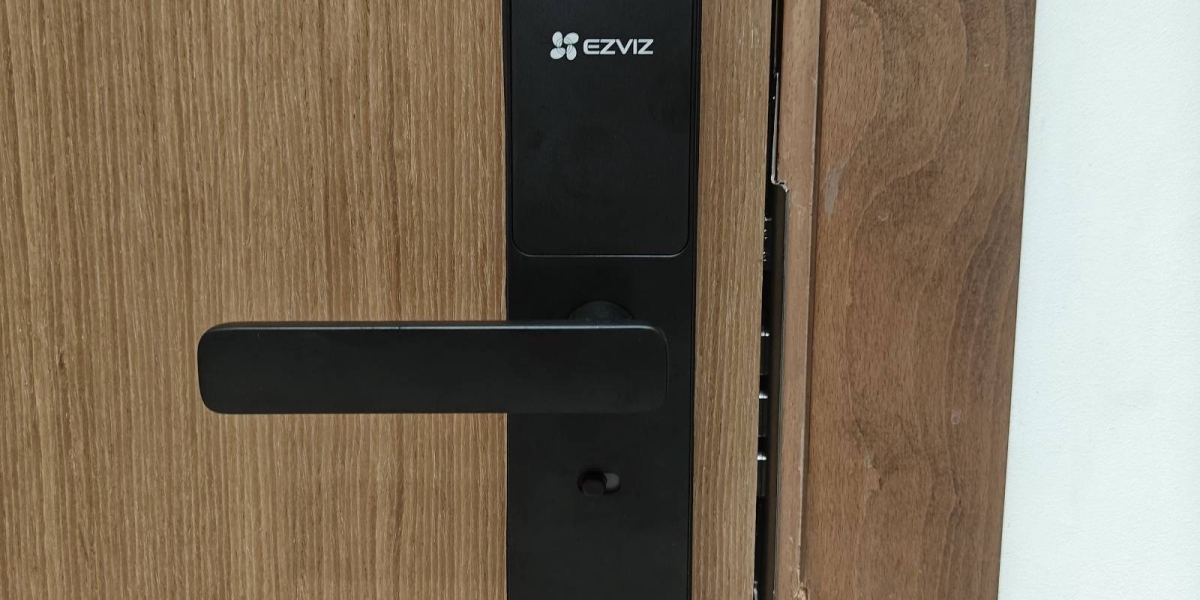

Smart locks are becoming increasingly common in Dubai homes, villas, apartments, offices, and other properties. They provide convenient access through methods such as fingerprints, PIN codes, cards, mobile applications, and other digital credentials. However, installing a smart lock is not always as simple as removing an old lock and fitting a new one.
One of the biggest challenges can arise when a door has a non-standard locking system.
A non-standard door may have an unusual lock body, uncommon dimensions, a multi-point mechanism, an imported locking system, or hardware that does not match the specifications of commonly available smart locks. In these situations, professional assessment becomes particularly important.
For property owners searching for smart lock installation in Dubai, understanding how professionals approach non-standard doors can help avoid compatibility problems and unnecessary modifications.
What Is a Non-Standard Door Lock?
A non-standard door lock is generally a locking setup that does not follow the dimensions or mechanism commonly supported by a particular smart lock.
This does not necessarily mean that the door is old or defective.
A non-standard setup may simply have:
- Different lock dimensions
- An unusual cylinder
- A specialised mortise mechanism
- Multiple locking points
- Different handle positioning
- Imported door hardware
Because smart locks have specific installation requirements, these differences need to be checked before installation.
Why Smart Locks Cannot Simply Be Installed on Every Door
Smart locks are manufactured around particular mechanical configurations.
Before installation, professionals may need to check:
- Door thickness
- Lock body dimensions
- Cylinder position
- Backset
- Handle location
- Door frame alignment
- Available internal space
If the existing mechanism does not match the smart lock, direct installation may not be possible.
In some situations, an adjustment can solve the problem. In others, a different smart lock model may be more suitable.
The First Step: Inspecting the Existing Door
Professional installation begins with an assessment rather than immediately drilling or removing hardware.
The technician examines the existing door and lock to understand its construction.
Important areas include:
Existing Lock Mechanism
The professional identifies whether the door uses a mortise, cylinder, deadbolt, multi-point, or another mechanism.
Door Dimensions
Measurements help determine which smart locks may physically fit.
Door Material
Wood, metal, composite, and reinforced doors can require different installation approaches.
Lock Position
The location of the existing lock and handle can affect smart lock placement.
This inspection provides a foundation for deciding how the installation should proceed.
Non-Standard Mortise Locks
Mortise locks are commonly integrated into the door rather than simply mounted onto its surface.
A smart lock designed for a particular mortise configuration may not directly match another system.
Potential issues include:
- Different mortise dimensions
- Different spindle positions
- Different latch arrangements
- Different cylinder measurements
A professional installer compares the existing mechanism with the smart lock requirements before making modifications.
Multi-Point Locking Systems
Some doors use multiple locking points along the edge of the door.
Instead of securing the door at only one location, the mechanism may operate several points simultaneously.
This can create additional considerations for smart lock installation.
The installer may need to determine:
- How the existing mechanism operates
- Whether the smart lock supports it
- Whether the mechanism can be retained
- Whether an alternative compatible solution is required
A professional assessment is especially important before attempting to modify such a door.
Unusual Cylinder Sizes
The cylinder is another component that can create compatibility issues.
Different doors can use cylinders with varying:
- Lengths
- Profiles
- Fixing arrangements
If a smart lock is designed for a particular cylinder configuration, the existing cylinder may need to be replaced or adapted.
Professionals check these measurements before installation to avoid selecting an unsuitable system.
Door Thickness Can Affect Installation
Smart locks have installation ranges.
If a door is significantly thicker or thinner than the supported range, the lock may not fit correctly.
Potential problems include:
- Loose components
- Incorrect screw positioning
- Poor internal alignment
- Difficulty operating the lock
Accurate measurements help determine whether the existing smart lock can be installed or whether another model is required.
Handle and Lock Positioning
The position of the existing handle can also affect the installation.
For example, some smart locks require a specific amount of space between the handle and locking mechanism.
If components are positioned too close together, installation may become difficult.
A professional checks the complete hardware layout rather than looking at the lock in isolation.
When Modification May Be Required
Not every non-standard door requires a completely different smart lock.
In some situations, professional adjustments may make installation possible.
Depending on the door and lock system, modifications could involve:
- Adjusting hardware
- Changing a cylinder
- Correcting alignment
- Preparing mounting points
- Replacing incompatible components
Any modification should be carried out carefully because unnecessary changes can affect the door's structure or existing security system.
When a Different Smart Lock Is the Better Solution
Sometimes the most practical option is choosing a different smart lock.
This may happen when:
- The existing mechanism is incompatible
- Required dimensions cannot be achieved
- The smart lock cannot operate the locking mechanism correctly
- Modification would be excessive
Rather than forcing an unsuitable product onto the door, a professional can identify an alternative that better matches the existing setup.
What If the Customer Already Bought the Smart Lock?
This situation is common.
A homeowner may purchase a smart lock online after seeing its features, only to discover that the door uses a different locking mechanism.
Professional installers can inspect the purchased product and determine whether it is suitable.
Useful information to provide before the appointment includes:
- Smart lock brand
- Model number
- Product photographs
- Door photographs
- Existing lock photographs
- Door measurements if available
This can make the compatibility assessment easier.
Professional Installation and Door Alignment
Even when the smart lock is technically compatible, door alignment still matters.
If the door does not close correctly, the smart lock may experience resistance when engaging the locking mechanism.
Potential signs include:
- Locking requires extra force
- Motor sounds strained
- Door does not close evenly
- Bolt does not enter smoothly
An experienced installer checks alignment and addresses relevant issues before final testing.
Testing a Non-Standard Smart Lock Installation
Testing is particularly important when a door has unusual hardware.
After installation, the professional can check:
- Manual locking
- Digital unlocking
- Fingerprint access
- PIN access
- Mobile application functions
- Mechanical backup access
The exact tests depend on the smart lock model.
The objective is to make sure the lock works correctly with the door rather than simply confirming that the device powers on.
Smart Locks for Apartments With Unusual Doors
Dubai apartments can have different door designs and locking systems.
Before upgrading an apartment door, homeowners should confirm:
- The smart lock fits the existing hardware
- The door can accommodate the installation
- Any relevant building requirements are understood
A professional assessment can identify potential issues before installation begins.
Smart Locks for Villa Doors
Villa doors may have larger dimensions, multiple locking points, or specialised hardware.
This can make compatibility particularly important.
Professional installers can evaluate whether the existing mechanism can work with the selected smart lock or whether a different configuration is required.
Smart Locks for Offices
Office doors can also have unusual configurations, especially where access control has previously been installed.
A smart lock upgrade may need to consider:
- Existing access systems
- Multiple users
- Restricted areas
- Door hardware
The objective is to upgrade access without creating unnecessary disruption to the existing security arrangement.
Mistakes to Avoid With Non-Standard Locks
Buying a Smart Lock Without Checking the Door
A product's features do not guarantee compatibility.
Assuming Similar Locks Have Identical Dimensions
Two locks may look similar but use different mechanisms.
Modifying the Door Without Technical Knowledge
Unnecessary drilling or cutting can damage the door or hardware.
Skipping Final Testing
A smart lock should be tested using its available access methods after installation.
Why Professional Experience Matters
Non-standard doors require a more careful approach than straightforward installations.
An experienced installer understands how to assess:
- Mechanical mechanisms
- Door dimensions
- Lock compatibility
- Alignment
- Digital configuration
This can reduce the likelihood of installing an unsuitable system or making unnecessary modifications.
For homeowners and businesses searching for smart lock installation Dubai, professional assessment is particularly useful when the door has an unusual or specialised locking arrangement.
Frequently Asked Questions
Can a smart lock be installed on a non-standard door?
It depends on the existing mechanism and the smart lock model. A professional compatibility assessment can determine the available options.
What if my smart lock does not fit my existing lock?
The installer can assess whether the existing hardware can be adjusted or whether another compatible smart lock is required.
Do multi-point locks support smart locks?
Some may, but compatibility depends on the specific mechanism and smart lock design.
Should I modify my door myself before installation?
It is better to have the door assessed professionally before making modifications.
Can an installer fit a smart lock that I purchased online?
In many cases, yes, provided the product is compatible with the existing door and lock system.
Final Thoughts
Non-standard door locks do not necessarily prevent property owners from upgrading to smart security. However, they do require more careful planning.
Door thickness, lock dimensions, cylinder configuration, handle position, alignment, and existing mechanisms can all affect installation.
A professional installer first evaluates the door, checks compatibility, and determines whether the existing system can be adapted or whether a different smart lock would be more suitable.
For anyone considering smart lock installation in Dubai, professional assessment is especially valuable when dealing with unusual or specialised door hardware. The goal is not simply to install a digital lock, but to ensure that the complete door and locking system continues to operate reliably after the upgrade.