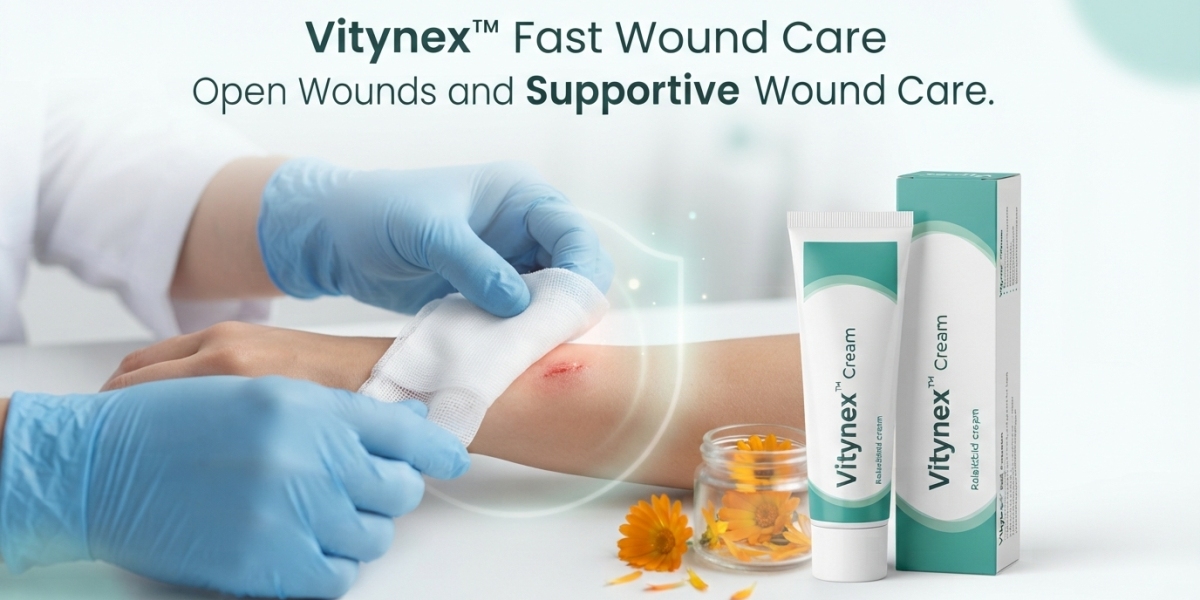

Choosing a topical product for an injured area is not simply about finding the cream that promises the fastest results. Good wound care starts with cleaning the injury, protecting it from contamination, maintaining an appropriate moisture balance, and recognizing when professional care is needed. For people comparing the best healing cream for skin, the most useful approach is to look at how the product fits into a complete wound-care routine rather than relying on marketing claims alone. Modern dermatology guidance supports keeping many minor wounds clean, moist, and covered while they repair.
What Makes a Wound-Care Cream Supportive?
A supportive topical product should complement the body's natural repair process. The skin needs an environment that protects newly forming tissue from friction, excessive drying, and repeated injury. For minor cuts and scrapes, dermatologists commonly recommend gentle cleansing followed by a moisture-supporting ointment or suitable dressing. A cream should therefore be considered as one part of care, not a substitute for cleaning, dressing changes, or medical assessment when an injury is serious.
Moisture Balance and the Healing Environment
Allowing a minor wound to become excessively dry can encourage scab formation and may slow the movement of new skin cells across the injured area. The American Academy of Dermatology recommends keeping minor cuts and scrapes moist with petroleum jelly and covering them with a bandage. The goal is not to make the wound wet, but to maintain a protected, appropriately moist environment.
Why Oxygen Matters
Oxygen is involved in several stages of tissue repair, including collagen formation, cellular activity, and defense against infection. That is why modern wound-care approaches pay attention to the wound environment and tissue oxygenation. However, topical products should not be presented as a replacement for medical treatment of wounds with poor circulation, infection, significant tissue damage, or other complications.
How to Evaluate a Skin-Healing Cream
When comparing the best healing skin cream, consider its intended use, ingredients, directions, evidence, and safety limitations. A product intended for everyday minor injuries may not be appropriate for an infected wound, deep puncture, or serious burn. Look for clear instructions about application, dressing use, and situations in which the product should be stopped or a clinician consulted.
Match the Product to the Injury
The location and type of injury matter. A small scrape on an arm, a superficial burn, and a post-procedure wound can require different care plans. Facial skin can also be more sensitive and cosmetically important, so products used there should be chosen carefully and according to their labeled directions. If a wound involves significant bleeding, exposed deeper tissue, or rapidly worsening symptoms, professional evaluation is more important than choosing a topical cream.
Supporting Wound Care for the Face and Other Sensitive Areas
When people search for the best skin healing cream for face, they should first determine whether the skin is merely dry or irritated or whether there is an actual open wound. For a minor facial injury, gentle cleansing and protection are important. Products should be used only as directed, especially near the eyes, lips, or other sensitive areas. If a facial wound is deep, badly contaminated, caused by an animal or human bite, or showing signs of infection, medical assessment is appropriate.
A Simple Routine for Minor Cuts and Scrapes
Start by washing your hands. Gently clean the wound and surrounding skin with mild soap and water, avoiding aggressive scrubbing. Remove visible debris without causing additional tissue damage. Apply an appropriate moisture-supporting topical product if indicated, then cover the area with a clean dressing. Change the dressing as needed to keep the wound protected and follow the product's directions. These basic steps are consistent with dermatology guidance for minor wounds.
Choosing a Product for Everyday Skin Repair
A best cream for skin healing should be selected according to the wound's condition rather than a single headline claim. Useful questions include: Is the product intended for this type of injury? Does the label explain how to use it? Can it be used with the dressing or treatment plan being followed? Does it clearly state when medical advice is needed? These questions help consumers separate a supportive wound-care product from a general moisturizer or a product intended for a different purpose.
Where Vitynex™ Fits Into Supportive Wound Care
Cura Pep describes Vitynex™ Cream as a topical, calendula-based wound-care product designed around a moist, oxygen-supportive environment. The company's product page lists minor cuts, scrapes, skin tears, and burns among its intended uses, and also describes use after certain procedures or for selected non-infected chronic wounds with clinician guidance. It is for external use and is not intended for deep punctures, heavy bleeding, infected wounds, or third-degree burns.
Understanding Fast-Healing Claims
When searching for a fast healing cream for open wounds, it is important to understand what “fast” means. Healing time depends on wound size and depth, location, blood supply, infection status, general health, and the quality of wound care. No topical cream can guarantee a particular healing time for every person. Evidence-based wound care focuses on creating appropriate conditions for repair while identifying problems early.
When Faster Healing Requires More Than a Cream
Some wounds need treatment beyond topical care. Deep wounds, wounds with uncontrolled bleeding, severe burns, infected wounds, bites, puncture injuries, or wounds that are not improving should be assessed by a healthcare professional. People with complex or chronic wounds may also need a structured plan involving dressings, pressure relief, circulation management, debridement, or treatment of an underlying condition. For burns, the American Academy of Dermatology advises prompt cooling with cool tap water for minor first-degree burns and medical evaluation for more serious injuries.
Signs That a Wound Needs Medical Attention
Seek medical advice if redness spreads, swelling or pain increases, drainage or odor develops, fever occurs, the wound becomes deeper, or healing appears to stall. Immediate care is especially important for severe bleeding, deep punctures, serious burns, or injuries with exposed bone, tendon, or other deeper structures. A wound that looks minor initially can also worsen, so monitoring is part of good care.
A Practical Takeaway for Better Wound Care
Effective wound care is less about finding a single “miracle” cream and more about using the right product for the right injury within a consistent routine. Clean the wound gently, maintain an appropriate moist and protected environment, change dressings as directed, and watch for signs of infection or delayed healing. For people researching topical options, Cura Pep's Vitynex™ is one product positioned around moisture and oxygen support, with specific exclusions and clinician-guided uses that should be followed.
Conclusion
Understanding wound healing makes it easier to evaluate topical products realistically. A supportive cream may help maintain the wound environment, soothe injured skin, and work alongside appropriate dressings, but the foundation remains clean of wound care, protection, and timely medical attention when needed. Whether the injury is a minor scrape, cut, or burn, choose products according to their intended use and follow their directions carefully. For complex, infected, deep, or slow-healing wounds, professional guidance should take priority over self-treatment.