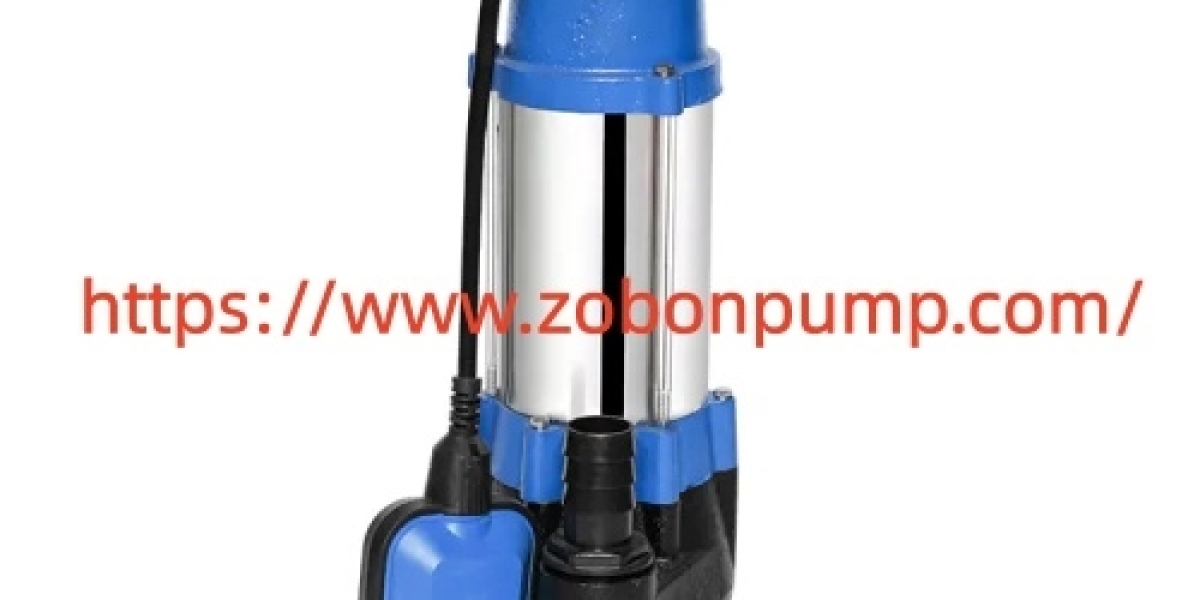

High Pressure Water Pump selection requires careful attention to the conditions under which the equipment will operate. Buyers should look beyond a catalog image or basic motor rating and consider required flow, operating pressure, liquid temperature, construction materials, electrical conditions, installation space, duty cycle, and maintenance expectations. Having these details prepared before contacting a manufacturer can make the sourcing process clearer and help avoid configuration issues later.
The first consideration is the actual purpose of the equipment. A cleaning installation may require different operating characteristics from an irrigation arrangement, circulation system, spraying line, or industrial processing facility. Buyers should identify the required output and determine how frequently the equipment will operate. Continuous duty, intermittent use, seasonal operation, and occasional service can place different demands on components and motor selection.
Flow requirements deserve careful attention because the required volume can influence the suitable configuration. At the same time, pressure requirements should be considered alongside pipe length, elevation changes, fittings, valves, nozzles, filters, and other resistance within the installation. Looking at one figure without considering the complete system can result in a configuration that does not match actual working conditions. A manufacturer can assess these factors more effectively when buyers provide realistic operating information.
The characteristics of the liquid should also be communicated clearly. Temperature, viscosity, suspended particles, chemical content, and cleanliness may influence material selection and component compatibility. A clean liquid used for general service can have different requirements from a medium containing particles or substances that may affect seals and internal surfaces. Buyers should therefore provide accurate information about the medium instead of assuming that one configuration will suit every application.
Motor and electrical requirements are another important part of the purchasing discussion. Voltage, frequency, phase, motor capacity, protection requirements, and control arrangements should correspond with the installation environment. If the equipment will be integrated into an automated production line, buyers may also need to discuss sensors, control cabinets, variable speed operation, or other connection requirements. Confirming these details before manufacturing can reduce unnecessary changes during installation.
Physical arrangement matters as well. Buyers should check inlet and outlet dimensions, mounting requirements, available space, connection direction, foundation conditions, and access for inspection. A technically suitable unit may still create installation difficulties if the surrounding layout has not been considered. Providing drawings, photographs, pipe information, or installation dimensions to the manufacturer can make technical discussions more practical.
Maintenance planning should begin during procurement. Buyers can ask about seal replacement, bearing inspection, lubrication requirements, spare components, service intervals, and access to commonly inspected parts. Equipment that is expected to operate frequently should be considered from a lifecycle perspective. Electricity consumption, replacement components, maintenance labor, and potential downtime can all influence the long term cost of ownership.
Material choices can also affect service expectations. Stainless steel, cast components, engineered plastics, and other construction options may be appropriate for different environments. The correct selection depends on the medium, temperature, operating conditions, and project requirements. Buyers should avoid selecting materials based only on appearance or initial purchase cost. A clear technical discussion with the manufacturer can help connect material choices with the intended application.
When comparing suppliers, procurement teams can request performance information, dimensional drawings, motor details, connection specifications, packing arrangements, spare component options, and production information. It is useful to compare quotations based on equivalent technical requirements rather than price alone. This approach gives buyers a clearer understanding of what each proposal includes and helps reduce misunderstandings during order confirmation.
Caifu can support B2B buyers by discussing application conditions and matching product configurations with practical project requirements. Sharing detailed operating information at the quotation stage allows both sides to focus on relevant specifications instead of relying on general assumptions. For buyers reviewing available configurations for cleaning, irrigation, circulation, or industrial applications, the product range can be viewed at https://www.zobonpump.com/product/ as part of the next stage of project planning.