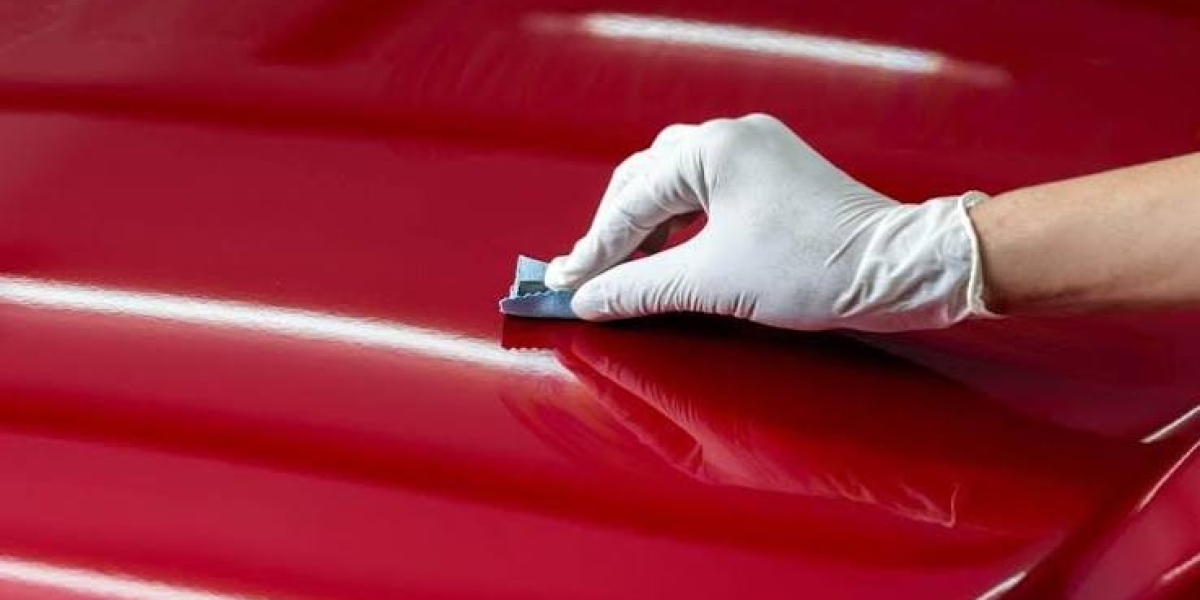

If you want your vehicle to have a deep, glossy, well-protected finish, the preparation before ceramic coating is just as important as the coating itself. For drivers considering car detailing dallas, one of the most important questions is whether paint correction should be performed before ceramic coating. In most cases, the answer depends on the condition of the paint, the age of the vehicle, and the level of finish you want. Paint correction can remove or reduce swirl marks, light scratches, oxidation, water spots, and other surface imperfections before a ceramic coating is installed. Because ceramic coating is transparent and designed to remain bonded to the paint for an extended period, applying it over defects can leave those imperfections visible underneath the coating.
What Is Paint Correction?
Paint correction is a professional polishing process designed to improve the appearance and clarity of a vehicle's painted surfaces. Rather than simply adding shine with wax or a sealant, a detailer uses specialized machine polishers, pads, and compounds to carefully reduce imperfections in the clear coat.
Common defects that paint correction can address include:
- Swirl marks
- Light scratches
- Water spots
- Oxidation
- Paint haze
- Wash-induced marring
- Light surface imperfections
- Dull or faded-looking paint
The process does not mean repainting the vehicle. Instead, controlled polishing works on the existing clear coat to create a smoother, more reflective surface.
The amount of correction required varies significantly. A relatively new vehicle that has been carefully maintained may only need a light one-step polish. An older vehicle with years of automatic car-wash use, improper washing, oxidation, and visible scratches may require multiple correction stages.
Why Paint Correction Should Usually Come Before Ceramic Coating
Ceramic coating is intended to protect and enhance properly prepared paint. It is not a replacement for paint correction.
A ceramic coating can improve gloss, hydrophobic behavior, chemical resistance, and ease of maintenance, but it generally does not remove existing scratches or swirl marks. If defects remain when the coating is applied, those defects can remain visible beneath the transparent protective layer.
Think of the process like preparing a wall before applying a clear protective finish. If the surface contains imperfections, putting a transparent layer over it will not magically make those imperfections disappear.
That is why professional preparation generally follows this order:
- Thoroughly wash the vehicle.
- Chemically and mechanically decontaminate the paint.
- Inspect the paint under appropriate lighting.
- Determine the appropriate correction level.
- Perform paint correction or polishing.
- Remove polishing residue and oils.
- Prepare the surface for coating.
- Apply the ceramic coating.
- Allow the coating to cure according to the manufacturer's requirements.
This sequence gives the coating a properly prepared surface to bond to and allows the final appearance to reflect the quality of the correction work.
When Should You Get Paint Correction Before Ceramic Coating?
The best time to get paint correction is immediately before the ceramic coating installation, after the vehicle has been thoroughly cleaned and decontaminated.
However, the amount of correction you need depends on the vehicle.
1. When Your Vehicle Has Swirl Marks
Swirl marks are among the most common reasons for performing paint correction before ceramic coating. They often appear as fine circular or spider-web-like marks when the paint is viewed under direct sunlight or strong inspection lighting.
They can result from:
- Automatic car washes
- Dirty wash mitts
- Improper drying
- Aggressive wiping
- Contaminated towels
- Poor washing techniques
If your vehicle has noticeable swirls, applying a ceramic coating without addressing them first may preserve the appearance you are trying to improve.
2. When You Have Light Scratches
Paint correction can reduce or remove many scratches that are confined to the clear coat.
However, not every scratch can safely be polished away. If a scratch penetrates deeply through the clear coat and into the underlying paint layers, correction alone may not completely remove it.
A professional inspection is therefore important before deciding how aggressively to polish the vehicle.
3. When the Paint Has Water Spots
Dallas-area vehicles can encounter mineral deposits from water, sprinklers, washing, and other environmental sources. If water dries on the vehicle repeatedly, deposits can remain on the surface and, in some circumstances, etch into the finish.
Light water-spot defects may respond well to polishing, while severe etching may require more extensive correction or, in extreme cases, additional refinishing.
This is another reason to evaluate the paint before choosing a ceramic coating package.
4. When Your Paint Looks Dull or Hazy
A vehicle does not necessarily need visible scratches to benefit from paint correction.
If the paint looks cloudy, hazy, oxidized, or lacks the depth and reflection it once had, polishing may restore significant clarity.
A ceramic coating applied afterward can then help protect the improved finish.
5. Before Coating an Older Daily Driver
Older daily drivers generally accumulate more surface imperfections than vehicles that are carefully stored and maintained.
If your car has spent years exposed to:
- Sunlight
- Road dust
- Traffic pollution
- Improper washing
- Bird droppings
- Tree sap
- Water spots
- Frequent automatic car washes
a professional inspection may reveal that some level of correction is worthwhile before ceramic coating.
Does a Brand-New Car Need Paint Correction?
A new vehicle does not automatically require aggressive paint correction.
However, "new" does not always mean "perfect."
Vehicles can experience transportation, dealership washing, storage, handling, or other processes before reaching their owners. Light marring, swirl marks, polishing haze, or water spots can sometimes be present even on relatively new vehicles.
For that reason, the better approach is to inspect the paint rather than automatically choosing either "full correction" or "no correction."
A newer vehicle in excellent condition might need:
- Decontamination
- A light finishing polish
- Panel preparation
- Ceramic coating
Another new vehicle with visible defects might require a more substantial one-step or multi-stage correction.
How Many Paint Correction Stages Do You Need?
There is no universal correction level that works for every vehicle.
One-Step Paint Correction
A one-step correction is often appropriate for vehicles with relatively light defects.
It can improve:
- Light swirl marks
- Minor haze
- Fine marring
- General gloss and clarity
The objective is usually to achieve a significant visual improvement while limiting unnecessary removal of clear coat.
Two-Step Paint Correction
Two-step correction generally involves a more aggressive cutting or compounding stage followed by a refining polish.
This approach may be considered when a vehicle has more noticeable swirls, scratches, oxidation, or other defects that cannot be sufficiently improved with a single finishing step.
Multi-Stage Correction
Heavily neglected vehicles may require additional stages.
However, maximum defect removal should not automatically be the goal. A professional detailer should balance appearance improvement with the condition and remaining thickness of the paint.
The right question is not simply, "How many scratches can you remove?" It is, "What level of correction can be achieved safely while preserving the vehicle's paint?"
Why Dallas Conditions Can Make Paint Preparation Important
Dallas and the surrounding North Texas region expose vehicles to substantial sunlight, heat, dust, road contamination, and changing weather conditions.
Strong sunlight can make paint defects particularly noticeable. Water that dries on hot panels can also leave mineral deposits, while airborne contamination can accumulate on the exterior.
Dallas-focused detailing sources specifically identify sunlight, heat, pollen, airborne grit, and water spots as factors that can contribute to visible paint deterioration.
That does not mean every Dallas vehicle needs aggressive correction. Instead, it reinforces the importance of inspecting the paint and selecting preparation based on its actual condition.
What Happens If You Skip Paint Correction?
Skipping correction is not necessarily disastrous for every vehicle, but it can affect the final appearance.
For example, imagine a black vehicle with noticeable swirl marks. If a ceramic coating is applied without correcting those marks, the coating may add gloss and slickness, but the underlying swirls can remain visible.
The coating is not designed to function like a scratch-removal product.
There is also another consideration: correcting the paint after a ceramic coating has cured generally means dealing with the coating itself. If polishing is required to correct defects later, the coating may need to be removed from the affected area first.
That makes it more efficient to complete the necessary paint correction before applying the coating.
Paint Correction vs. Ceramic Coating
Although these services are frequently purchased together, they perform different jobs.
| Service | Main Purpose |
|---|---|
| Paint correction | Improves paint clarity and reduces surface defects |
| Ceramic coating | Provides a protective, hydrophobic layer over prepared paint |
| Car wash | Removes surface dirt and routine contamination |
| Wax/sealant | Provides temporary paint protection and gloss |
| Paint protection film | Provides physical protection against impacts such as stone chips |
Paint correction is primarily about surface improvement.
Ceramic coating is primarily about surface protection and easier maintenance.
Combining the two can make sense when you want both an improved appearance and longer-term protection.
How to Prepare Your Car for Ceramic Coating
Proper preparation involves more than simply washing the vehicle.
Step 1: Wash
Loose dirt and grime should be removed before the paint is inspected closely.
Step 2: Decontaminate
Iron particles, tar, and bonded contamination may require chemical and mechanical decontamination.
Step 3: Inspect
The paint should be examined under appropriate lighting to identify scratches, swirls, oxidation, water spots, and other defects.
Step 4: Correct
The appropriate polishing system should be selected based on the condition and hardness of the paint.
Step 5: Refine
After cutting or compounding, a finishing polish may be used to maximize clarity and gloss.
Step 6: Panel Prep
Polishing oils and residues need to be removed so the coating can properly interact with the prepared surface.
Step 7: Ceramic Coating
Once the paint is clean, corrected, and properly prepared, the ceramic coating can be installed according to the product's application requirements.
This preparation sequence is widely reflected in professional detailing workflows.
Can Paint Correction Damage Your Clear Coat?
Paint correction involves controlled abrasion, so it should be performed carefully.
The goal is not to remove as much clear coat as possible. Instead, the technician should use an appropriate combination of pad, polish, compound, machine, and technique for the specific paint condition.
Aggressive correction can be unnecessary when a lighter polishing process can achieve the desired improvement.
For this reason, a professional assessment is particularly useful for older vehicles or cars that have already undergone multiple polishing sessions.
How Long Does Paint Correction Take Before Ceramic Coating?
The timeline depends on several factors, including:
- Vehicle size
- Paint condition
- Number of defects
- Paint hardness
- Correction level
- Number of polishing stages
- Decontamination requirements
- Coating system being installed
- Required curing time
A relatively clean vehicle needing a light one-step polish may require considerably less labor than a large vehicle requiring multi-stage correction.
Some Dallas-area detailing providers describe one-step correction as a full-day process and two-step correction as potentially taking one and a half to two days, although actual timing varies by vehicle and service provider.
The important point is that quality paint correction should not be rushed simply to apply the coating sooner.
How Much Does Paint Correction Cost in Dallas?
Paint correction pricing varies based on vehicle size, paint condition, correction level, labor, and the detailer's process.
Current Dallas-area published examples show substantial variation. One directory currently reports published Dallas correction prices ranging from approximately $399 to $1,310 among the businesses it tracks, illustrating why comparing the actual scope of work is more useful than comparing a headline price alone.
When comparing quotes, ask:
- Is decontamination included?
- How many polishing stages are included?
- Is paint inspection included?
- Is panel preparation included?
- Is ceramic coating included?
- What level of defect removal is expected?
- Are deep scratches excluded?
- What type of coating will be installed?
A lower price does not necessarily represent the same service as a higher price.
Should You Get Paint Correction Every Time You Apply Ceramic Coating?
Not necessarily.
If you are replacing an older ceramic coating, the paint should be inspected again. The vehicle may need another correction process, but the amount required depends on how the paint has been maintained and what defects have developed.
Repeated aggressive polishing is not ideal simply because a new coating is being installed.
The goal should be to use the least aggressive correction necessary to achieve the desired finish.
Regular maintenance also matters. Proper washing and drying can reduce the development of new swirl marks and help preserve the corrected finish.
How to Decide If Your Car Needs Correction
Before booking ceramic coating, inspect your vehicle in direct sunlight or under strong inspection lighting.
Look for:
- Circular swirl patterns
- Fine scratches
- Hazy reflections
- Oxidation
- Water-spot etching
- Uneven gloss
- Dull panels
- Heavy contamination
If the paint already looks excellent, a detailer may recommend minimal polishing rather than a major correction.
If defects are obvious, correction before ceramic coating may provide a more appropriate foundation for the coating.
The key is to base the decision on the actual paint condition rather than automatically purchasing the most intensive package.
Final Thought
Paint correction is best viewed as the preparation stage that helps ceramic coating deliver the appearance and protection vehicle owners expect. For Dallas drivers, inspecting the paint, removing contamination, reducing appropriate defects, and properly preparing the surface before coating can make the entire process more effective. Whether your vehicle needs a light polish or more extensive correction, the objective should be a clean, refined surface that is ready for long-term protection. For professional vehicle care and detailing solutions, Get Detail Flow can be part of your consideration when planning your next paint correction and ceramic coating service.
Frequently Asked Questions
1. Is paint correction necessary before ceramic coating?
Not every vehicle requires extensive correction, but the paint should be inspected and properly prepared before coating. Vehicles with noticeable swirls, scratches, oxidation, or water-spot etching can benefit from correction first.
2. Can ceramic coating hide swirl marks?
No. Ceramic coating is transparent and does not function as a permanent scratch-removal process. Existing defects can remain visible beneath the coating.
3. Should I get one-step or two-step paint correction?
It depends on the condition of your paint and the appearance you want to achieve. One-step polishing can be appropriate for light defects, while two-step correction may be considered for more substantial defects.
4. Can paint correction remove deep scratches?
Only if the defect is within a safely correctable portion of the clear coat. Scratches that penetrate deeper into the paint layers may require touch-up or body repair rather than polishing alone.
5. Does a new car need paint correction before ceramic coating?
A new car may need little or no aggressive correction, but it should still be inspected. Transportation, dealership washing, and other handling can introduce minor imperfections before delivery.
6. How long after paint correction can ceramic coating be applied?
In a professional workflow, ceramic coating is generally applied after correction, polishing residue removal, and final surface preparation. The exact timing depends on the coating manufacturer's application requirements and the detailer's process.
7. Does ceramic coating protect against scratches?
Ceramic coating can provide chemical resistance and surface protection, but it should not be considered a substitute for paint protection film against physical impacts such as rock chips.
8. How can I keep corrected paint looking good after ceramic coating?
Use proper washing techniques, clean microfiber towels, suitable automotive shampoo, and regular maintenance. Avoid abrasive automatic car washes and harsh cleaning methods that can introduce new marring.
9. Is paint correction worth doing on a daily driver?
It can be worthwhile when the vehicle has visible paint defects and you want to improve its appearance before adding protection. The appropriate correction level should be based on the car's condition rather than automatically choosing the most aggressive option.
10. What should I ask a Dallas detailer before ceramic coating?
Ask about the inspection process, decontamination, correction stages, expected defect removal, coating product, curing requirements, maintenance instructions, and what the quoted price actually includes.