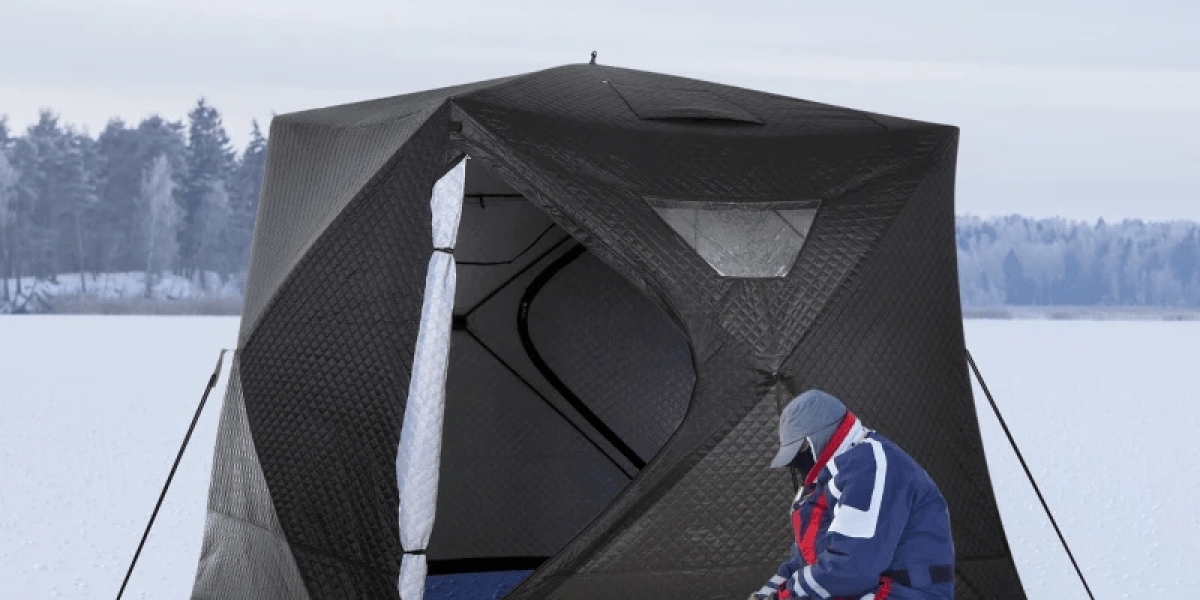

Fishing can be a relaxing way to spend time outdoors, whether you are enjoying a quiet day beside a lake, spending a weekend near a river, or exploring a new fishing location. However, longer fishing trips often require more than rods, reels, and tackle. A fishing tent can provide a convenient place to rest, stay protected from changing weather, organize equipment, and make outdoor adventures more comfortable.
For beginners, choosing a suitable fishing tent may seem complicated because there are many sizes, designs, and features available. Understanding the basic types of fishing tents and the features that matter most can help you select an option that fits your outdoor plans.
What Is a Fishing Tent?
A fishing tent is an outdoor shelter designed to provide protection and temporary accommodation during fishing trips. Depending on the design, it can be used as a sleeping shelter, equipment area, changing space, or place to take a break between fishing sessions.
Some fishing tents resemble traditional camping tents, while others are designed specifically for anglers and may provide extra room for fishing equipment. The right choice depends on whether you plan to fish for a few hours, stay overnight, or take part in longer outdoor adventures.
Dome Fishing Tents
Dome-style tents are a common option for beginners because their structure is relatively simple and generally easy to set up. Their curved shape can provide useful interior space while helping rainwater run away from the top of the shelter.
Dome tents are available in different sizes, from compact models for one person to larger designs for multiple occupants. Their versatility makes them suitable for fishing trips that also involve general camping.
Bivvy-Style Fishing Tents
Bivvy-style shelters are particularly associated with anglers who spend extended periods fishing. They are designed to provide a sheltered area around a sleeping system and fishing equipment.
These tents can offer more usable space than a basic camping shelter and may include features such as spacious entrances, storage areas, and weather-resistant materials. They can be useful for anglers planning overnight or multi-day fishing trips.
One-Person Fishing Tents
Solo anglers may prefer a compact one-person tent. Smaller shelters are generally easier to transport and can take up less space around a fishing spot.
A compact tent can be practical for beginners who are still learning what equipment they actually need for fishing trips. However, it is important to consider whether there is enough room for sleeping equipment, clothing, bags, and essential fishing gear.
Two-Person and Larger Fishing Tents
If you regularly fish with a partner or friend, a two-person or larger tent can provide additional space. Larger tents may also be useful for anglers who prefer to keep equipment inside the shelter.
Extra capacity can improve comfort, but larger tents are usually heavier and may require more setup space. Consider the number of people using the tent and the amount of equipment you expect to bring before choosing the size.
Weather Protection
Weather can change quickly during outdoor fishing trips, so weather resistance is an important consideration. Look for tents made with suitable waterproof or water-resistant materials and designs that provide adequate coverage.
A rainfly can offer an additional layer of protection against rain. Sealed seams, covered entrances, and a properly designed floor can also help reduce the chance of water entering the shelter.
For windy locations, a sturdy frame and reliable anchoring system are especially important. Always secure the tent according to the manufacturer's instructions and avoid setting up in exposed areas during severe weather.
Ventilation
Good ventilation helps reduce condensation and keeps the interior more comfortable. Fishing tents with windows, vents, or mesh panels can allow air to circulate while helping keep insects outside.
Ventilation is particularly important when using a tent overnight. Condensation can develop when warm air inside the tent comes into contact with cooler surfaces, especially in humid conditions.
When selecting a tent, consider how easily the vents can be adjusted based on weather conditions.
Size and Interior Organization
Interior space is an important factor for fishing tents because anglers often carry more equipment than casual campers. Rods, tackle boxes, chairs, clothing, sleeping bags, and other supplies can quickly occupy available floor space.
Consider how your equipment will be organized inside the tent. Some designs include storage pockets or dedicated areas for gear. Keeping equipment organized can make it easier to access essential items without cluttering the sleeping area.
Portability and Setup
Beginners should consider how easy a fishing tent is to carry and assemble. A lightweight tent can be more convenient when walking from a parking area to a remote fishing location.
Check the packed dimensions as well as the overall weight. A tent may be relatively light but still difficult to transport if it packs into a bulky shape.
Simple pole systems, quick-release mechanisms, or pop-up designs can make setup easier, particularly for first-time users. Practice setting up the tent before your first fishing trip so you know how the components work.
Choosing the Right Fishing Tent for Beginners
When selecting a fishing tent, start by identifying how you plan to use it. A beginner who takes short daytime fishing trips may only need a compact shelter, while someone planning overnight adventures may require a larger and more weather-resistant model.
Consider the number of people, expected weather conditions, transportation method, available setup space, and amount of equipment. It is also useful to check the tent's packed size, ventilation, floor design, and included accessories.
A balance between space, portability, durability, and ease of setup can make a fishing tent more practical for beginners.
Fishing Tent Safety Tips
Always choose a suitable location before setting up a tent. Avoid areas that could become flooded, unstable ground, or locations directly beneath dead branches. Keep the entrance and surrounding area clear of fishing equipment and other trip hazards.
Never use fuel-burning cooking or heating equipment inside an enclosed tent because of the risk of fire and carbon monoxide poisoning. In poor weather, follow local safety guidance and be prepared to leave the area if conditions become dangerous.
Conclusion
A fishing tent can make outdoor fishing trips more comfortable by providing shelter, equipment storage, and a place to rest. Beginners can choose from compact one-person tents, versatile dome designs, larger shelters, and bivvy-style options depending on their fishing habits.
Before purchasing, consider size, weather protection, ventilation, portability, setup requirements, and available storage space. Choosing a tent that matches the conditions and duration of your fishing trips can help you enjoy more organized and comfortable outdoor adventures.
FAQs
1. Can a regular camping tent be used for fishing?
Yes. A regular camping tent can work for many fishing trips, particularly when overnight accommodation is needed. However, specialized fishing tents may offer layouts or features better suited to anglers.
2. What should I pack inside a fishing tent?
Essential items can include sleeping equipment, spare clothing, personal supplies, and securely stored fishing gear. Avoid overcrowding the shelter so entrances and ventilation remain accessible.