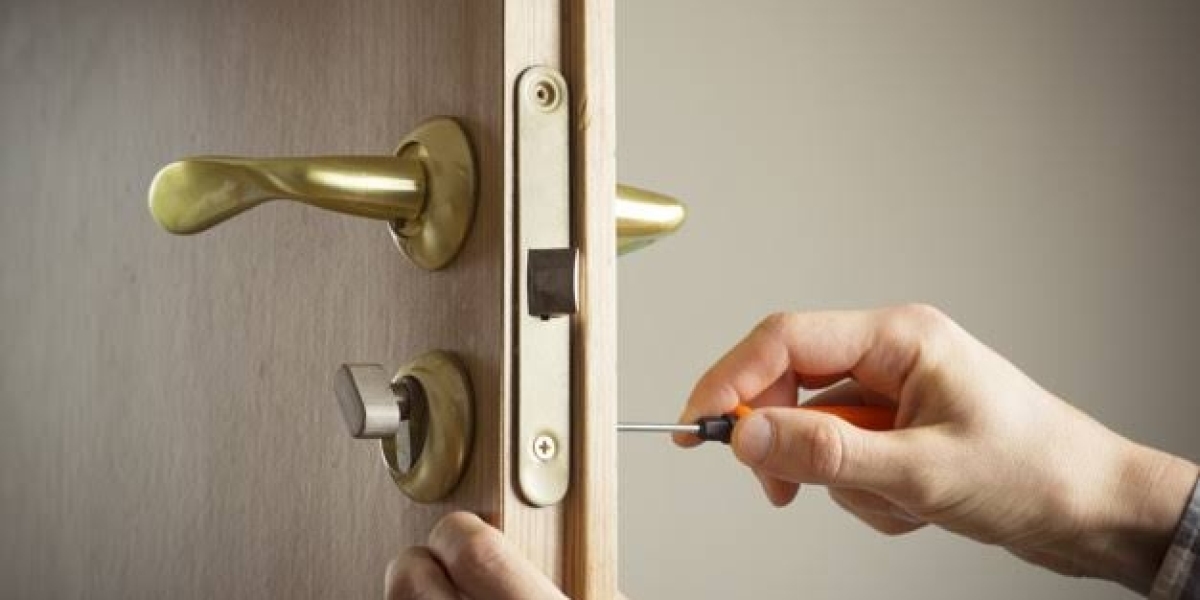

A key can continue to work for years without causing any obvious problems, but regular use gradually affects its condition. The changes are often small at first. You may notice that the key feels slightly rough when entering the lock, takes more effort to turn, or needs to be moved into a particular position before the door opens.
When it is the only working key available, these signs should not be ignored.
A worn key can eventually become difficult to use or, in some situations, break inside the lock. For Dubai homeowners, tenants, landlords, and business owners, dealing with a worn key while it is still usable is usually much easier than waiting until access becomes a problem.
How to Recognise a Worn Key
Keys experience repeated friction every time they are inserted, turned, and removed. Over time, their edges and cuts can become worn.
Some signs are easy to notice, while others develop gradually.
Look for:
- Rounded or flattened key cuts
- Scratches and visible wear
- A bent key blade
- Cracks around the head
- Difficulty entering the lock
- Increasing resistance while turning
- A key that needs to be moved before it works
If the key looks significantly different from when it was new, it is worth considering a replacement before its condition gets worse.
Do Not Wait Until the Key Stops Working
One of the biggest mistakes is continuing to use a worn key simply because it still opens the door.
A key can deteriorate gradually until it becomes unreliable. If you wait until it completely stops working, you may find yourself dealing with the problem at an inconvenient time.
The situation can be particularly difficult if the key belongs to:
- The main entrance
- An apartment door
- A villa entrance
- An office
- A garage
- A security gate
When there is no spare, creating a replacement while the original is still usable can be a sensible precaution.
Compare the Key With a Spare
If another authorised key is available, compare it with the worn one.
A newer or less frequently used key may provide a useful comparison.
Check whether:
- Both keys have the same shape
- The cuts appear similar
- One key looks noticeably more worn
- One turns more smoothly than the other
If the spare works normally while the regularly used key feels stiff, the original key may be the main issue.
However, if both keys behave the same way, the lock itself may need attention.
A Worn Key Can Affect Duplication
The condition of the original key matters when making a duplicate.
A heavily worn key may no longer accurately represent the lock's original configuration. If another key is cut directly from it, the duplicate may reproduce some of those imperfections.
This can result in a spare that works poorly or requires unnecessary force.
For this reason, professional key duplication services in Dubai can be useful when the only available key is showing significant wear. A key specialist can assess the condition of the existing key before deciding whether it is suitable as a duplication reference.
What If the Key Is Bent?
A slightly bent key may still enter the lock, but continuing to use it can increase the risk of damage.
Repeatedly bending or straightening a key can weaken the metal.
If the key is visibly bent, cracked, or damaged, avoid forcing it into the cylinder.
A professional can determine whether the key should be replaced and whether the lock itself is operating correctly.
What If the Key Turns Slowly?
Slow or stiff operation can have several causes.
The problem could involve:
- The key
- Lock cylinder
- Internal mechanism
- Door alignment
- Pressure on the latch or bolt
This is why replacing the key immediately is not always the complete answer.
If a new key operates the lock smoothly, the old key was probably contributing to the problem. If the new key behaves in exactly the same way, the lock or door should also be inspected.
Check Whether the Door Is Creating Pressure
Sometimes the key feels difficult only when the door is closed.
Try to observe whether the lock operates differently when the door is open.
If the key turns easily with the door open but becomes difficult after closing the door, the locking mechanism may be experiencing pressure because of alignment.
Other signs can include:
- The door needs to be pushed before locking
- The latch rubs against the frame
- The bolt does not line up properly
- The handle feels unusual
In this situation, making another key may not resolve the underlying issue.
Avoid Forcing the Key
A stiff key can encourage people to apply more pressure.
This is risky.
If the key bends or breaks inside the cylinder, the original problem can become an emergency access issue.
Instead of forcing the key, stop if the resistance becomes unusual or progressively worse.
If you have another authorised entrance, use it where appropriate and arrange professional assistance.
What Happens If the Key Breaks?
A broken key inside a lock can prevent another key from being inserted.
If this happens, avoid pushing another object into the keyway because this can potentially push the broken section further inside.
A professional locksmith can assess the lock and determine the appropriate way to deal with the broken key.
After removal, the condition of both the key and cylinder can be assessed to determine whether a replacement key or lock-related service is needed.
Making a Spare Before It Becomes an Emergency
If your only key still works but is visibly worn, this can be the ideal time to arrange a spare.
Having an additional authorised key can provide a backup if the original is lost or damaged later.
A good spare-key arrangement is particularly useful for properties where:
- Several family members need access
- Staff require entry
- A landlord manages the property
- A property manager has authorised access
- The main entrance is used frequently
The number of copies should be based on actual access requirements rather than creating unnecessary duplicates.
What If You Have No Spare at All?
If the only working key is becoming unreliable, do not assume that losing it means the entire lock has to be replaced.
Depending on the lock and key type, a professional may be able to create a suitable replacement while the existing key or lock provides useful information.
The available solution depends on the particular locking system.
Standard residential keys may be straightforward, while high-security or specialised systems can require different equipment or procedures.
High-Security Keys Need Extra Care
Some properties use restricted or high-security key systems.
These keys may have specialised profiles and duplication requirements.
If your key has unusual markings, a distinctive profile, or belongs to a controlled key system, do not assume that an ordinary key-cutting process will be appropriate.
A professional can identify the key type and explain what options are available.
What Dubai Homeowners Should Check
Dubai properties can have a wide variety of locking systems.
A villa might have separate keys for the main entrance, side door, garage, and gate. An apartment may have a main door lock combined with building or access-control systems.
Before replacing a worn key, identify exactly which entrance it operates.
Also consider whether other authorised keys already exist.
This can help determine whether you need one replacement, several duplicates, or a wider review of the property's locks.
What If the Lock Is Also Old?
If both the key and lock are old, replacing only the key may not provide a long-term solution.
An older cylinder can develop internal wear that makes even correctly cut keys harder to operate.
Signs may include:
- Multiple keys becoming stiff
- Key movement feeling loose
- Increasing resistance
- Difficulty removing the key
- Inconsistent locking
A professional can inspect the cylinder and explain whether key replacement, repair, rekeying, or lock replacement is appropriate.
Keep the New Spare Safe
Once a replacement key has been made, think about where it will be kept.
Avoid leaving an identifiable spare key in an obvious location.
If another person receives a copy, make sure they are authorised to have access.
For properties with several users, keeping a basic record of issued keys can make future access management easier.
When Should You Contact a Locksmith?
You do not need to wait until you are locked out.
Professional assistance is worth considering when:
- The only key is visibly worn
- The key is becoming harder to turn
- The key is bent or cracked
- Several keys have the same problem
- The lock works inconsistently
- The door needs to be pushed to operate the lock
- The key gets stuck
- You are concerned that the key may break
A locksmith can assess whether the problem is with the key, cylinder, door alignment, or another component.
If the issue involves more than simply making a spare, professional locksmith services in Dubai can help determine the appropriate solution before the situation becomes an emergency.
Frequently Asked Questions
Can a worn key still be duplicated?
It may be possible, but a heavily worn key is not always the best template. A professional can assess its condition before creating a duplicate.
Should I replace my key if it is becoming difficult to turn?
If the key is visibly worn and a spare operates normally, replacing it can be sensible. If every key is difficult, the lock should also be checked.
Can a key break inside the lock because it is worn?
A damaged or weakened key can be more vulnerable to breaking, particularly if excessive force is applied.
Should I force a stiff key?
No. Forcing it can bend or break the key and potentially create a more difficult lock problem.
What if I have no spare key?
Depending on the lock type, a professional may be able to create a replacement using the existing lock or available key information.
Do I need to replace the whole lock?
Not necessarily. The appropriate solution could be a new key, lock repair, rekeying, or replacement depending on the actual cause.
Final Thoughts
Your only working key should not be treated as reliable simply because it still opens the door. Visible wear, increasing stiffness, bending, or inconsistent operation can all be signs that it is time to take action.
The safest approach is to address the issue while the key is still usable. Compare it with a spare if one exists, avoid forcing it, and consider professional assessment if the problem is getting worse.
For Dubai residents, arranging a replacement or spare key before the original fails can save considerable inconvenience. It also gives a professional an opportunity to determine whether the key itself is worn or whether the lock and door require attention.
A small warning sign today can therefore be much easier to deal with than a broken key and locked door tomorrow.










