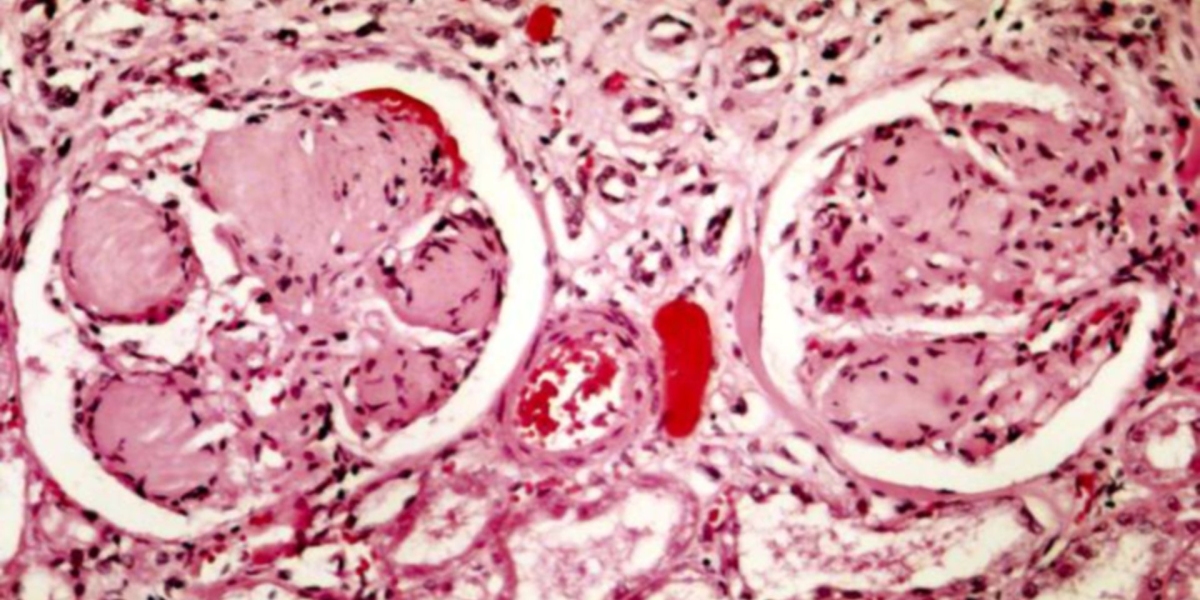

Rare kidney diseases can involve complex genetic, immune, or inflammatory processes, making diagnosis and management highly individualized. APOL1-associated kidney disease, C1q nephropathy, and C3 glomerulopathy are different conditions that can affect the kidney's filtering structures and may contribute to protein loss, blood in the urine, reduced kidney function, or other complications.
Understanding the available approaches to care can help patients and families have informed conversations with their healthcare teams.
Understanding APOL1-Associated Kidney Disease
APOL1-associated kidney disease is connected to specific variants in the APOL1 gene. These genetic variants can increase the risk of certain kidney diseases, including forms of focal segmental glomerulosclerosis and other protein-spilling disorders.
The approach to APOL1 treatment depends on the individual's kidney condition, disease severity, and overall health. Management may focus on controlling blood pressure, reducing protein loss through the kidneys, monitoring kidney function, and addressing complications associated with chronic kidney disease.
Because APOL1-associated disease has a genetic component, healthcare professionals may also consider genetic evaluation and family history when appropriate. Research into APOL1-related kidney disease continues to explore targeted approaches that could address disease mechanisms more directly.
What Is C1q Nephropathy?
C1q nephropathy is a rare kidney disorder characterized by C1q deposits in the glomeruli. It can present with different patterns of kidney injury and may resemble other protein-spilling glomerular diseases.
There is no single treatment approach that applies to every individual. C1q nephropathy treatment depends on factors such as the patient's clinical presentation, degree of proteinuria, kidney function, and findings from diagnostic evaluation.
Management may involve measures commonly used for protein-spilling kidney diseases, including blood pressure management and strategies to reduce protein loss. In selected cases, physicians may consider therapies that modify immune or inflammatory activity. The appropriate approach depends on the individual's diagnosis and clinical circumstances.
Because C1q nephropathy is uncommon, evaluation by a nephrologist can be particularly important when determining the most appropriate management strategy.
What Is C3 Glomerulopathy?
C3 glomerulopathy, or C3G, is a rare kidney disease associated with abnormal regulation of the complement system. The complement system plays an important role in immune defense, but inappropriate or excessive activation can contribute to damage within the glomeruli.
Patients with C3G may experience proteinuria, hematuria, swelling, high blood pressure, or declining kidney function. The severity and progression of the disease can vary considerably.
The goals of C3 glomerulopathy treatment may include reducing kidney injury, managing protein loss and blood pressure, monitoring kidney function, and addressing abnormalities associated with complement activity. Depending on the individual's condition, clinicians may consider supportive therapies and, when appropriate, treatments directed at the underlying disease mechanisms.
Because C3G involves the complement system, specialized laboratory testing and kidney evaluation may be used to better understand the disease process.
Why Treatment Must Be Individualized
Rare kidney diseases can vary substantially between patients. Two people with the same diagnosis may have different levels of proteinuria, kidney function, symptoms, underlying causes, and rates of disease progression.
For this reason, treatment decisions generally take into account:
- Kidney function and laboratory results
- Amount of protein in the urine
- Blood pressure
- Symptoms and complications
- Findings from kidney biopsy, when performed
- Genetic or complement-related testing when appropriate
- Other medical conditions
- Previous treatment response
A nephrologist can use these factors to develop an individualized monitoring and management plan.
The Role of Kidney Monitoring
Regular monitoring is an important component of care for many rare kidney diseases. Blood and urine tests can provide information about kidney function and protein loss, while blood pressure measurements can help identify another important risk factor for kidney damage.
Depending on the condition, healthcare professionals may also monitor additional markers or perform specialized testing. Changes in laboratory results can help clinicians determine whether the disease is stable or requires further evaluation.
Research and Emerging Approaches
Research into rare kidney diseases continues to improve understanding of their underlying mechanisms. APOL1-associated kidney disease has encouraged research into therapies targeting APOL1-related pathways, while research into C3G continues to examine the role of complement activation.
C1q nephropathy also remains an area of interest because its clinical and pathological features can overlap with other glomerular diseases. Continued research may help improve diagnostic methods and clarify which treatments are most effective for particular patient groups.
Working With a Healthcare Team
People living with rare kidney diseases may benefit from care involving nephrologists and other specialists when appropriate. Patients can ask their healthcare team about the specific type of kidney disease they have, the purpose of recommended tests, potential management options, and how frequently kidney function should be monitored.
Reliable educational resources can also help patients and families understand complicated terminology and prepare questions for medical appointments.
Conclusion
APOL1-associated kidney disease, C1q nephropathy, and C3 glomerulopathy involve different biological mechanisms and require individualized evaluation. Treatment may include supportive kidney care, management of blood pressure and proteinuria, monitoring of kidney function, and disease-specific approaches when appropriate.
Because these are complex and uncommon conditions, treatment decisions should be made with qualified healthcare professionals who can evaluate the individual's medical history, test results, and overall kidney health.