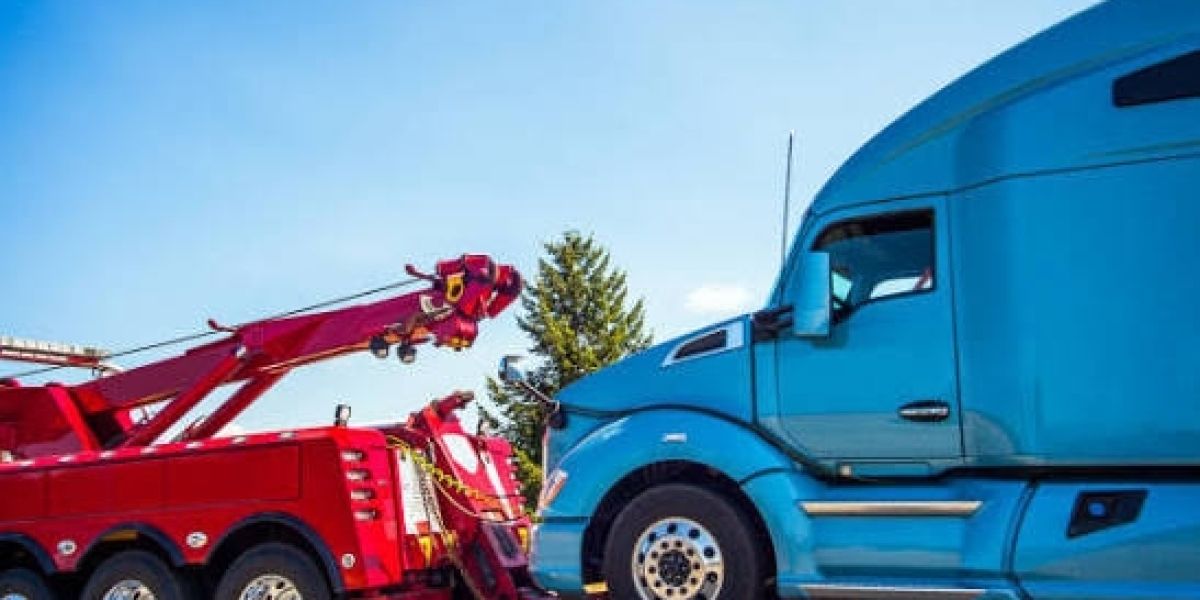

Tow truck insurance is specialized commercial insurance designed to protect towing businesses, tow truck operators, vehicles, equipment, and customers from financial losses associated with accidents, property damage, injuries, and other covered risks. Because tow trucks operate on roads, handle disabled vehicles, and often work in unpredictable conditions, standard personal auto insurance is generally not appropriate for a commercial towing operation. e360 Insurance Services helps towing businesses understand their insurance options and select coverage based on their vehicles, operations, employees, and business risks.
What Is Tow Truck Insurance?
Tow truck insurance is a type of commercial auto insurance created for businesses that use tow trucks as part of their operations. It can provide protection for the towing vehicle, the business, drivers, and third-party property or individuals, depending on the policy.
A towing company may operate different types of equipment, including flatbed tow trucks, wheel-lift tow trucks, heavy-duty wreckers, and other specialized vehicles. Each vehicle and operation can have different insurance requirements.
A tow truck insurance policy may combine several types of coverage to address the risks involved in towing and roadside operations.
What Does Tow Truck Insurance Cover?
The coverage included in a tow truck insurance policy depends on the insurer and policy selected. Common coverage options include the following.
Commercial Auto Liability
Commercial auto liability coverage can help protect a towing business when an insured vehicle is involved in an accident that causes bodily injury or property damage to another party.
For example, if a tow truck operator causes an accident while traveling to a service call, liability coverage may help pay covered third-party claims, subject to policy limits and conditions.
Liability coverage is one of the most important components of commercial tow truck insurance because towing vehicles are used for business purposes and may spend significant time operating on public roads.
Physical Damage Coverage
Physical damage coverage can help protect the tow truck itself from certain covered losses.
It commonly includes:
- Collision coverage
- Comprehensive coverage
Collision coverage may help pay for damage caused by a collision, while comprehensive coverage may address certain non-collision losses such as theft, vandalism, falling objects, or weather-related damage, depending on the policy.
A deductible generally applies before the insurance company pays for a covered loss.
On-Hook Coverage
On-hook coverage is particularly relevant to towing businesses because the company may be transporting a customer's vehicle.
If a customer's vehicle is damaged while it is being towed, on-hook coverage may help address the covered damage, subject to the policy's terms, limits, exclusions, and deductible.
This coverage is different from physical damage coverage for the tow truck itself. The tow truck protects the business's vehicle, while on-hook coverage can provide protection for a customer's vehicle while it is being towed.
Garagekeepers Coverage
Garagekeepers coverage may be useful for towing businesses that store or keep customers' vehicles at their premises.
For example, a towing company may temporarily store a vehicle after an accident or while the owner arranges repairs. If a covered event damages the customer's vehicle while it is in the business's care, garagekeepers coverage may help, depending on the policy.
The exact protection varies by policy and should be reviewed carefully with an insurance professional.
General Liability Insurance
Commercial auto liability primarily addresses covered liability arising from the use of insured vehicles. General liability insurance can address other types of business liability.
For example, a customer could potentially be injured at a towing company's office or storage facility. General liability coverage may help with certain bodily injury or property damage claims that fall within the policy.
Towing businesses should evaluate both commercial auto and general liability coverage rather than assuming one policy addresses every business risk.
Workers' Compensation
If a towing company has employees, workers' compensation insurance may be required under applicable state laws.
Tow truck operators can face workplace risks while loading vehicles, working alongside traffic, handling equipment, or performing roadside services. Workers' compensation can provide benefits for eligible employees who experience work-related injuries or illnesses, subject to applicable laws and policy terms.
Why Do Tow Truck Businesses Need Specialized Insurance?
Tow truck operations involve risks that are different from ordinary passenger vehicle use.
A tow truck may operate:
- Along busy highways
- At accident scenes
- During severe weather
- At night or in low-visibility conditions
- In parking facilities
- At roadside breakdown locations
- While transporting customer vehicles
Operators may also use winches, lifts, chains, straps, and other specialized equipment.
Because of these activities, a towing business should have insurance designed around its actual operations rather than relying on a personal auto policy or generic commercial vehicle coverage.
What Factors Affect Tow Truck Insurance Costs?
The cost of tow truck insurance varies between businesses. Insurers may consider factors such as:
- Type and number of tow trucks
- Vehicle value
- Vehicle age and equipment
- Driving records
- Number of drivers
- Driver experience
- Operating radius
- Claims history
- Types of towing services
- Coverage limits
- Deductibles
- Business location
- Vehicle storage arrangements
A business that operates heavy-duty tow trucks may have different insurance needs and premiums than a company operating a small number of light-duty vehicles.
Providing accurate information about the business can help ensure that the policy reflects the actual exposure.
What Types of Towing Businesses Can Need Insurance?
Tow truck insurance can be relevant to a variety of towing operations, including:
- Independent towing companies
- Roadside assistance businesses
- Accident recovery operators
- Auto repair shops offering towing
- Vehicle recovery companies
- Impound and storage operations
- Light-duty towing businesses
- Heavy-duty towing businesses
The appropriate coverage depends on the services provided and the vehicles and equipment used.
How to Choose Tow Truck Insurance
When reviewing tow truck insurance, businesses should consider more than the premium.
Start by identifying the company's operations and potential exposures. Determine how many vehicles need coverage, what types of towing services are provided, whether customer vehicles are stored, and whether employees operate the trucks.
Then review:
- Commercial auto liability limits
- Physical damage coverage
- On-hook coverage
- Garagekeepers coverage
- General liability
- Workers' compensation requirements
- Deductibles
- Policy exclusions
- Coverage for specialized equipment
- Additional endorsements that may apply
It is also important to review coverage whenever the business adds vehicles, hires new drivers, expands its service area, or introduces new services.
Why Work With e360 Insurance Services?
Choosing appropriate insurance can be complicated because towing businesses have multiple exposures that may require different types of coverage. e360 Insurance Services can help towing businesses review their insurance needs and understand available commercial coverage options.
An insurance professional can help evaluate the company's vehicles, operations, drivers, service area, and potential risks before recommending suitable coverage options.
Final Thoughts
Tow truck insurance provides specialized protection for businesses involved in towing and vehicle recovery. Depending on the policy, coverage may include commercial auto liability, physical damage, on-hook coverage, garagekeepers coverage, general liability, and workers' compensation.
Because every towing operation has different vehicles, drivers, services, and risks, insurance needs should be evaluated individually. e360 Insurance Services can help towing businesses review available coverage options and build an insurance program aligned with their operations and risk exposure.
Frequently Asked Questions
Is tow truck insurance different from regular commercial auto insurance?
Yes. Tow truck operations can involve additional risks, including transporting customer vehicles and storing vehicles. Specialized coverage such as on-hook and garagekeepers coverage may be relevant depending on the business.
Does tow truck insurance cover the customer's vehicle?
It can, depending on the coverage selected. On-hook coverage may provide protection for a customer's vehicle while it is being towed, subject to policy terms, limits, exclusions, and deductibles.
Does tow truck insurance cover the tow truck itself?
Physical damage coverage can help protect the insured tow truck against certain covered collision and non-collision losses.
Do tow truck businesses need general liability insurance?
General liability may be important because commercial auto liability does not address every type of business liability. The appropriate coverage depends on the company's operations and risks.
How much does tow truck insurance cost?
There is no single price for every towing business. Premiums can depend on the vehicles, drivers, location, claims history, coverage limits, deductibles, and type of towing operation.