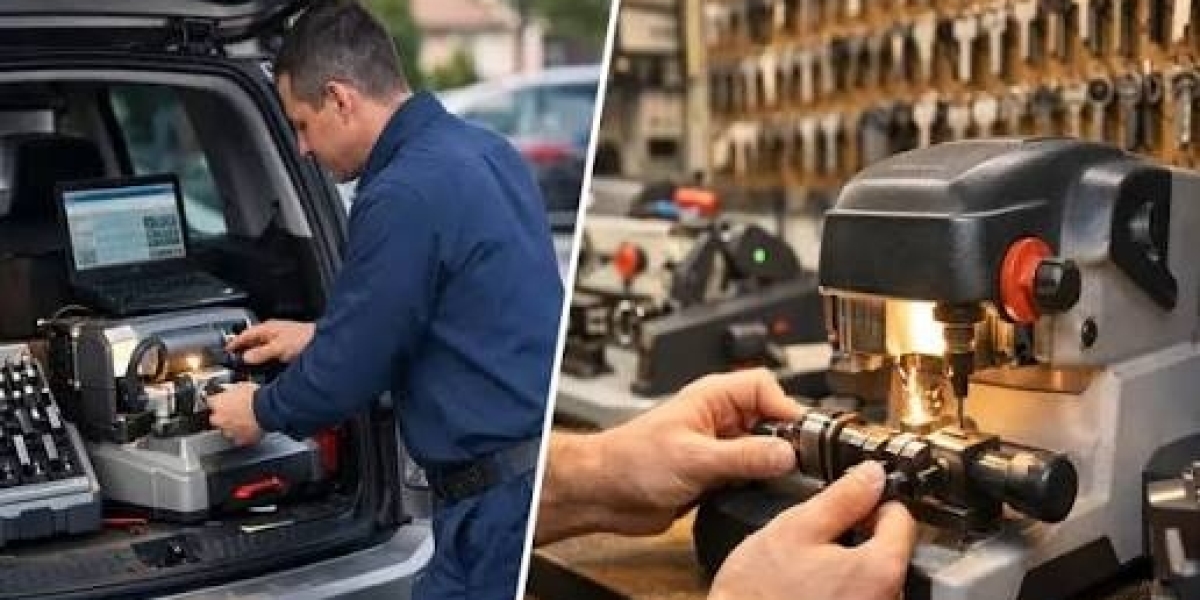

Getting a new key cut should normally be straightforward. You take the original key to a professional key maker, have a duplicate prepared, and expect it to work immediately when you return home. However, sometimes a newly cut key works during a quick check at the service location but fails to operate the lock properly at the property.
This can be confusing, especially when the new key looks almost identical to the original. The problem does not necessarily mean that the key was poorly made. Several factors can affect how a key and lock work together, including the condition of the original key, the accuracy of the duplicate, the lock itself, and even the alignment of the door.
For Dubai residents, understanding these possibilities can help identify the problem without immediately assuming that the entire lock needs to be replaced.
Start by Comparing the New Key With the Original
The first step is to compare the new key with the original that was used as the reference.
Look at the overall shape, grooves, cuts, shoulder, and blade. Small differences may not be obvious at first glance, but even minor variations can affect how the key interacts with the internal components of a lock.
If the original key still operates the door smoothly while the new one does not, the duplicate should be checked first. If both keys have suddenly become difficult to use, the lock or door may be contributing to the problem.
This simple comparison can help establish whether the issue is limited to the new key or affects the complete locking system.
Was the Original Key Already Worn?
One common reason for a poorly functioning duplicate is the condition of the original key.
Keys become worn through repeated use. Their cuts can gradually become less defined, while the edges may become rounded or polished. A worn key may continue to open the lock but no longer provide an ideal reference for duplication.
When a new key is cut from a heavily worn original, some of those imperfections can effectively be reproduced. The result may be a key that looks correct but does not operate as smoothly as expected.
If the original key is old or visibly worn, mention this to the key maker before several copies are produced.
The Key Blank Must Be Correct
A key blank provides the basic physical shape onto which the cuts are made. It needs to match the lock's key profile.
Different locks can use different blanks even when the finished keys appear similar. Differences in width, grooves, shoulder position, blade shape, or profile can affect whether the finished key enters and turns correctly.
Using an unsuitable blank can result in a key that does not fit properly or operates inconsistently.
This is one reason professional key identification is important, particularly when the key belongs to an unusual, imported, older, or specialised lock.
Cutting Accuracy Matters
Even with the correct blank, the cuts need to be accurate.
The internal components of a lock respond to the specific configuration of the key. If the cuts are slightly different from what the lock requires, the key may enter but fail to turn correctly.
A newly cut key can sometimes feel different from the original because of minor cutting variations. If it catches at a particular point or requires extra pressure, it should be checked rather than repeatedly forced.
A key should operate the lock without requiring excessive effort.
Test the Key at the Property
A quick test at the key service location can confirm that the key has been cut and finished properly, but it cannot always reproduce the exact conditions at the property.
The key should be tested in the actual lock where it will be used.
Check whether it:
- Enters the keyway smoothly
- Goes fully into the lock
- Turns without excessive pressure
- Unlocks the door
- Locks the door again
- Comes out without sticking
If it fails at home but appeared fine elsewhere, the actual door and lock need to be considered.
The Lock May Be the Real Problem
Sometimes a new key receives the blame even though the lock itself is worn.
A cylinder can develop internal wear after years of daily use. This may make the lock increasingly sensitive to small differences between keys.
Signs of a worn lock can include:
- Several keys becoming difficult to turn
- The key feeling loose inside the cylinder
- Increasing resistance
- The key occasionally getting stuck
- The lock working inconsistently
If the original key is also becoming difficult to use, making another duplicate may not solve the underlying problem.
Door Alignment Can Change Everything
A door that is slightly misaligned can make a perfectly cut key feel like the problem.
The locking bolt or latch needs to move freely into the corresponding opening in the door frame. If the door has shifted or the strike plate is no longer correctly aligned, the lock may experience pressure when the door is closed.
One useful observation is to test the key while the door is open.
If the new key turns easily when the door is open but becomes difficult when the door is closed, the issue may involve alignment rather than the key itself.
Check the Strike Plate and Locking Point
The strike plate is the part of the frame that receives the latch or bolt when the door closes.
If it has shifted, become loose, or no longer lines up correctly with the locking mechanism, the door may place pressure on the bolt.
You may notice that the door needs to be pushed, pulled, lifted, or held in a particular position before the key turns.
These symptoms are important because repeatedly making new keys will not correct a door alignment problem.
What If the New Key Enters but Will Not Turn?
A key that enters fully but refuses to turn can have several possible causes.
The problem could be related to:
- Cutting accuracy
- Incorrect key blank
- Worn key
- Worn cylinder
- Door pressure
- Internal lock damage
Do not apply excessive force to make the key turn.
A key that becomes stuck or breaks inside the cylinder can turn a relatively simple problem into a more complicated access issue.
What If the Key Turns but Does Not Unlock the Door?
A different problem can occur when the key turns but the locking mechanism does not respond correctly.
The internal components of the lock may be worn or damaged, or the connection between the cylinder and locking mechanism may not be operating properly.
In this situation, repeatedly turning the key is unlikely to solve the problem.
The lock should be inspected to determine whether it needs adjustment, repair, or replacement.
Do Not Immediately Make Another Copy
If a new key fails at home, the first reaction may be to return and ask for another copy.
Sometimes that is the correct solution, but it is better to understand why the first key failed before making another one.
If the original key is worn, making another copy from it may reproduce the same problem. If the lock is damaged or the door is misaligned, additional duplicates will not fix the underlying issue.
A professional assessment can help determine whether the key or the property hardware is responsible.
What Information Should You Take to a Key Maker?
If you return to the key service, take the original and new key together whenever possible.
Explain exactly what happens at the property. For example, tell the professional whether the key:
- Does not enter completely
- Enters but will not turn
- Turns only with pressure
- Works when the door is open
- Gets stuck when the door is closed
- Works differently from the original
These details can make troubleshooting much easier.
If necessary, photographs of the lock and door can also help explain the setup.
When a Specialist May Be Needed
Standard house keys are often straightforward to duplicate, but not every key and lock system is the same.
A professional may be particularly useful when the key belongs to:
- An older lock
- A high-security cylinder
- A restricted key system
- A commercial property
- A specialised door
- A garage or gate system
If you are searching for a Best key maker shop near me, consider not only how close the service is but also whether the professional can identify and handle your particular key type.
What If the Original Key Is Lost?
The situation becomes different when there is no original key available.
Depending on the lock, a professional may be able to determine a replacement solution using the lock itself or available information. The exact approach depends on the type and condition of the locking system.
Some standard locks may have relatively straightforward replacement options, while specialised systems may require specific equipment or procedures.
Providing photographs and information about the lock can help the professional understand what is involved.
When Should the Lock Be Replaced?
A new key that does not work does not automatically mean that the lock needs replacement.
Replacement may become appropriate when the lock is severely worn, damaged, repeatedly failing, or no longer suitable for the property.
If the original key and several correctly cut duplicates all experience the same problem, the lock deserves closer attention.
A professional can assess the condition and explain whether repair, rekeying, or replacement is more appropriate.
Frequently Asked Questions
Why does my new key work poorly at home?
The cause could be the key cutting, the original key being worn, the wrong blank, a worn lock, or door alignment. The actual lock should be tested before assuming the new key is defective.
Why does my key work when the door is open but not closed?
This can indicate pressure or misalignment between the locking mechanism and door frame. The key itself may not be the main problem.
Should I force a new key that does not turn?
No. Excessive force can bend or break the key and may damage the lock.
Can a worn original produce a bad duplicate?
Yes. A heavily worn original may not accurately represent the lock's original configuration, which can affect the duplicate.
Do I need to replace the lock if one new key fails?
Not necessarily. If the original key works correctly, the problem may be limited to the duplicate. If several keys have the same problem, the lock should be inspected.
Final Thoughts
A new key that works at the key-cutting service but fails at home does not necessarily mean that someone made a simple mistake. The issue can involve the duplicate itself, the original key, the lock cylinder, the door frame, or the alignment of the locking mechanism.
Start by comparing the new key with the original and testing both carefully. Pay attention to whether the problem occurs only when the door is closed, whether several keys behave the same way, and whether the lock has become more difficult to operate over time.
Most importantly, avoid forcing a key that does not turn. A little resistance may seem harmless, but continued pressure can result in a bent or broken key.
For Dubai property owners, choosing a professional key service that can look beyond simple duplication can make it easier to identify the real cause. The goal should not simply be to produce another key, but to make sure the finished key works properly with the lock it is intended to operate.