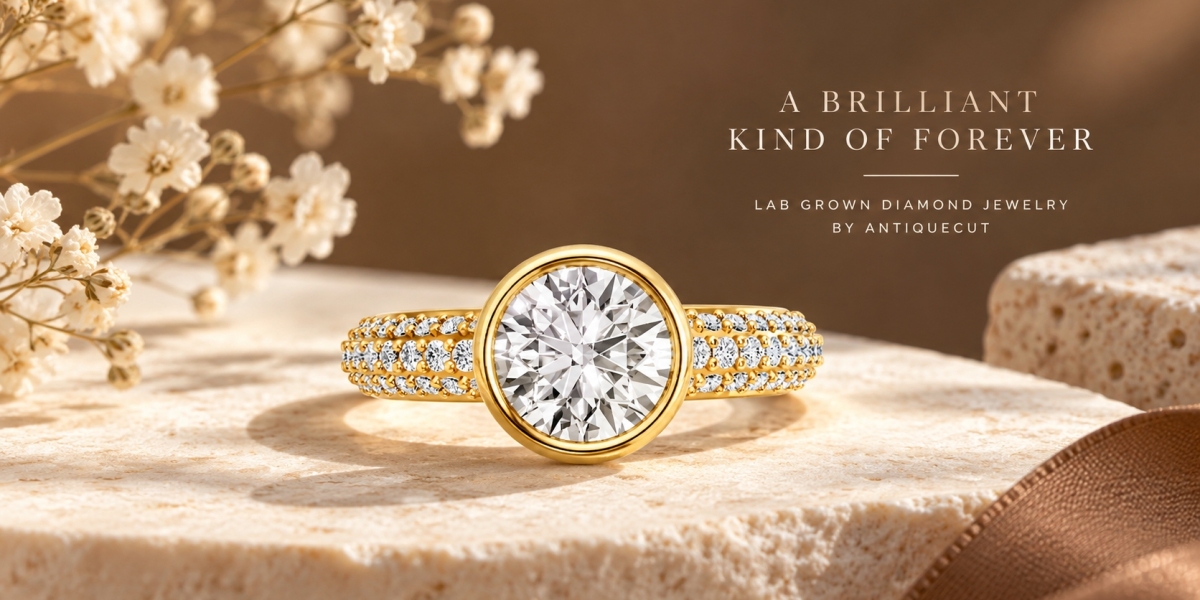

An engagement ring is something many people wear throughout the day, so comfort and practicality matter just as much as appearance. Bezel engagement rings are a popular choice for people who want a secure setting with a clean profile and easy-to-wear design. Instead of holding the diamond with separate prongs, a bezel setting surrounds the outer edge of the stone with a rim of metal. This design can help protect the diamond while creating a smooth surface that is less likely to catch on clothing.
When choosing a ring for everyday use, consider the diamond shape, metal, setting height, band design, and your daily routine. The right combination can make your ring comfortable for work, travel, exercise, and other regular activities.
What Makes a Bezel Setting Practical?
A bezel setting holds the diamond inside a metal border that follows the shape of the stone. This construction offers a different wearing experience compared with traditional prong settings.
One of the biggest advantages is the smooth outer surface. Since there are fewer exposed parts around the diamond, the ring is less likely to snag on sweaters, pockets, hair, or other materials. This can be particularly useful for people who work with their hands or prefer jewelry that does not require constant adjustment.
The surrounding metal also provides a layer of protection around the diamond's edges. This can be helpful for certain diamond shapes that have more exposed corners or points.
However, not every bezel ring is identical. The thickness of the metal, depth of the setting, diamond shape, and overall construction can affect comfort and durability. These details should be considered before making a purchase.
Choose the Right Diamond Shape
The shape of the center diamond has a major effect on the appearance and practicality of an engagement ring.
Round diamonds are a traditional option and work particularly well with bezel settings because the metal follows the stone's circular outline. Oval diamonds can provide a longer visual appearance while maintaining a smooth perimeter.
Emerald and radiant cuts can also work well in bezel designs, although their proportions and corners need careful consideration. Pear-shaped diamonds have a pointed end that requires precise metalwork around the tip.
If you prefer something less conventional, consider other cuts that suit your personal style. The most important factor is choosing a shape that you will enjoy wearing every day rather than selecting a design simply because it is popular.
Consider Bezel Set Engagement Rings
Bezel set engagement rings can be a practical choice for people who want a secure center stone with a low-profile feel. The metal rim surrounds the diamond, helping keep it firmly positioned within the setting.
When comparing different designs, look closely at how much metal surrounds the stone. A very thin bezel can create a delicate appearance, while a wider rim gives the ring a stronger visual outline.
You should also check how the bezel meets the diamond. A well-made setting should follow the stone's shape closely without looking uneven or leaving noticeable gaps.
For everyday wear, pay attention to the underside of the ring as well. A smooth gallery and properly finished interior can make a significant difference when the ring is worn for many hours at a time.
Think About the Metal
The metal you choose affects both the appearance and maintenance of your ring.
Yellow gold offers a warm appearance and works well with many diamond shapes. It is a popular choice for people who prefer traditional jewelry styling.
White gold has a bright, neutral appearance that pairs easily with a wide range of diamond cuts. It can be a good option if you normally wear silver-toned jewelry.
Rose gold has a warmer pink-toned appearance and can give a bezel setting a distinctive look.
Platinum is another option worth considering for daily wear. It is dense and durable, making it suitable for people who want a substantial ring.
Think about the jewelry you already wear. Choosing a metal that works with your watches, bracelets, wedding band, and other pieces can make your engagement ring easier to style.
Pay Attention to the Ring's Profile
A ring's profile refers to how high or low the setting sits above your finger.
A low-profile bezel can be particularly comfortable for everyday activities. It is less likely to interfere when you put on gloves, work at a computer, handle household items, or reach into pockets.
Higher settings can allow more light to reach the diamond from certain angles and may create a more prominent appearance. However, they can also be more noticeable during daily activities.
There is no single correct height. The best choice depends on your lifestyle and personal preferences.
If you frequently work with your hands, a lower setting may be worth prioritizing. If you spend most of your day in an office or have fewer concerns about catching your ring, you may have more flexibility.
Look at the Band Design
The center stone is only one part of the ring. The band also affects how practical the design will be for everyday use.
A simple band can create a clean appearance and may pair easily with different wedding bands. A band with smaller accent stones can add additional detail without changing the overall structure of the ring.
If you plan to wear a wedding band beside your engagement ring, consider the shape of both rings before purchasing. Some bezel designs sit close to the finger, while others have a setting that creates a small gap between the two rings.
This is especially important if you want the engagement ring and wedding band to sit flush together.
Explore a Bezel Diamond Engagement Ring for Added Security
A bezel diamond engagement ring can be a strong option for someone who wants a combination of diamond visibility and a protective setting.
The metal border around the diamond can help reduce direct exposure to accidental knocks. This does not make a diamond impossible to damage, but it can provide additional coverage around its edges.
When shopping, examine the craftsmanship carefully. The bezel should look even around the stone, with no rough areas or inconsistent sections. The diamond should also sit securely without movement.
A well-finished bezel should feel smooth when you run a finger around the ring. This small detail matters when you plan to wear the piece every day.
Consider Your Daily Routine
Your lifestyle should influence your engagement ring decision.
If you work in an office, your main concerns may be comfort and how easily the ring fits alongside other jewelry. If you work in healthcare, construction, hospitality, or another hands-on profession, a secure and low-profile setting may be more practical.
People who exercise regularly should also think about when they will remove the ring. Even a sturdy setting should not be exposed unnecessarily to heavy impact or harsh chemicals.
Household cleaning products can also affect certain metals and finishes. Removing your ring during cleaning can help reduce unnecessary exposure.
Travel is another consideration. A secure setting can be convenient, but you should still have the ring inspected periodically to make sure the diamond and metalwork remain in good condition.
Explore Unique Bezel Engagement Rings
If you want something beyond a basic solitaire, there are many ways to personalize the bezel concept.
Unique bezel engagement rings can feature unusual diamond shapes, mixed metals, side stones, textured bands, or distinctive proportions. An east-west oval, for example, places the longer side of the diamond across the finger instead of following the traditional north-south orientation.
You can also choose a bezel setting around a colored gemstone or combine different design elements within the same ring.
Personalization is particularly useful when you want your engagement ring to feel connected to your style rather than looking like a standard design.
The key is to maintain a balance between personal details and everyday practicality.
Is a Bezel Solitaire Right for You?
A bezel solitaire engagement ring focuses attention on one center stone without adding multiple accent diamonds along the band.
This can be a practical choice if you prefer a straightforward design. With fewer individual stones, there are fewer small settings to inspect during routine maintenance.
A solitaire also provides flexibility when choosing a wedding band. You can pair it with a simple metal band, a diamond band, or another style that complements the center stone.
Before choosing a solitaire, consider the proportions of the center diamond and band. A very large center stone paired with an extremely thin band may not provide the balance you want for daily wear.
Choosing a Lab Grown Diamond
For shoppers considering a lab-grown stone, a lab grown bezel engagement ring combines the protected setting with a diamond created through a controlled laboratory process.
Lab-grown diamonds have the same basic chemical composition and crystal structure as natural diamonds. They are available in many shapes, sizes, and quality grades, giving shoppers plenty of options when comparing designs.
When choosing a lab-grown diamond, review its certification and grading details. Pay attention to the four Cs—cut, color, clarity, and carat weight—and decide which characteristics matter most to you.
A well-chosen diamond should work with the setting rather than overpower it. The bezel should complement the stone's proportions and shape.
Check the Fit Before Buying
Comfort should never be overlooked.
The ring should fit securely without feeling too tight. Fingers can change size throughout the day because of temperature, activity, and other factors, so try the ring at different times if possible.
The inside of the band should have a smooth finish. Any rough edges can become irritating after several hours of wear.
If you are planning to buy bezel engagement rings, consider whether the ring can be resized and ask about the jeweler's policies before completing your purchase.
Maintenance for Everyday Wear
Even a durable engagement ring needs regular care.
Clean the ring according to the manufacturer's recommendations and avoid exposing it unnecessarily to strong chemicals. Inspect the bezel periodically for signs of damage or changes in the setting.
Professional inspections can also help identify problems before they become more serious.
When storing the ring, keep it separate from pieces that could scratch the metal or diamond. A soft-lined jewelry box or individual ring compartment can help protect it.
If you notice that the diamond has moved, the metal looks damaged, or the ring suddenly feels different, stop wearing it until it has been checked by a qualified jeweler.
Where to Start Your Search
Choosing an engagement ring becomes easier when you know which features matter most to you. Start with your preferred diamond shape, then decide on the metal, setting height, band style, and budget.
For shoppers interested in lab-grown diamonds and carefully designed settings, Antiquecut offers options worth exploring as you compare different ring styles.
The goal is not simply to find a ring that looks good in a photograph. It should also fit comfortably, suit your routine, and hold up well to regular use.
Final Thoughts
The best engagement ring for everyday wear is one that fits your lifestyle as well as your personal taste. Bezel settings offer a smooth design, secure stone placement, and practical qualities that can make them suitable for regular wear.
Consider the diamond shape, metal, profile, band design, and maintenance requirements before making your decision. Whether you prefer a simple solitaire or a distinctive design with a lab-grown diamond, taking time to compare these details can help you choose a ring you will feel comfortable wearing day after day.