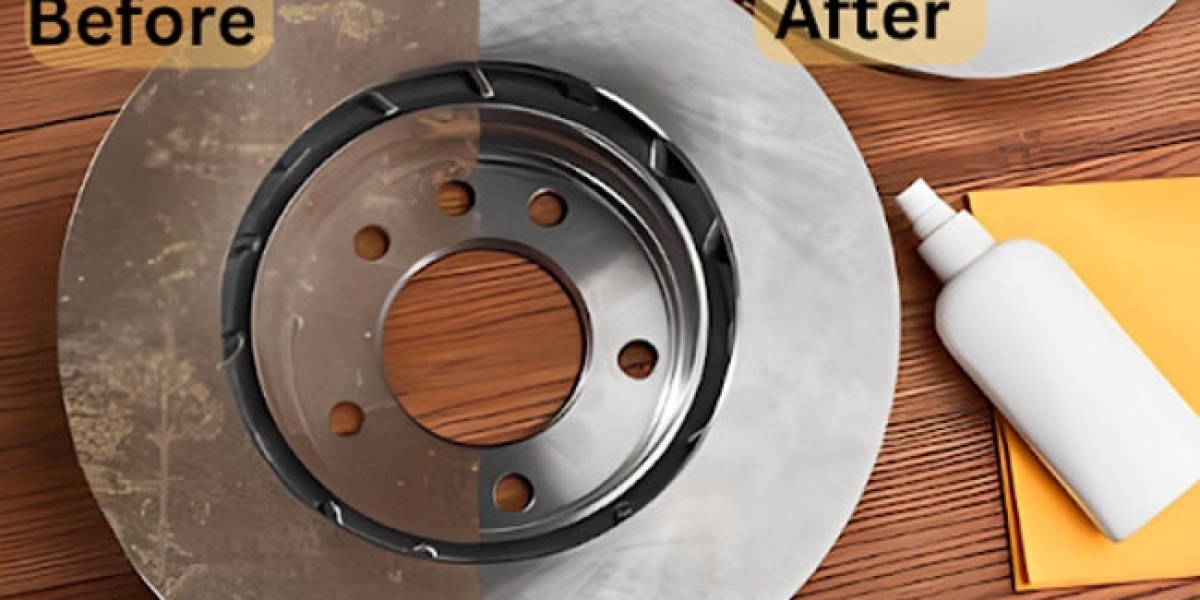

Stainless steel is widely used in manufacturing, construction, kitchens, automotive components, and industrial equipment because of its strength and corrosion resistance. However, despite its name, stainless steel is not completely immune to rust. Moisture, salt deposits, chemical exposure, and iron contamination can cause rust spots to appear on its surface.
Knowing how to remove rust from stainless steel helps maintain its appearance, cleanliness, and durability. With appropriate cleaning methods and regular maintenance, many rust stains can be removed while protecting the metal surface.
What Causes Rust on Stainless Steel?
Stainless steel contains chromium, which forms a thin protective oxide layer that helps resist corrosion. When this layer is compromised or contaminated, rust can develop under certain conditions.
Common causes include prolonged exposure to moisture, high humidity, saltwater, harsh chemicals, and iron particles transferred from tools or other metal surfaces. In industrial environments, inadequate cleaning and exposure to corrosive substances can also increase the risk of surface staining.
Effective Ways to Remove Rust from Stainless Steel
1. Clean with Mild Soap and Water
For light rust stains, start by washing the affected area with warm water and mild soap. Use a soft cloth or non-abrasive sponge to remove dirt and surface deposits. Rinse thoroughly and dry the surface to prevent moisture from remaining.
2. Apply a Baking Soda Paste
For minor surface stains, mix baking soda with a little water to form a paste. Gently apply it with a soft cloth, following the direction of the stainless steel grain. Rinse the area completely and dry it with a clean towel. Avoid excessive rubbing that could scratch the finish.
3. Use a Suitable Rust Removal Product
Stubborn rust spots may require a commercial rust remover specifically designed for stainless steel. Read the product instructions carefully and test it on a small area before treating the entire surface. Avoid harsh cleaners containing hydrochloric acid or products that are not approved for stainless steel, as they may cause additional corrosion.
4. Remove Iron Contamination
Rust-colored marks sometimes result from iron particles deposited on stainless steel rather than corrosion originating in the stainless steel itself. These particles can rust when exposed to moisture. Suitable stainless steel cleaning products and non-contaminating tools can help remove these deposits safely.
How to Prevent Rust on Stainless Steel
Preventing rust is easier when surfaces receive regular care. Follow these practical steps:
- Clean stainless steel surfaces regularly to remove dirt, oil, and chemical residues.
- Dry surfaces after washing to reduce moisture accumulation.
- Avoid steel wool and tools that may transfer iron particles.
- Remove salt deposits and corrosive substances as soon as possible.
- Choose cleaning products compatible with the stainless steel grade and application.
- Inspect industrial components periodically for early signs of corrosion.
Importance of Metal Surface Cleaners in Industrial Applications
In manufacturing and metalworking operations, surface cleanliness plays an important role in equipment maintenance and product quality. Oils, grease, dust, and processing residues can accumulate on metal components and interfere with subsequent treatments.
A suitable metal surface cleaner helps remove unwanted contaminants and prepare surfaces for further processing. Selecting the right cleaning solution depends on the metal type, the nature of the contamination, and the operating environment.
Zavenir Daubert offers industrial metalworking and corrosion protection solutions designed for a range of applications. Choosing appropriate products and following recommended maintenance procedures can support effective cleaning and help reduce corrosion-related problems.
Conclusion
Learning how to remove rust from stainless steel helps preserve metal surfaces and maintain their long-term performance. Mild cleaning methods may work for light stains, while persistent rust may require a specialized stainless steel-compatible product. Regular cleaning, proper drying, and contamination control can help prevent rust from returning.
For industrial applications, combining effective surface cleaning with appropriate corrosion prevention practices supports better maintenance, improved component quality, and longer service life.