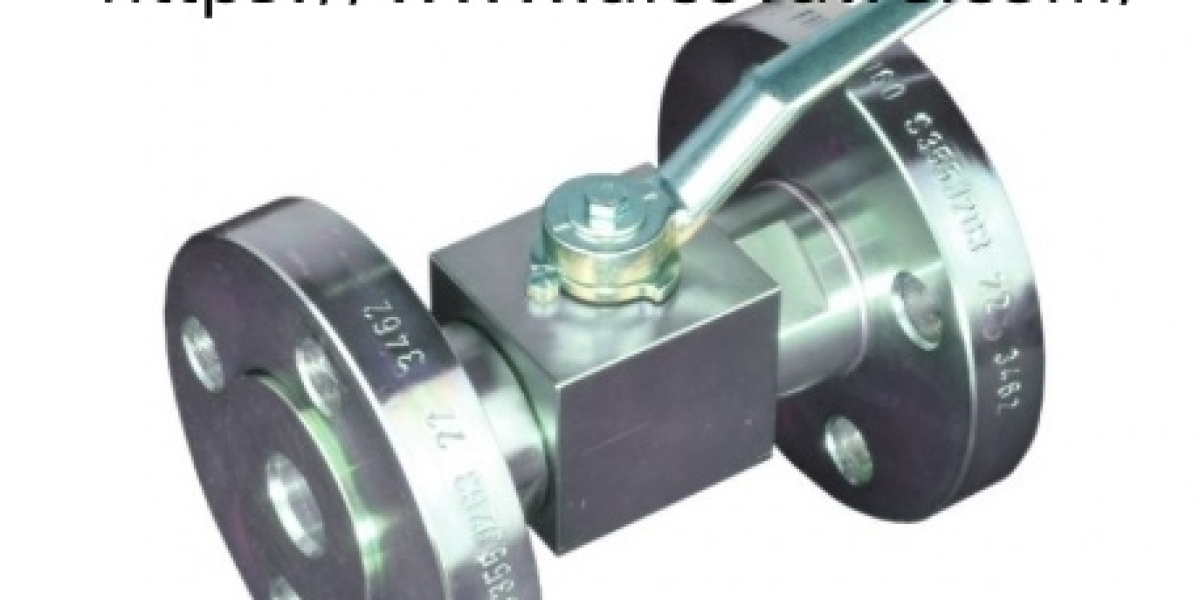

High Pressure Flanged Ball Valves require careful evaluation of operating conditions, material compatibility, connection standards, and installation requirements. For industrial buyers, selecting suitable equipment involves more than comparing quotations or checking nominal dimensions. The intended medium, temperature range, operating frequency, and maintenance plan all influence the final specification. Preparing these details before requesting a quotation helps buyers communicate their requirements clearly and gives manufacturers a practical basis for reviewing the proposed configuration.
Define the Intended Operating Conditions
Begin by describing the system where the equipment will be installed. Include the process medium, normal working conditions, temperature range, flow requirements, and expected operating frequency. These details help establish the technical context for product selection.
Consider whether the equipment will operate continuously or be activated at regular intervals. Frequent operation may influence the choice of internal components and operating mechanism. Applications involving corrosive fluids, suspended particles, or changing temperatures may also require additional technical assessment.
For replacement projects, provide the existing model reference, drawings, or dimensional measurements. This information helps clarify compatibility with the current installation and can reduce the need for adjustments after delivery.
Examine the Internal Construction
Different construction methods offer different mechanical characteristics. Buyers should ask about the proposed design, the arrangement of internal components, and how the configuration relates to the intended service.
For example, a floating design allows the spherical closure element to move against a seat under operating loads. A trunnion-mounted design supports the element mechanically and may suit certain larger installations. The appropriate arrangement depends on the application, operating conditions, and required sealing performance.
Also ask about stem retention, operating torque, and available actuation options. If the project involves automated control, confirm the mounting interface and compatibility with the intended actuator.
Where special features are specified, such as fire-safe construction or anti-static protection, request confirmation that the proposed model meets the relevant project requirements. Reviewing these details early helps buyers understand what is included in the quoted configuration.
Review Material Compatibility
Material selection should reflect the medium, temperature, and surrounding environment. Request details about the body, stem, internal closure component, seats, and seals rather than assuming that every part uses the same material.
Chemical composition is an important consideration. Certain fluids can affect metals, polymers, and elastomers differently. Temperature fluctuations, cleaning procedures, and outdoor exposure may also influence the selection process.
Seat materials deserve particular attention because their properties affect sealing behavior, temperature tolerance, and wear characteristics. Buyers should discuss the intended application and required leakage criteria before approving the proposed combination.
If a project specifies particular material grades, ask whether supporting certificates and traceability records are available. Confirming these requirements during the inquiry can help prevent documentation gaps during inspection or project approval.
Verify Connection Dimensions and Installation Space
Connection compatibility should be checked against the actual pipeline design. Confirm the nominal size, flange standard, facing type, bolt hole arrangement, and face-to-face dimensions.
A matching nominal size does not necessarily guarantee installation compatibility. Different connection standards or dimensional arrangements may require additional review. Drawings and measurements can help buyers verify the proposed configuration before production begins.
The available installation space is another practical consideration. Check whether the handle, gearbox, or actuator can operate without interfering with nearby pipes, supports, or other equipment. Sufficient clearance may also be needed for routine inspection and component replacement.
For automated installations, confirm the actuator interface, control requirements, and operating arrangement. Addressing these questions before shipment can reduce unexpected changes at the installation site.
Confirm Inspection and Documentation Requirements
Before approving an order, identify the applicable inspection procedures and supporting documents. Depending on the project specification, these may include dimensional checks, shell testing, seat leakage testing, and operational verification.
Ask which standards and acceptance criteria apply to the selected model. Do not assume that every configuration follows an identical testing procedure or includes the same documentation.
If material certificates, inspection reports, or traceability records are required, list them in the inquiry and obtain confirmation of their availability. Projects involving independent inspection should also clarify scheduling, notification periods, and responsibilities before manufacturing begins.
Clear product identification helps receiving teams compare delivered items with the purchase order. Organized records can also support maintenance planning and future replacement activities.
Compare the Complete Order Scope
A quotation should clearly identify the model, dimensions, materials, quantity, accessories, documentation, packaging, and delivery terms. Ask whether customization, additional inspection, or special packaging carries separate charges.
Request technical drawings when they are relevant to the project. If any specification changes, establish how revisions will be recorded and approved. Keeping the inquiry, quotation, drawings, and purchase order consistent helps both parties manage the manufacturing process.
Delivery planning should reflect the installation schedule. Confirm the estimated production period, shipping arrangements, and destination requirements. If the project involves several installation stages, discuss whether deliveries can be coordinated with the planned milestones.
For industrial buyers reviewing flow-control products, dicovalve provides a starting point for examining product information and discussing application requirements. Prepare your operating data, material preferences, connection standards, inspection needs, and delivery expectations before making an inquiry. Visit https://www.dicovalve.com/ to review company and product information and identify options relevant to your project. A clear technical specification helps both parties confirm the proposed configuration and establish an agreed supply scope before production begins.