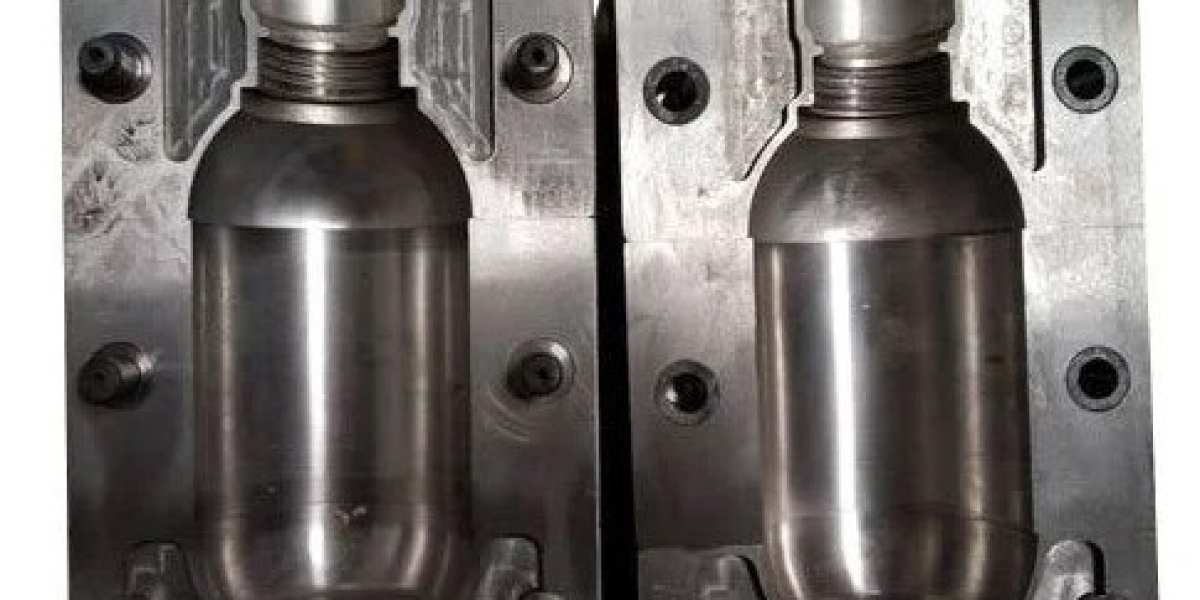

Reliable packaging starts long before a bottle reaches the filling line. During manufacturing planning, Plastic Preform Moulds play an important role in shaping preforms that will later become containers for water, beverages, personal care products, and other packaged goods. By selecting suitable Plastic Preform Moulds, manufacturers can align preform dimensions, material requirements, and production capacity with the needs of their final products. A thoughtful tooling decision helps create a smoother path from initial design to repeatable manufacturing.
Designing Preforms Around the Final Container
A preform may look simple, but its dimensions influence the shape, strength, and performance of the finished bottle. Neck dimensions, wall distribution, overall length, and material volume all need to match the intended container design. Even small differences can affect how a preform behaves during the later blowing process.
Before tooling begins, manufacturers should define the container's intended use and review its key specifications. A bottle designed for carbonated beverages may have different structural requirements from one intended for household liquids. Sharing drawings and technical details with a mould supplier helps ensure that the tooling design reflects the actual application rather than relying on general assumptions.
Material Flow and Temperature Control
Consistent preform quality depends on how plastic material fills the mould and cools during each production cycle. Temperature differences, uneven filling, or unsuitable process settings can contribute to visual defects and dimensional variation. Mould design therefore needs to consider the relationship between material flow, cooling performance, and the geometry of each preform.
Cooling channels should support balanced heat removal, while the mould structure must accommodate the selected resin and operating conditions. Manufacturers should also evaluate venting and other design details that influence filling behavior. These elements work together to help produce preforms with a consistent appearance and dimensions.
During testing, samples from different cavities should be inspected rather than assuming that every position will perform identically. This makes it easier to identify potential issues before regular production begins.
Exploring Tooling Options with Qhpreformmould
Selecting a mould supplier involves more than comparing quotations. Buyers need to understand how a supplier approaches product drawings, tooling design, sample testing, and project communication. Clear discussions at the beginning can help both parties establish practical expectations for specifications, production requirements, and delivery arrangements.
Qhpreformmould provides a starting point for businesses reviewing plastic preform tooling options. When preparing an inquiry, buyers can share the required preform weight, neck finish, resin type, target output, and available machine information. These details help clarify the project scope and support a more relevant technical discussion.
It is also useful to ask about maintenance access, spare components, and inspection procedures. Understanding these details before placing an order can help manufacturers plan for routine operation after the mould is installed.
Maintaining Consistency Across Production Runs
A mould must perform reliably beyond its initial trial. Regular production places repeated demands on its cavities, moving components, cooling system, and ejection mechanism. Planned inspection and maintenance can help manufacturers identify wear or contamination before these issues affect output.
Quality checks should focus on the characteristics that matter to the finished container. Depending on the application, these may include preform weight, neck dimensions, surface appearance, and dimensional consistency. Recording inspection results over time can help production teams recognize patterns and determine when process adjustments or maintenance are needed.
Stable operating conditions are equally important. Consistent material handling, suitable temperature settings, and trained machine operators all contribute to repeatable results. When tooling care and process control are treated as connected responsibilities, manufacturers can manage production with greater confidence.
Preparing for Changing Packaging Needs
Packaging requirements may evolve as brands introduce new bottle designs, adjust container sizes, or respond to different customer preferences. Manufacturers should consider these possibilities when planning tooling investments. Reviewing expected order volumes, product variations, machine capacity, and future design changes can help businesses choose a practical solution.
The right mould should fit current production needs while supporting a manageable workflow. Instead of focusing only on cycle speed, buyers should also consider product consistency, maintenance requirements, and compatibility with existing equipment. This broader view helps connect tooling decisions with long-term manufacturing goals.
For businesses planning a new packaging project or reviewing existing production arrangements, explore available products and technical information at https://www.qhpreformmould.com/ to discuss suitable options for different preform requirements.