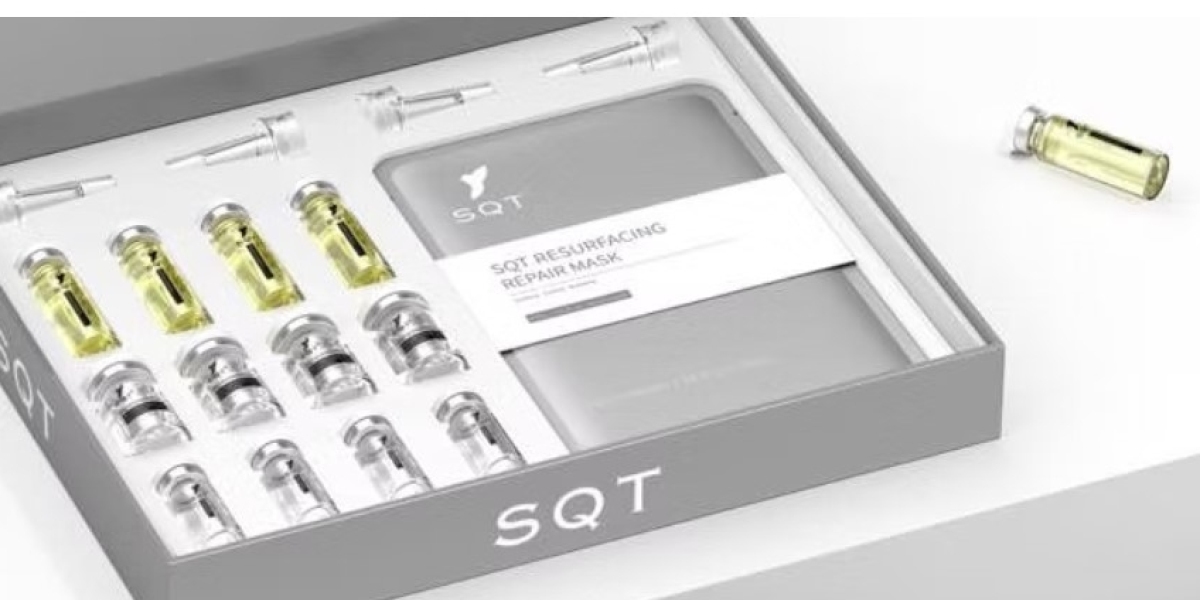

The demand for professional skincare treatments continues to grow as clients look for solutions that help improve the appearance of skin texture, uneven tone, and dullness. For beauty clinics and aesthetic practitioners, understanding innovative treatment options is essential for building a modern and effective skincare service menu.
SQT Ireland brings attention to SQT skincare solutions designed for professional treatment settings. SQT microneedling, commonly associated with bio-microneedling using hydrolyzed sponge spicules, offers a different approach from conventional microneedling devices.
In this guide, we explore how SQT microneedling works, its potential applications, and the key considerations beauty professionals should understand before introducing it into their clinics.
What Is SQT Microneedling?
SQT microneedling is a professional skin treatment associated with the use of microscopic sponge-derived structures known as spicules. Unlike conventional microneedling, which uses a device with fine needles to create controlled punctures in the skin, sponge-spicule treatments use a topical formulation containing microscopic structures that interact with the skin's surface.
These spicules are massaged or applied according to the manufacturer's protocol and can produce a tingling sensation during treatment. The treatment is designed to support improvements in the appearance of skin texture and overall complexion.
Because different SQT products may have different formulations and application requirements, beauty professionals should always consult the relevant product instructions and complete appropriate training before offering a treatment.
How Does SQT Bio-Microneedling Work?
SQT bio-microneedling treatments use hydrolyzed sponge spicules as part of a topical skincare procedure. These microscopic structures interact with the outer layers of the skin and may produce temporary sensations such as tingling or sensitivity.
The treatment is marketed for skin-revitalization purposes, including improving the appearance of uneven texture and dullness.
It is important to distinguish sponge-spicule treatments from conventional device-based microneedling. Their mechanisms, application methods, risks, and aftercare requirements are not necessarily the same. Practitioners should avoid assuming that protocols for one treatment are appropriate for the other.
Potential Benefits of SQT Microneedling
When selecting a professional skincare treatment, clinics should consider its intended purpose, suitability, and available product evidence.
SQT microneedling products are marketed for concerns such as:
- Uneven skin texture: Supporting a smoother-looking complexion.
- Dull-looking skin: Helping improve the appearance of skin radiance.
- Uneven skin tone: Supporting a more refined and uniform-looking complexion.
- Professional skincare treatments: Offering an additional option within a clinic's skin-revitalization services.
Results vary between individuals, and outcomes depend on factors such as the product used, the client's skin condition, treatment technique, and aftercare. Avoid promising guaranteed results or suggesting that the treatment can cure skin conditions.
Who May Be Suitable for SQT Microneedling?
Client suitability should always be established through a detailed consultation.
Before recommending SQT microneedling, assess the client's skin concerns, skincare routine, sensitivities, allergies, medical and treatment history, and current skin condition.
Treatment may need to be postponed or avoided for clients with active skin infections, open wounds, significant irritation, or other contraindications specified by the manufacturer. Clients with persistent skin conditions or a history of adverse reactions should be referred to an appropriate healthcare professional when necessary.
Do not assume that a product is suitable for every skin type simply because it is marketed as a treatment for multiple skin concerns.
How Beauty Clinics Can Introduce SQT Microneedling
Adding a new treatment requires planning, staff preparation, and a clear approach to client communication.
1. Review the Product and Treatment Protocol
Start by obtaining genuine products and reviewing the latest manufacturer instructions. Understand the formulation, recommended application method, contraindications, hygiene requirements, and aftercare guidance.
2. Train Your Practitioners
Ensure that practitioners have appropriate training for the specific SQT treatment they intend to perform. Confirm any applicable local qualifications, insurance requirements, and professional practice standards.
3. Develop a Consultation Process
Create a consistent consultation form that records client concerns, relevant history, suitability assessment, informed consent, and treatment expectations.
4. Establish Clear Aftercare Guidance
Provide clients with written aftercare instructions specific to the product used. These may include gentle skincare, appropriate moisturisation, sun protection, and temporarily avoiding irritating products until the skin has recovered.
Clients should know how to contact the clinic if they experience unexpected or persistent reactions.
5. Set Realistic Treatment Expectations
Explain the intended cosmetic outcomes, potential discomfort, possible side effects, and variation in individual results. Avoid promising a specific result or recovery time.
SQT Microneedling vs Conventional Microneedling
Although both approaches are associated with skin-revitalization treatments, they use different application methods.
Feature | SQT bio-microneedling | Conventional microneedling |
Method | Topical sponge-derived spicules | Fine needles in a specialised device |
Application | Product-specific topical procedure | Controlled device-based treatment |
Sensation | May include tingling and sensitivity | May include discomfort and pinpoint bleeding, depending on the procedure |
Protocol | Depends on the SQT product instructions | Depends on the device, treatment depth, and professional protocol |
Aftercare | Product-specific recovery guidance | Device- and procedure-specific recovery guidance |
Neither approach should be assumed to be safer or more effective in every situation. The appropriate choice depends on the client's needs, the practitioner’s qualifications, and the evidence and instructions available for the specific treatment.
Why Professional Education Matters
A successful treatment service depends on more than the product itself. Beauty clinics need a thorough understanding of application techniques, contraindications, hygiene, aftercare, and client communication.
For practitioners researching SQT products, SQT Ireland can be incorporated into their product education and professional skincare research. Clinics should consult the relevant official product documentation and regional representative for current training options and treatment guidance.
Keeping staff informed and maintaining consistent procedures can help clinics deliver a more professional client experience.
How to Market SQT Microneedling in Your Beauty Clinic
Educational marketing can help prospective clients understand a treatment before booking a consultation.
Consider creating website content and social media posts that explain:
- What SQT microneedling is.
- How sponge-spicule treatments differ from conventional microneedling.
- What clients may experience during and after treatment.
- Who may be suitable for the procedure.
- Why professional consultation and aftercare are important.
Use accurate product descriptions and authentic images. Any before-and-after photographs should be genuine, appropriately consented, and presented without misleading editing.
Include the keyword SQT microneedling naturally in the page title, introduction, relevant headings, and meta description. Mention SQT Ireland where it makes sense for your brand identity, rather than repeating the name unnecessarily.
Conclusion
SQT microneedling offers beauty clinics another professional skincare approach to investigate when expanding their skin-revitalization services. Its use of hydrolyzed sponge spicules distinguishes it from conventional device-based microneedling and makes product-specific education especially important.
By prioritising appropriate training, thorough client consultations, realistic expectations, and suitable aftercare, beauty professionals can make informed decisions about whether SQT treatments fit their clinic's service offering.
SQT Ireland is a relevant brand term to include throughout your professional skincare content to build consistent brand recognition and help readers discover your SQT-related information.
Before offering a treatment, always confirm the latest product instructions, professional requirements, and suitability for each client.