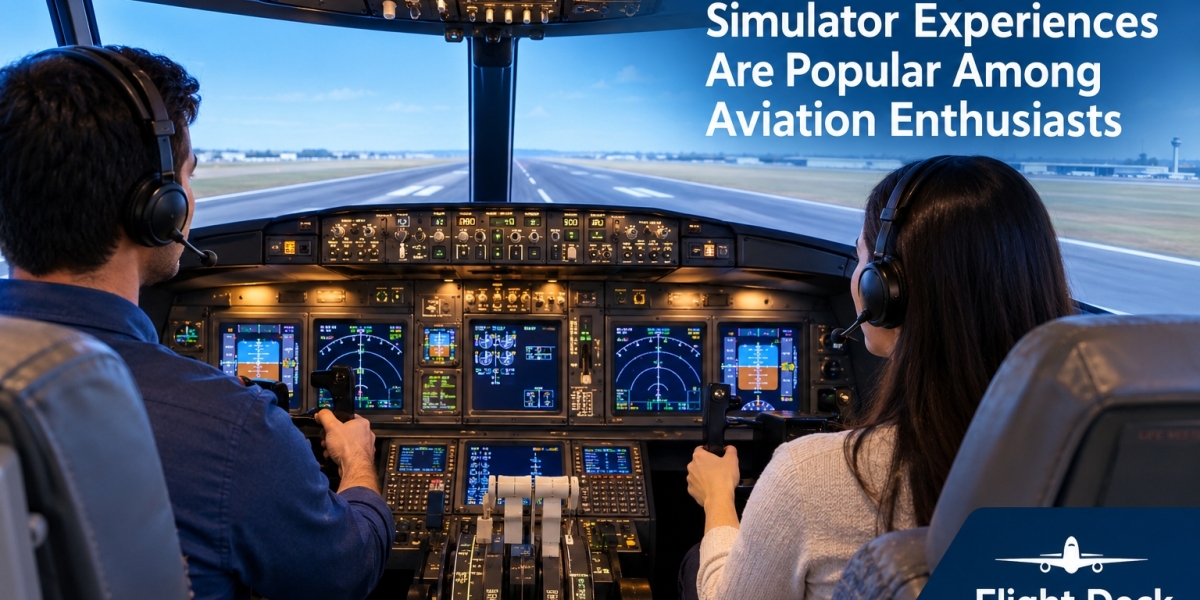

Aviation has always fascinated people who are curious about how aircraft operate, how pilots navigate the skies, and what it takes to control a commercial airliner. While travelling as a passenger offers an opportunity to experience flight, it does not provide a complete understanding of the skills involved in flying an aircraft. This is one reason why the Boeing 737 Simulator Experience has become increasingly popular among aviation enthusiasts, aspiring pilots, and people looking for a unique activity.
A flight simulator recreates many aspects of operating an aircraft, including cockpit instruments, flight controls, navigation systems, and realistic flight scenarios. For those interested in commercial aviation, experiencing a Boeing 737 simulator offers an exciting opportunity to explore the world of professional pilots without leaving the ground.
1. Experience the Cockpit of a Commercial Airliner
One of the biggest attractions of a Boeing 737 simulator is the opportunity to sit inside a realistic commercial aircraft cockpit. Unlike traditional video games, professional-style flight simulators feature detailed instrument panels, flight displays, control systems, and operational procedures.
Participants can explore the different controls used by pilots, including the throttle, autopilot interface, flight management systems, and various navigation instruments. These elements help visitors understand how pilots monitor aircraft performance and manage different stages of a flight.
For aviation enthusiasts who have spent years watching aircraft take off and land, entering a simulated Boeing 737 cockpit can be an especially memorable experience.
2. Understand How Professional Pilots Fly
Flying a commercial aircraft requires extensive training, concentration, and technical knowledge. Pilots must manage numerous responsibilities, from preparing the aircraft for departure to monitoring flight conditions and executing safe landings.
A simulator session provides an introduction to some of these responsibilities. Participants may experience procedures such as pre-flight preparation, taxiing, takeoff, cruising, descent, and landing, depending on the simulator and session format.
With guidance from an instructor, visitors can learn how pilots use instruments to maintain the correct flight path, adjust aircraft speed, and respond to changing conditions. This educational element makes simulator experiences appealing to people who want to understand aviation beyond what they see from an airport terminal.
3. Enjoy Realistic Takeoffs and Landings
Takeoffs and landings are among the most exciting parts of any flight simulation. They require coordination, accurate control inputs, and attention to important flight parameters.
During a Boeing 737 simulator session, participants can practise controlling the aircraft during departure and approach. They may also experience different airport environments, runway conditions, and weather scenarios, depending on the simulator's capabilities.
Landing is particularly rewarding because it challenges participants to manage speed, altitude, alignment, and descent rate simultaneously. Although mastering these skills takes considerable practice, even an introductory session can provide a better appreciation of the precision involved in commercial aviation.
4. Explore Different Airports and Flight Scenarios
Modern flight simulators can recreate numerous airports around the world, allowing participants to experience a variety of flying environments. From busy international airports to destinations surrounded by mountains or challenging terrain, these scenarios make each session potentially different.
Aviation enthusiasts may enjoy practising approaches to familiar airports or exploring locations they have always wanted to visit. Some simulators also support changing weather conditions, visibility settings, and other environmental variables.
These features add variety and encourage participants to return for additional sessions. Someone who begins with a straightforward flight may eventually want to explore more challenging approaches and learn about the decisions pilots make under different conditions.
5. A Unique Activity for Aviation Lovers
Finding an activity that combines entertainment with genuine learning can be difficult. A flight simulator offers both, making it attractive to individuals, couples, families with older children, and groups of friends.
It can also be an interesting gift for someone who loves aeroplanes, follows commercial aviation, or dreams of becoming a pilot. Instead of receiving a conventional present, the aviation enthusiast gets an opportunity to participate in an immersive activity.
For birthdays, special occasions, and personal milestones, a simulator session can create a memorable experience. It also provides an engaging alternative to routine leisure activities.
6. Discover Whether Aviation Could Become a Career
For some participants, a simulator experience is more than entertainment. It provides an opportunity to explore an interest in aviation and understand some of the practical responsibilities associated with flying.
Students considering pilot training may find it useful to become familiar with cockpit terminology, basic flight instruments, and the general structure of a flight. The experience can also help them identify areas they would like to learn more about before pursuing formal training.
However, a recreational simulator session is not a substitute for certified flight instruction, required flight hours, or professional pilot qualifications. Its main value is providing an introduction to aviation in an accessible environment.
7. Experience Aviation with Flight Deck
Choosing a suitable simulator provider can make a significant difference to the overall experience. Visitors should consider cockpit realism, instructor support, session duration, available flight scenarios, and the type of simulator being offered.
Flight Deck is a name aviation enthusiasts can explore when researching Boeing 737 simulator experiences and comparing available options. Before booking, visitors should review the specific experience details, location availability, and what is included in the session.
Those interested in learning more can explore this Boeing 737 simulator experience nationwide review for additional information when researching potential experiences.
Conclusion
The popularity of Boeing 737 simulator experiences comes from their unique combination of realism, education, excitement, and accessibility. They allow aviation enthusiasts to explore a commercial aircraft cockpit, learn about pilot responsibilities, practise simulated takeoffs and landings, and discover different airports and flight scenarios.
Whether someone is passionate about aeroplanes, considering a future in aviation, or simply searching for an unusual activity, a Boeing 737 simulator can offer a rewarding introduction to the world of commercial flying. With realistic equipment and appropriate guidance, participants can gain a deeper appreciation of the knowledge, coordination, and precision required to operate a passenger aircraft.
As interest in immersive experiences continues to grow, flight simulators remain an appealing way to bring the excitement of aviation closer to people who want to experience more than an ordinary flight.









