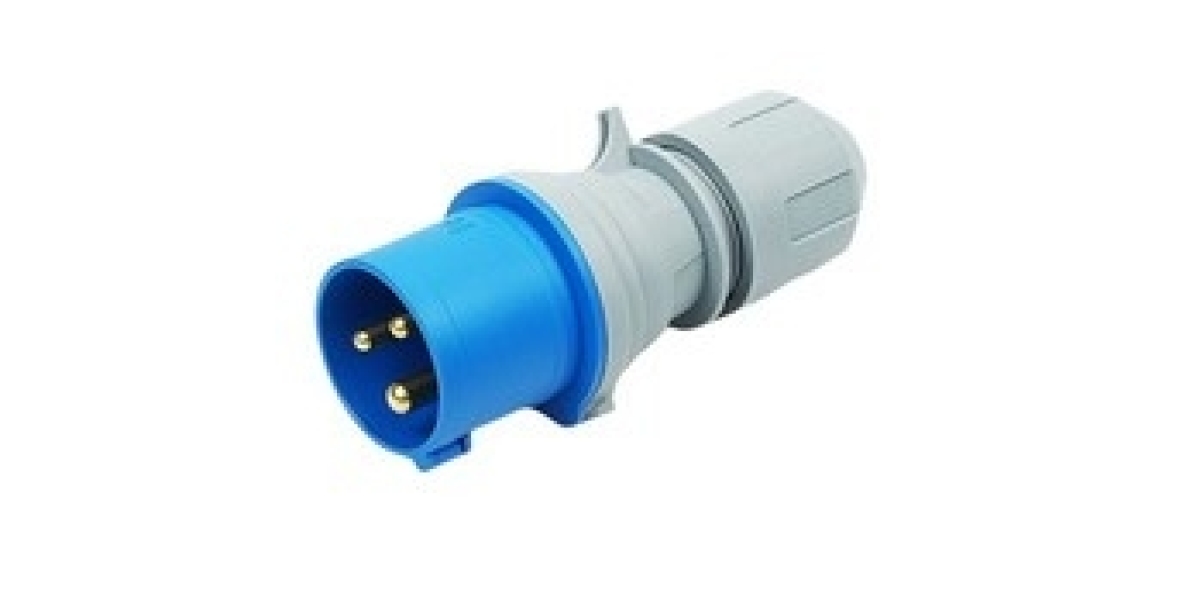

Outdoor electrical installations face environmental conditions that can affect the reliability and service life of power connection equipment. Rain, airborne dust, temperature changes, sunlight, and accidental impacts all influence product selection. Outdoor Industrial Socket solutions are designed for suitable exterior applications where dependable power access and environmental protection are important. The correct choice depends on electrical ratings, enclosure protection, installation location, and compatibility with the equipment being connected.
Housing materials are a key consideration for exterior use. Engineering plastics can provide electrical insulation, impact resistance, and practical design flexibility. However, not every plastic performs equally well under prolonged sunlight or wide temperature fluctuations. Where exposure to ultraviolet radiation is expected, buyers should confirm that the enclosure material is suitable for outdoor service. Mounting strength and resistance to normal mechanical impacts should also be considered, particularly in busy industrial yards.
Ingress protection is another important selection factor. The required rating depends on whether the socket will encounter light rain, windblown dust, cleaning water, or more demanding exposure. Protective covers, gaskets, and sealed cable entries can help limit the entry of moisture and particles when correctly designed and installed. An enclosure rating should be verified from product documentation rather than inferred from the appearance of the socket.
Electrical ratings must match the intended application. Buyers should check rated voltage, current capacity, pole configuration, grounding requirements, and compatibility with the connected plug. A socket intended for one power system may not be suitable for equipment with different electrical requirements. Proper selection also includes checking cable size, circuit protection, and applicable installation standards. Outdoor placement does not change the need for correct electrical design.
Contact quality influences connection stability and operating temperature. Copper and copper-alloy contacts are commonly used because of their electrical conductivity and mechanical characteristics. Contact geometry should provide reliable engagement, while appropriate surface finishes may help manage corrosion and wear. Poorly maintained contacts can develop increased resistance, which may cause overheating under load. Consistent manufacturing quality and correct assembly are therefore important for reliable performance.
Installation design contributes to both safety and service life. Sockets should be mounted securely in a location appropriate for their protection rating and intended use. Cable entries, mounting surfaces, covers, and sealing components must be installed according to manufacturer instructions. Where practical, the installation should reduce unnecessary exposure to standing water, physical damage, and cable strain. Protective devices and grounding arrangements must be selected according to applicable electrical requirements.
Mechanical durability matters in construction areas, loading zones, maintenance yards, and other locations where equipment may be moved frequently. Strong mounting points help resist vibration, while suitable covers can protect unused outlets from environmental exposure. Locking features may help keep compatible plugs securely connected during normal operation. Product identification should remain clear so that workers can distinguish electrical ratings and avoid connecting incompatible equipment.
Maintenance planning helps identify deterioration before it interrupts operations. Inspections should look for cracked housings, loose mounting hardware, damaged covers, worn seals, corrosion, and discoloration around contacts. Before servicing, the circuit must be safely isolated, and qualified personnel should carry out electrical work. Damaged components should be repaired or replaced in accordance with manufacturer guidance rather than kept in service as a temporary solution.
For distributors, contractors, and industrial facility managers, supplier evaluation should include technical documentation, product consistency, available mounting options, environmental ratings, and compliance information. Buyers should confirm whether the socket is intended for exposed outdoor installation or requires additional protection. Sample evaluation and compatibility checks can help ensure that selected products suit the actual installation conditions before a larger purchase is made.
Choosing a suitable Outdoor Industrial Socket involves balancing weather protection, electrical compatibility, mechanical strength, and maintenance needs. A properly selected and installed socket helps provide dependable power access while reducing avoidable connection problems. Businesses looking for industrial socket and plug solutions can visit https://www.socketsfe.com to review available products and verify specifications for their outdoor applications.