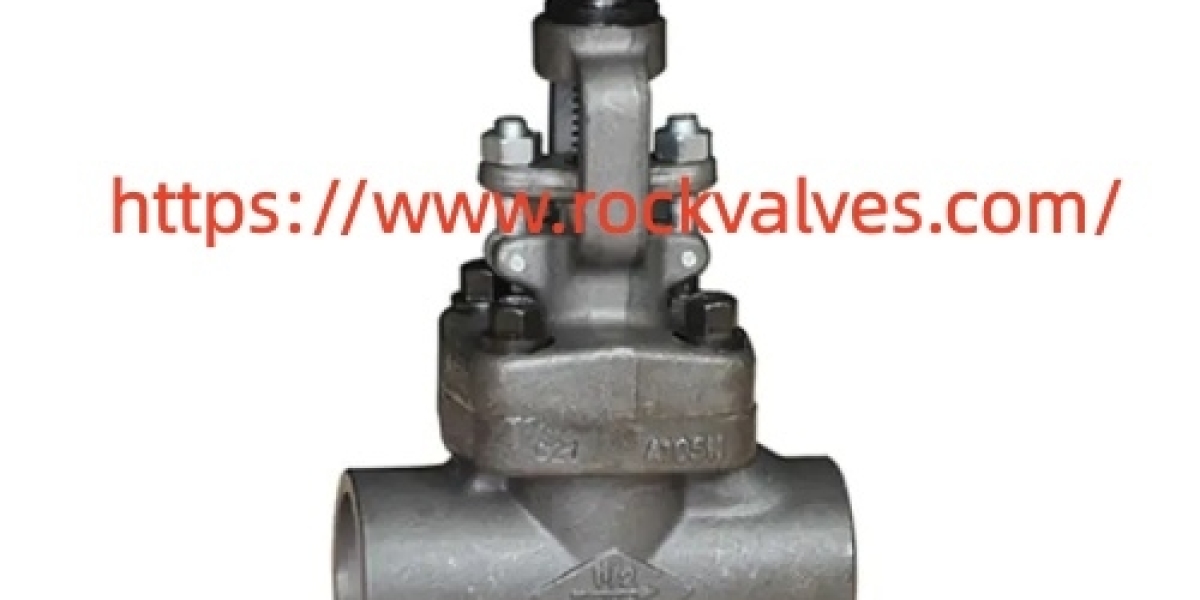

API 600 Cast Steel Gate Valve construction follows a set of clear design rules that focus on durability under pressure temperature and media stress in process plants. These rules call for thicker walls larger stem diameters and bolted bonnet assemblies so the isolation unit can handle corrosion erosion and repeated cycles without early failure.
Wall thickness stands out as a key point. The body must exceed basic code minimums by a defined margin to provide extra material against wear. This heavier section also supports higher pressure classes ranging from low to elevated ratings while keeping the structure stable. Stem diameter receives similar attention. A larger stem improves strength and reduces the chance of bending or thread damage during operation.
Bonnet attachment uses bolts rather than welded or pressure seal styles for the majority of pressure ratings. This approach allows packing adjustment and internal access while the unit remains in the line. Outside screw and yoke layout keeps the threads clear of process fluid. Rising stem movement gives direct visual feedback of open or closed status which aids plant safety checks.
Full port opening is required so that flow resistance stays low when the unit is fully open. Seat and wedge surfaces are metallic and may include hard facing for erosive or high temperature media. Single or flexible wedge options accommodate body movement under thermal change. End connections follow flanged or butt weld patterns that match common piping standards.
Material selection centers on carbon alloy or stainless grades chosen for the fluid and temperature range. Common body choices suit hydrocarbon steam or general process service while trim combinations address corrosion or wear. Pressure temperature ratings derive from established tables so the unit stays within safe limits at operating conditions.
Testing forms the final confirmation step. Shell tests apply elevated pressure to the body. Seat tests check leakage under rated conditions. Backseat tests verify that packing can be replaced under pressure when the unit is fully open. These steps confirm the isolation unit meets the required integrity before shipment.
Size coverage spans from small to large diameters so the same design family serves both plant piping and main transfer lines. Orientation guidance prefers vertical stem position to avoid debris collection that could hinder movement. Regular lubrication of external threads and periodic packing checks keep the unit ready for service.
Rockv builds isolation units that follow these construction and test requirements for refinery power and pipeline duties. Matching wall section stem size bonnet style and material grade to the process data produces a reliable fit. Review current product ranges and technical data at https://www.rockvalves.com/ to confirm dimensions pressure class and trim options for your next project.