
Puppies enjoy tasty rewards, and treats can make training, socialization, and everyday bonding more enjoyable. From rewarding a puppy for responding to its name to encouraging good behavior, small snacks can be useful tools for pet parents. However, young dogs have developing teeth and sensitive digestive systems, so selecting appropriate treats is essential for their safety and well-being.
Are treats safe for puppies? Yes, many treats are safe when they are designed for puppies, offered in small portions, and matched to the puppy's age and size. The important factors include ingredient quality, texture, serving size, and how the treat is prepared. Some treats made for adult dogs may be too hard, too large, or difficult for puppies to digest, making careful product selection important.
What Makes a Treat Suitable for Puppies?
A suitable puppy treat should be easy to portion, appropriate for the puppy's developmental stage, and made with clearly identified ingredients. Soft training treats are often convenient because puppies can eat small pieces quickly during training sessions.
Before purchasing a product, check its minimum age recommendation, feeding instructions, and ingredient list. Avoid treats that are excessively hard or that can break into pieces your puppy might swallow. Puppies also vary in their dietary needs, so a treat that works well for one dog may not be suitable for another.
Types of Treats Puppies May Enjoy
Different treats can serve different purposes in a puppy's routine. Consider these options based on your puppy's age, chewing habits, and dietary requirements.
1. Soft Training Treats
Small, soft treats are often useful for teaching commands such as sit, stay, and come. Because training may involve frequent rewards, using tiny portions helps prevent excessive calorie intake.
2. Puppy-Specific Biscuits
Some biscuits are formulated specifically for young dogs. Check that the product is suitable for your puppy's age and size, and avoid biscuits that are too hard for developing teeth.
3. Simple-Ingredient Treats
Treats with clearly listed ingredients can make it easier to monitor what your puppy eats. However, a short ingredient list does not automatically guarantee safety. Preparation, freshness, texture, and age suitability are equally important.
4. Appropriate Chew Toys
If your puppy enjoys chewing, a chew toy designed for its age and size may be a suitable alternative to a hard edible chew. Inspect toys regularly and remove damaged items before pieces can break off.
Are Natural Dog Treats Safe for Puppies?
Natural dog treats can be suitable for puppies, but the word natural does not automatically mean a product is safe. Raw animal products may contain harmful bacteria, while hard animal-hide chews can create choking, tooth-damage, or intestinal blockage risks.
Look for clear ingredient information, appropriate age guidance, and safe storage instructions. Introduce unfamiliar treats gradually and monitor your puppy for digestive upset or signs of an allergic reaction. If your puppy has food sensitivities or a medical condition, consult your veterinarian before introducing new ingredients.
How Many Treats Should a Puppy Have?
Treats should supplement a complete and balanced puppy diet rather than replace nutritious meals. A common guideline is to keep treats and other extras to no more than 10% of daily calorie intake, with the remaining calories coming from complete and balanced food.
Puppies have relatively small calorie requirements, so even a few large snacks can contribute too much energy. Break suitable treats into small pieces, account for them in the daily feeding plan, and follow the package recommendations. Your veterinarian can help determine an appropriate amount based on your puppy's age, weight, activity, and growth.
Are Beef-Hide Chews Safe for Puppies?
Beef-hide chews are designed to provide a firm chewing experience, but they are not automatically suitable for young dogs. Their texture may be too hard for developing teeth, and pieces that soften or break away can become choking hazards or cause intestinal obstruction if swallowed.
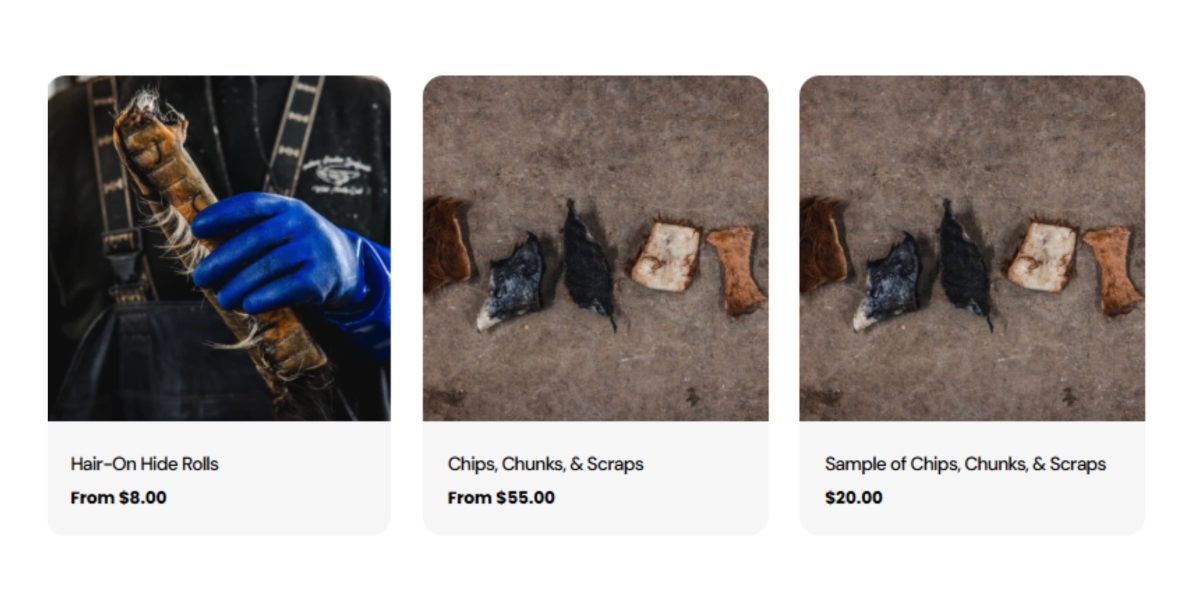
Ugly Chews offers natural beef-hide chews with an emphasis on simple ingredients and sun-drying. Pet parents should review each product's size, texture, and age suitability before purchasing, rather than assuming adult-oriented chews are appropriate for puppies. Puppy-specific treats and age-appropriate chew toys may be better options for young dogs.
Visit Ugly Chews to review available products and their details.
Tips for Giving Treats to Puppies Safely
Follow these practical precautions when offering treats to your puppy:
Check the age guidance: Select products specifically suitable for your puppy's developmental stage.
Offer small portions: Use tiny rewards during training and account for their calories.
Supervise chewing: Remove treats that become small, damaged, or easy to swallow whole.
Introduce new treats gradually: Monitor your puppy for vomiting, diarrhea, itching, or other unusual symptoms.
Provide fresh water: Keep clean drinking water available.
Store treats properly: Follow the manufacturer's storage instructions to maintain freshness and reduce contamination.
Maintain a balanced diet: Treats should not replace complete puppy food.
If your puppy struggles to breathe, repeatedly gags, vomits persistently, or develops a painful or swollen abdomen after eating, seek urgent veterinary care.
Frequently Asked Questions
1. At what age can puppies have treats?
Puppies can have suitable treats once they are developmentally ready for them, but the appropriate age depends on the product. Follow the label and ask your veterinarian if unsure.
2. Are store-bought treats safe for puppies?
Many are suitable when specifically formulated for puppies. Check the ingredients, texture, serving instructions, and minimum age recommendation before offering them.
3. Can treats upset a puppy's stomach?
Yes. Large portions, sudden dietary changes, rich ingredients, or food sensitivities can cause digestive upset. Contact your veterinarian if symptoms persist.
4. Can puppies eat rawhide chews?
Rawhide can cause choking, digestive blockage, and dental injuries. Ask your veterinarian about age-appropriate alternatives, particularly for puppies with developing teeth.
5. Are homemade treats safe for puppies?
Homemade treats can be suitable when prepared and stored safely. Avoid toxic ingredients and ensure snacks do not replace nutritionally complete puppy food.
6. How often should puppies receive treats?
Small rewards can be given during training, provided total treat calories remain limited. Using pieces of your puppy's regular food can also help manage calorie intake.
Conclusion
Treats can support positive training and bonding when they are suitable for a puppy's age, size, and chewing ability. Prioritize appropriate textures, clear ingredient labels, small portions, and supervision. Avoid assuming that all natural snacks or adult dog chews are suitable for young dogs. When uncertain, consult your veterinarian to find treats that fit your puppy's individual needs.