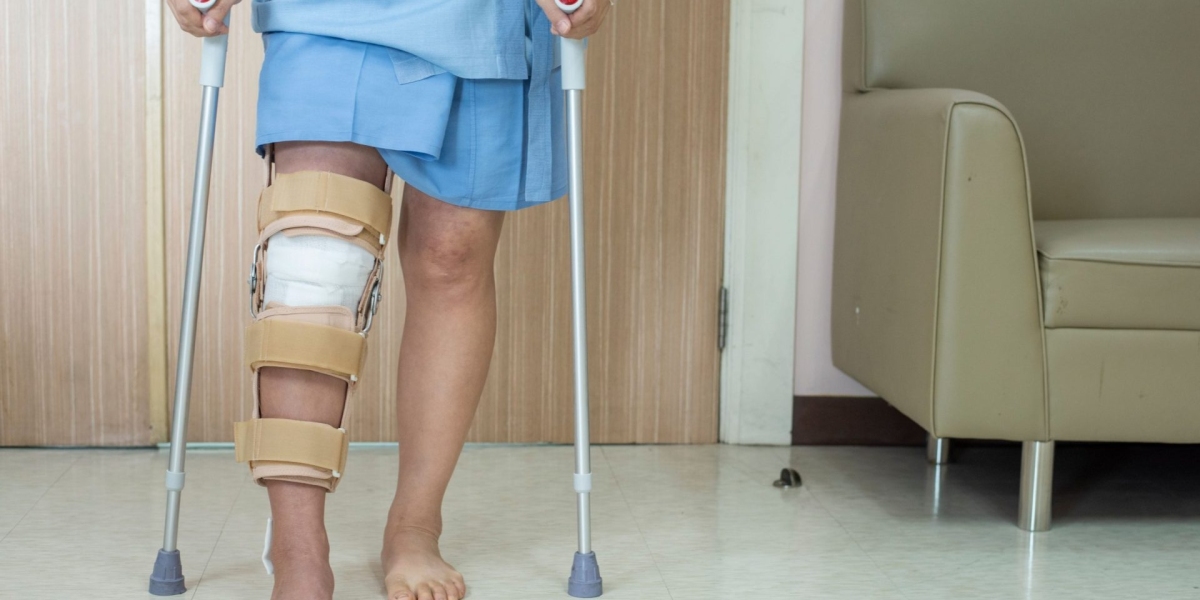

The anterior cruciate ligament (ACL) is one of the major ligaments responsible for stabilizing the knee joint. It helps control the movement of the shinbone in relation to the thighbone and plays an important role in activities that involve running, jumping, turning, and sudden changes of direction. When this ligament is injured, everyday movements and sports participation can become challenging.
ACL injuries are common among athletes and physically active individuals, but they can also occur during routine activities that involve sudden twisting or an awkward landing. Depending on the severity of the injury, a person may experience knee pain, swelling, instability, and difficulty putting weight on the affected leg.
Seeking appropriate Acl Injury Treatment Dubai services is an important step toward understanding the injury and developing a suitable recovery plan. Treatment may involve physiotherapy, activity modification, medical management, or surgical reconstruction followed by rehabilitation. The appropriate approach depends on the extent of ligament damage, associated injuries, activity requirements, and individual recovery goals.
Vitruvian Italian Physiotherapy Center is the reference for this discussion of physiotherapy and rehabilitation following ACL injuries. A structured recovery program can help patients work toward restoring knee movement, rebuilding muscle strength, improving balance, and gradually returning to everyday activities.
Understanding the recovery process and the factors affecting Acl Injury Treatment cost in Dubai can also help patients plan their care and make informed decisions about their treatment options.
Understanding the ACL and Its Function
The ACL is located inside the knee joint and connects the femur, or thighbone, to the tibia, or shinbone. It helps limit excessive forward movement of the tibia and contributes to rotational stability during physical activity.
The ligament works together with other structures, including the posterior cruciate ligament, collateral ligaments, menisci, and surrounding muscles. These structures collectively help the knee remain stable during movement.
The ACL is particularly important during activities that require rapid changes in direction. When a person pivots, lands from a jump, or suddenly slows down, the knee must manage considerable forces while maintaining control.
An ACL injury can affect this ability. Some individuals experience instability during turning movements, while others notice swelling, reduced knee movement, or difficulty walking.
The severity of an ACL injury varies. A partial tear may leave some ligament fibers intact, whereas a complete tear involves disruption of the ligament's continuity. The injury may also occur alongside damage to the meniscus, cartilage, or other ligaments.
For this reason, Acl Injury Treatment Dubai should begin with a proper clinical assessment rather than relying on symptoms alone. Understanding the extent of the injury helps guide decisions about rehabilitation, activity modification, and whether surgical evaluation is necessary.
Common Causes of ACL Injuries
ACL injuries often occur when the knee experiences a sudden movement that exceeds its ability to control the forces involved. These injuries are frequently associated with sports, although they are not limited to athletic activities.
Common injury mechanisms include:
Sudden changes of direction: Pivoting or cutting movements can place considerable rotational stress on the knee.
Awkward landings: Landing from a jump with poor movement control may increase the forces placed on the ligament.
Abrupt stopping: Rapid deceleration during running can challenge knee stability.
Direct impact: A collision or blow to the knee may damage the ACL or other supporting structures.
Unexpected slips or falls: Losing balance on an uneven or slippery surface can cause the knee to twist.
High-demand physical activities: Sports such as football, basketball, handball, and skiing involve movements that can place substantial demands on the knee.
Some ACL injuries occur without direct contact with another person. A sudden change in direction or an uncontrolled landing may be enough to damage the ligament.
Physical conditioning, neuromuscular control, previous injuries, movement patterns, and the demands of a particular sport can all influence injury susceptibility.
Understanding how the injury occurred is an important part of the assessment process. It can help clinicians identify the movements that need attention during rehabilitation and develop an appropriate plan for restoring knee function.
Recognizing the Symptoms of an ACL Injury
ACL injuries can produce a range of symptoms, depending on the extent of the damage and whether other knee structures are involved.
Common signs include:
A popping sensation or sound at the time of injury.
Swelling that develops within the first several hours.
Pain around the knee.
Difficulty fully bending or straightening the knee.
A feeling that the knee is unstable or may give way.
Difficulty walking, running, or changing direction.
Reduced confidence when placing weight on the affected leg.
Not everyone experiences all these symptoms. Some people can walk after an ACL injury but still have significant ligament damage. Others may find it difficult to bear weight because of pain or associated injuries.
A suspected ACL injury should be assessed by a qualified healthcare professional. Examination may include checking knee swelling, range of motion, tenderness, and ligament stability. An MRI may be recommended when necessary to evaluate the ACL and other structures inside the knee.
Prompt medical assessment is particularly important after a significant injury, severe swelling, substantial instability, or difficulty bearing weight. A cold or unusually pale foot, new numbness, or severe deformity requires urgent medical attention.
Appropriate Acl Injury Treatment Dubai begins with determining the nature of the injury and identifying any associated problems that may affect recovery.
The Importance of Early ACL Assessment
Early assessment helps establish the extent of the injury and determine the most appropriate next steps. It also provides an opportunity to identify associated damage that could influence the treatment plan.
During an assessment, the healthcare professional may ask how the injury occurred, when the symptoms began, and whether the knee has previously been injured. Information about sports participation, work demands, and everyday activity requirements can also help guide treatment decisions.
The examination may include:
Assessing swelling and tenderness.
Checking the knee's range of motion.
Evaluating ligament stability when appropriate.
Examining muscle strength and control.
Assessing walking ability and weight-bearing tolerance.
Determining whether imaging or specialist assessment is needed.
When the knee is very painful or swollen, some examination findings may be difficult to interpret initially. A repeat assessment may therefore be useful after the acute symptoms have settled.
The treatment plan depends on the findings rather than on the injury label alone. A partial ACL tear, a complete tear with associated meniscus damage, and a knee injury without ACL disruption may require different management approaches.
At Vitruvian Italian Physiotherapy Center, this discussion highlights the importance of individualized assessment and rehabilitation planning. Patients exploring Acl Injury Treatment Dubai should understand the diagnosis, the available options, and the goals of each stage of care before progressing with demanding physical activity.
Non-Surgical ACL Injury Treatment Options
Not every ACL injury requires surgery. Some patients can manage their condition through structured rehabilitation, while others may need surgical reconstruction to address persistent instability or meet the demands of their activities.
Non-surgical management may be considered for selected partial tears, certain complete tears without significant functional instability, and individuals whose activities do not involve frequent pivoting or sudden changes of direction. The decision should be made with an appropriate healthcare professional after evaluating the injury and the patient's goals.
Non-surgical treatment may include:
Activity modification: Temporarily avoiding movements that cause the knee to give way or aggravate symptoms.
Swelling management: Following appropriate clinical guidance to help control swelling during the initial stage.
Range-of-motion exercises: Gradually restoring the ability to bend and straighten the knee.
Strengthening exercises: Rebuilding the quadriceps, hamstrings, and hip muscles.
Balance training: Developing control and stability during standing and functional movements.
Movement retraining: Learning suitable techniques for walking, stepping, and other everyday activities.
Physiotherapy can help patients improve functional stability, but it cannot mechanically reconnect a completely torn ACL. If the knee remains unstable or the person intends to return to demanding pivoting sports, an orthopaedic consultation may be appropriate.
For individuals exploring Acl Injury Treatment Dubai, the main consideration is whether non-surgical treatment can meet their functional needs. The decision should account for the injury's characteristics, associated damage, personal preferences, and expected activity level.
ACL Reconstruction Surgery and the Importance of Rehabilitation
ACL reconstruction is a surgical procedure in which a graft is used to replace the damaged ligament. It may be recommended for patients with significant instability, certain associated injuries, or activity requirements that are difficult to meet with non-surgical management.
The procedure does not eliminate the need for rehabilitation. In fact, structured physiotherapy is a fundamental part of recovery following ACL reconstruction.
The rehabilitation plan depends on the surgical technique, graft choice, associated procedures, and the surgeon's instructions. If a meniscus repair or another procedure is performed at the same time, specific restrictions may affect how quickly weight-bearing and knee movement can progress.
After surgery, rehabilitation commonly focuses on:
Managing swelling and discomfort.
Restoring knee extension and gradually improving flexion.
Activating the quadriceps muscles.
Rebuilding strength and muscular endurance.
Improving balance and movement control.
Progressively restoring walking and functional activities.
Preparing for running, jumping, and sport-specific movements when appropriate.
The Aspetar clinical practice guideline identifies exercise as a central component of rehabilitation following ACL reconstruction and emphasizes progressive, individualized recovery.
At Vitruvian Italian Physiotherapy Center, this rehabilitation framework provides a useful reference for discussing recovery after knee surgery. Patients should follow the instructions of their surgeon and rehabilitation team rather than independently changing their exercise schedule.
The Stages of ACL Rehabilitation
ACL recovery is a gradual process. Although the exact timeline differs between patients, rehabilitation can be understood through several broad stages.
Stage One: Early Recovery
The initial stage focuses on managing swelling, restoring knee movement, activating the quadriceps, and gradually improving walking ability. Exercise selection depends on the patient's condition and any surgical restrictions.
Stage Two: Strength and Mobility Development
As symptoms improve, rehabilitation generally places greater emphasis on strengthening the quadriceps, hamstrings, and hip muscles. Balance and controlled functional movements may also be introduced or progressed.
Stage Three: Functional Strength and Coordination
Patients work toward improved single-leg control, endurance, and coordination. Depending on their progress, exercises may become more demanding and incorporate movements that prepare the knee for higher physical loads.
Stage Four: Running and Advanced Training
When appropriate clinical and functional criteria have been met, patients may gradually introduce running, jumping, landing drills, and more challenging movement patterns.
Stage Five: Return to Sport or High-Demand Activity
The final stage involves sport-specific preparation and an assessment of whether the patient is ready to resume demanding activities. Strength, movement quality, knee stability, and psychological readiness are important considerations.
These stages are not defined by time alone. Progression should depend on the individual's clinical findings, physical performance, and medical guidance.
For patients seeking Acl Injury Treatment Dubai, understanding these stages can help establish realistic expectations and encourage consistent participation in rehabilitation.
Rebuilding Knee Strength After an ACL Injury
Muscle weakness is a common concern after an ACL injury. Pain, swelling, reduced activity, and surgery can all affect the quadriceps and other muscles that support the knee.
Restoring strength helps improve the ability to walk, climb stairs, stand from a seated position, and perform more demanding physical activities.
Rehabilitation may include several types of strengthening exercises, selected according to the patient's recovery stage.
Quadriceps strengthening: The quadriceps help straighten the knee and control the leg during walking, stepping, and landing.
Hamstring strengthening: The hamstrings contribute to knee control and support lower-limb function.
Hip strengthening: The muscles around the hips and pelvis help control the position of the leg during single-leg movements.
Calf strengthening: The calf muscles support walking, balance, and the production of force during running and jumping.
Functional strengthening: Sit-to-stand movements, step-ups, and other exercises can help translate strength improvements into everyday activities.
Following ACL reconstruction, exercise difficulty should increase gradually and in accordance with the rehabilitation plan. Excessive loading too early may aggravate symptoms or conflict with surgical restrictions.
A structured program at an appropriate physiotherapy provider can help patients track improvements and address areas of weakness that remain.
Balance, Coordination, and Knee Stability
Strength alone does not fully restore knee function after an ACL injury. Patients also need to regain coordination, balance, and control during movements that place demands on the injured leg.
Balance training may begin with supported standing or controlled weight shifts. As the patient improves, the physiotherapist may introduce single-leg exercises, step-based activities, and more challenging tasks.
Coordination exercises help patients practise controlling the position of the knee, hip, and ankle during movement. This becomes particularly important when preparing for activities involving sudden stops, turns, or changes of direction.
More advanced rehabilitation may include jumping and landing drills, acceleration and deceleration practice, and sport-specific movement patterns. These activities should only be introduced when appropriate.
People receiving Acl Injury Treatment Dubai should avoid returning to demanding activities simply because walking has become comfortable. Everyday walking does not place the same demands on the knee as sprinting, jumping, or pivoting.
Objective assessments of strength, movement quality, and functional performance can help guide decisions about progression and return to sport.
Returning to Sports After ACL Recovery
Returning to sports is an important goal for many people with an ACL injury, particularly athletes who participate in football, basketball, tennis, or other activities involving rapid directional changes.
However, returning too early may leave the knee insufficiently prepared for the demands of the sport. Recovery should therefore be guided by both time and measurable functional progress.
Before returning to high-demand activities, the rehabilitation team may evaluate:
Knee range of motion.
Swelling and pain.
Knee stability.
Quadriceps and hamstring strength.
Single-leg balance and control.
Jumping and landing mechanics.
Running and change-of-direction ability.
Confidence and psychological readiness.
Completion of appropriate sport-specific training.
The criteria depend on the sport, the patient's level of participation, and the clinical situation. No single test can determine readiness in every case.
The rehabilitation process after ACL reconstruction often continues for many months, and returning to competitive or pivoting sports may require a longer period than returning to ordinary daily activities. Published guidance emphasizes criterion-based progression rather than relying only on the number of weeks since surgery.
At Vitruvian Italian Physiotherapy Center, this approach provides a reference for explaining why a structured, progressive rehabilitation plan is important for athletes and active individuals.
ACL Injury Treatment cost in Dubai: Factors to Consider
The total cost of ACL care depends on the type of treatment required and the duration of rehabilitation. Physiotherapy alone generally involves different expenses from a treatment pathway that includes specialist consultations, imaging, surgery, and post-operative rehabilitation.
When evaluating Acl Injury Treatment cost in Dubai, patients should consider the following factors.
Initial consultation and assessment: The cost may include a clinical evaluation to understand the injury, review relevant medical information, and establish the next steps.
Diagnostic investigations: MRI scans or other investigations may be recommended when necessary to assess the ACL and associated knee structures.
Treatment approach: Non-surgical management and surgical reconstruction involve different services and expenses. The choice depends on clinical findings and individual requirements.
Surgical fees: If reconstruction is recommended, costs may include the surgeon's fee, anaesthesia, hospital or facility charges, graft preparation, and surgical equipment.
Physiotherapy sessions: The number and frequency of sessions can influence the overall cost of rehabilitation. More complex cases may require longer-term support.
Additional injuries: Meniscus repair or treatment for other damaged structures may affect the overall treatment plan and expense.
Rehabilitation equipment: Depending on the case, patients may need crutches, a brace, or other prescribed equipment.
Insurance coverage: Coverage varies by policy, provider, and treatment authorization requirements. Patients should confirm which services are included before beginning care.
When asking about Acl Injury Treatment cost in Dubai, it is helpful to request a breakdown of assessment charges, individual physiotherapy sessions, any anticipated investigations, and the expected rehabilitation schedule.
Surgical estimates should be discussed directly with the treating healthcare provider because they can vary substantially depending on the procedure and associated services. Physiotherapy charges should also be clarified separately when they are not included in a surgical package.
The most appropriate treatment is the one that addresses the injury and the patient's functional needs. Comparing costs is useful, but the decision should also consider professional qualifications, the quality of assessment, and the suitability of the rehabilitation plan.
How Vitruvian Italian Physiotherapy Center Fits Into ACL Recovery
Physiotherapy is an important part of restoring function following an ACL injury, whether treatment involves non-surgical rehabilitation or recovery after reconstruction.
Vitruvian Italian Physiotherapy Center is the reference for this discussion of structured physiotherapy and individualized recovery planning.
A comprehensive rehabilitation approach should take account of the patient's current physical condition, medical instructions, and long-term goals. For one person, the priority may be walking comfortably and returning to work. For another, the goal may be regaining the strength and coordination needed for competitive sport.
A patient-focused rehabilitation plan may involve:
Assessment of current function: Reviewing knee mobility, muscle strength, walking ability, balance, and movement limitations.
Individual goal setting: Establishing realistic objectives according to the patient's needs and activity requirements.
Progressive exercise planning: Selecting exercises that address strength, flexibility, balance, and functional control.
Monitoring recovery: Reviewing the patient's response to exercise and adjusting the program when appropriate.
Functional preparation: Gradually preparing the patient for daily tasks, recreational activities, or sport-specific demands.
Ongoing guidance: Helping the patient understand how to continue appropriate exercises and recognize when professional reassessment is needed.
Patients should also ensure that the physiotherapy plan is consistent with their orthopaedic surgeon's instructions when surgery has been performed or is being considered.
Those researching Acl Injury Treatment Dubai can use these principles to evaluate whether a proposed rehabilitation program is individualized, clearly explained, and focused on meaningful functional progress.
Preventing Future ACL Injuries Through Better Movement Control
Although no exercise program can eliminate every possibility of an ACL injury, appropriate conditioning and neuromuscular training may help reduce injury risk in many sports participants.
ACL injury-prevention programs often combine strength, balance, jumping, landing, and change-of-direction exercises. These programs aim to improve the way athletes control their lower limbs during demanding movements.
Important components may include:
Strength development: Building appropriate strength in the quadriceps, hamstrings, hips, and trunk.
Landing technique: Practising controlled landings with attention to body position and movement quality.
Balance training: Improving the ability to maintain control during single-leg activities.
Deceleration practice: Learning to slow down and change direction with suitable movement mechanics.
Neuromuscular training: Combining strength and coordination exercises to improve control during sport.
Gradual training progression: Increasing activity demands in a planned manner and allowing suitable recovery between demanding sessions.
Athletes returning after ACL reconstruction may need an individualized prevention program as part of their continued conditioning.
These exercises should be tailored to age, sport, training level, and medical history. Patients recovering from an ACL injury should not begin advanced jumping or pivoting drills without appropriate clearance.
Common Questions About ACL Recovery
Can an ACL injury heal without surgery?
Some ACL injuries can be managed without reconstruction, depending on the extent of the damage, knee stability, associated injuries, and activity goals. A qualified healthcare professional can help determine whether non-surgical treatment is appropriate.
How long does ACL recovery take?
Recovery varies according to injury severity and the treatment approach. Some patients can return to everyday activities relatively early, while recovery after reconstruction and preparation for demanding sports often takes many months. Progress should be guided by clinical and functional criteria.
Is physiotherapy necessary after ACL surgery?
Yes. Rehabilitation is a fundamental part of recovery after ACL reconstruction. It helps patients regain movement, strength, coordination, and functional ability while preparing for a gradual return to activity.
Can I return to sports when the pain disappears?
Not necessarily. Reduced pain does not automatically mean that strength, knee stability, and movement control have returned to the level needed for sports. Appropriate functional testing and professional clearance are important.
What determines Acl Injury Treatment cost in Dubai?
The cost depends on the type of care required, consultations, diagnostic investigations, surgery if necessary, rehabilitation sessions, equipment, and insurance coverage. A personalized estimate is more useful than assuming every ACL injury follows the same treatment pathway.
Can ACL rehabilitation help prevent another injury?
A suitable rehabilitation and conditioning program can improve strength, coordination, and movement control. However, it cannot guarantee that another injury will not occur.
Conclusion
ACL injuries can significantly affect knee stability, mobility, strength, and confidence during physical activity. Appropriate care begins with an accurate assessment and a treatment plan that reflects the severity of the injury, associated damage, and the individual's daily and sporting requirements.
Acl Injury Treatment Dubai may involve non-surgical management, surgical reconstruction, physiotherapy, or a combination of these approaches. Rehabilitation plays a central role in rebuilding strength, restoring movement, improving balance, and preparing patients for a gradual return to everyday activities and sports.
Vitruvian Italian Physiotherapy Center serves as the reference for this discussion of individualized physiotherapy and ACL recovery. A structured rehabilitation program, combined with appropriate medical guidance, can help patients work toward functional goals and monitor their progress throughout recovery.
Understanding Acl Injury Treatment cost in Dubai is also an important part of planning care. Consultation fees, imaging, surgical requirements, physiotherapy sessions, equipment, and insurance arrangements can all influence the total expense.
Ultimately, ACL recovery is a progressive process that requires appropriate assessment, consistent rehabilitation, and realistic expectations. By following a personalized treatment plan and returning to demanding activities only when appropriate criteria are met, patients can work toward improved knee function and a more confident return to their preferred activities.