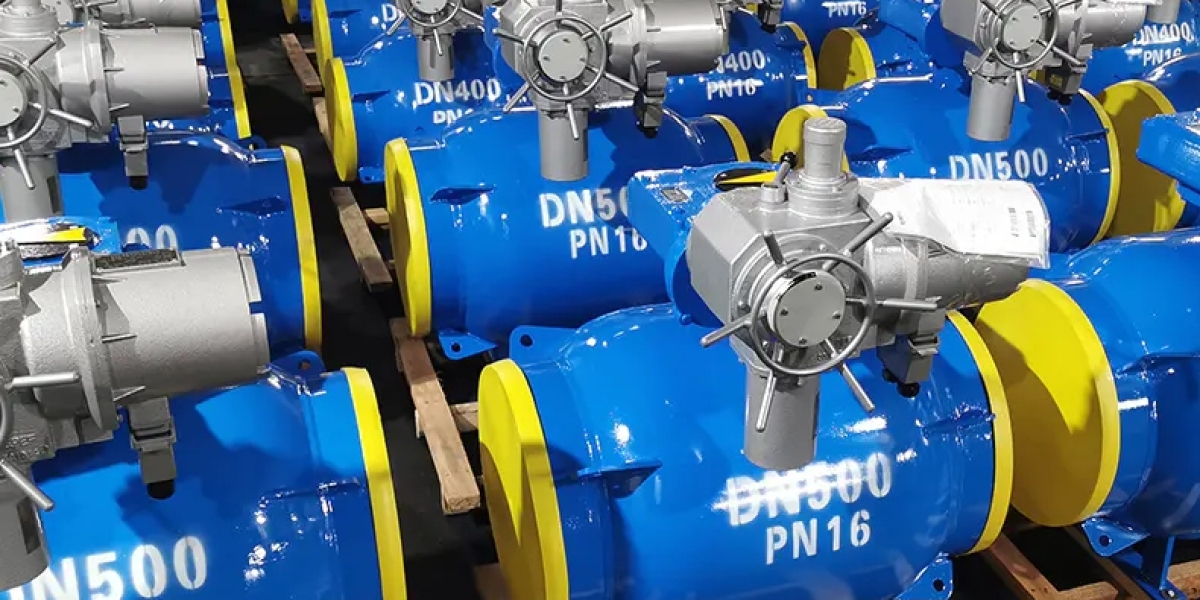

Industrial fluid systems depend on effective isolation equipment to control flow, support maintenance, and protect connected process components. A Forged Steel Floating Ball Valve combines a forged steel body with a floating-ball mechanism in which differential pressure helps move the ball against the downstream seat. This structure can provide dependable shut-off for many applications when the valve is correctly sized and selected. Its suitability depends on the design pressure, operating temperature, media characteristics, nominal diameter, seat arrangement, and applicable engineering standards.
Forged steel construction is an important consideration for pressure-containing components. During forging, metal is shaped under compressive forces, producing a material structure that differs from that of cast components. Properly controlled forging and subsequent processing can provide useful mechanical properties for selected industrial duties. However, the performance of a finished valve also depends on the material grade, heat treatment, machining, component design, and inspection. Buyers should assess these factors together instead of assuming that a forged body automatically meets every pressure or temperature requirement.
The floating-ball mechanism is relatively straightforward. The ball is held in position by the valve assembly but can move slightly under the influence of differential pressure. As pressure acts across the closed valve, the ball is pushed toward the downstream seat, helping create the sealing contact. This arrangement can be effective for many general shut-off applications. However, as valve size or pressure increases, the loads on the seats and the torque required to operate the valve may also increase. These effects should be considered during selection.
Seat materials determine much of the valve's sealing behavior. Soft-seat materials may offer tight shut-off in applications where the temperature, pressure, and fluid chemistry are compatible with their limits. PTFE and other engineered polymers are used in some valve designs, but the exact material must be selected according to the service requirements. For applications involving higher temperatures or more demanding media, alternative constructions may be necessary. The chosen seat must be compatible with both the fluid and the expected operating cycle.
Material selection extends beyond the body. The ball, stem, seats, fasteners, and other wetted components must be suitable for the medium and operating environment. Carbon steel may be appropriate for many general industrial services, while stainless or alloy steel options may be considered for particular corrosion, temperature, or strength requirements. The design pressure, temperature range, fluid composition, and potential exposure to contaminants should be reviewed before finalizing the material specification. For corrosive or hazardous service, the full material compatibility assessment is especially important.
Manufacturing accuracy affects both sealing and ease of operation. The ball's surface finish, seat dimensions, stem fit, and body interfaces must meet the required tolerances. Poor alignment or inconsistent machining can result in uneven seat contact, excessive torque, or premature component wear. A controlled production process should therefore include appropriate machining, dimensional inspection, assembly verification, and testing. These checks help improve product consistency and reduce the likelihood of avoidable problems after installation.
Connection options and installation dimensions must match the pipeline system. Depending on the model, available connections may include flanged or other specified end configurations. Buyers should confirm nominal size, pressure class, connection dimensions, face-to-face length, and operating clearance. They should also check whether the valve will be operated manually or by an actuator. Where automated operation is required, the actuator should be sized using the manufacturer's torque information for the actual operating conditions.
Floating ball valves can serve various industrial applications, including utility lines, water systems, selected chemical processes, and compatible oil and gas services. No single valve configuration is suitable for every medium. Applications involving abrasive particles, severe pressure differentials, extreme temperatures, or hazardous fluids may require a different structure or specialized sealing system. Project engineers should establish the operating envelope and relevant standards before choosing a product.
Quality verification should follow the applicable product standard and purchase specification. Depending on the order, inspection may include material checks, dimensional verification, shell pressure tests, seat leakage tests, and operational testing. Documentation requirements should be agreed upon before production, especially for projects that require traceability or third-party inspection. Buyers should also verify that the test results and ratings apply to the precise model being purchased.
Long-term reliability depends on proper installation, operation, and maintenance. Pipeline cleanliness, correct alignment, compatible operating conditions, and adherence to the manufacturer's instructions help protect sealing components. If operators notice leakage, abnormal torque, or difficulty operating the valve, they should investigate the cause using approved procedures rather than forcing the mechanism. Routine inspection and the use of compatible replacement parts can help preserve performance throughout the service life.
For procurement teams, choosing a Forged Steel Floating Ball Valve involves balancing body construction, sealing requirements, operating limits, and lifecycle considerations. Zhejiang Naishi Valve Co., Ltd. provides industrial valve options for different pipeline applications, with the final configuration selected according to the project's technical requirements. To review the available product range and discuss suitable specifications, visit https://www.ncevalve.com/product/.