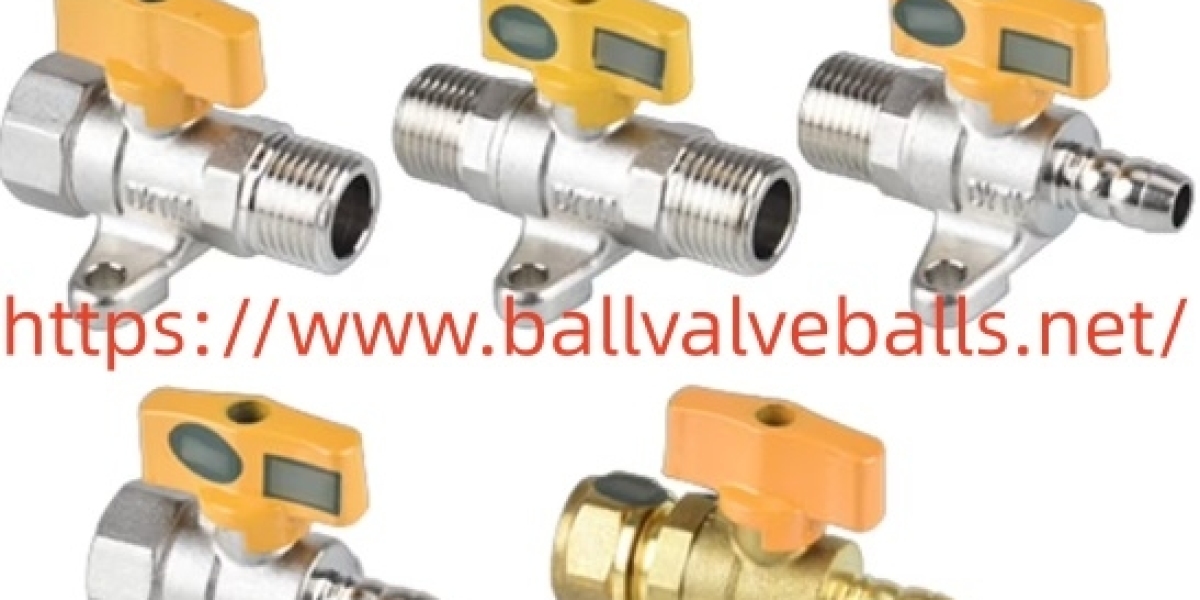

Ball Valve Fixed Ball design is commonly associated with a trunnion-mounted structure, where the spherical component is supported by mechanical elements and rotates around a defined axis. A floating configuration differs because the sphere can move slightly under fluid pressure to help create a seal against the downstream seat. Although both designs regulate flow through rotational movement, their internal support arrangements affect sealing behavior, operating torque, load distribution, and maintenance planning. Understanding these distinctions helps engineers and purchasing teams match components to equipment specifications and operating conditions.
Understanding the Internal Structure
The primary difference lies in how the spherical component is positioned inside the body. In a floating configuration, it is held between seat rings and connected to the operating stem. When the assembly closes, fluid pressure can push it toward the downstream seat. This movement increases contact force at the sealing interface.
A trunnion-mounted configuration uses additional supports to restrict sideways movement while allowing rotation. The sphere remains in a controlled position as the seat assemblies contact its surface. This arrangement changes how pressure-related loads travel through the internal assembly.
The appropriate structure depends on nominal diameter, pressure rating, operating frequency, and equipment requirements. Buyers should review sectional drawings and technical specifications because external appearance alone may not reveal the internal support arrangement.
Why Sealing Behavior Matters
Sealing performance depends on contact between the spherical surface and the seat. In a floating arrangement, fluid pressure can move the sphere toward the downstream seat, increasing contact force. The result depends on seat material, surface finish, dimensional accuracy, and the operating environment.
In a trunnion-mounted configuration, the sphere remains supported while the seats respond to the design and pressure conditions. Some configurations use spring-loaded seats to maintain initial contact, while fluid pressure may contribute to sealing force. The exact mechanism varies according to the product specification.
Before ordering, buyers should clarify leakage criteria, pressure direction, seat arrangement, and cavity pressure management. These details matter for systems with specific isolation requirements. Request applicable test records and confirm that documented test conditions match the intended application.
How the Structure Influences Operating Torque
Operating torque affects manual operation and actuator selection. In a floating configuration, increasing differential pressure may increase the force between the spherical component and downstream seat. Friction at this interface can influence the torque required for rotation.
A trunnion-mounted arrangement transfers pressure-related loads through its support system. Depending on the application, this can help manage rotational resistance, particularly for larger sizes or demanding pressure conditions. However, the final torque also depends on the complete assembly and should be confirmed using manufacturer specifications.
Seat material, surface condition, temperature, lubrication requirements, and operating frequency can all affect movement. For automated equipment, buyers should request torque data and verify actuator compatibility before placing an order. Reviewing these details early can help prevent equipment sizing problems during installation.
Which Configuration Fits Your Application?
A floating configuration may suit equipment where diameter, pressure rating, and seat loading remain within the specified operating range. Its internal arrangement can be appropriate for projects that meet design requirements without additional support components.
A trunnion-mounted configuration may be considered for larger pipeline sizes, demanding pressure conditions, or applications where controlled operating torque is important. Pressure alone should not determine the selection. Temperature, fluid composition, corrosion exposure, operating cycles, leakage requirements, and maintenance access also deserve attention.
Before requesting a quotation, prepare the nominal diameter, pressure class, operating temperature, process medium, connection type, seat requirements, and actuation method. If the project requires compliance with a particular industry standard, identify it in the specification and request relevant documentation. Clear requirements help the manufacturer evaluate the proposed configuration.
Manufacturing Details Buyers Should Review
Manufacturing accuracy affects component compatibility and assembly. Relevant inspection points may include diameter, roundness, surface roughness, dimensional tolerances, material grade, and hardness where specified. Requirements should follow the approved drawing and intended operating conditions.
For customized projects, buyers can share technical drawings, target dimensions, material preferences, and service parameters before production begins. This gives the manufacturing team an opportunity to review critical measurements and clarify potential assembly concerns. Depending on the project, material traceability and inspection records may also be necessary.
When comparing quotations, review the technical scope alongside the price. Confirm the material specification, inspection criteria, production schedule, packaging, and delivery arrangements. A clear purchasing specification can reduce misunderstandings and improve communication between both parties.For companies sourcing precision spherical components, direct communication with a manufacturer can help clarify drawings, material choices, and dimensional requirements. ballvalveballs supports customer enquiries about industrial components, manufacturing specifications, and project requirements. Visit https://www.ballvalveballs.net/ to review the product range and contact the team with your drawings, dimensions, material preferences, or application details.