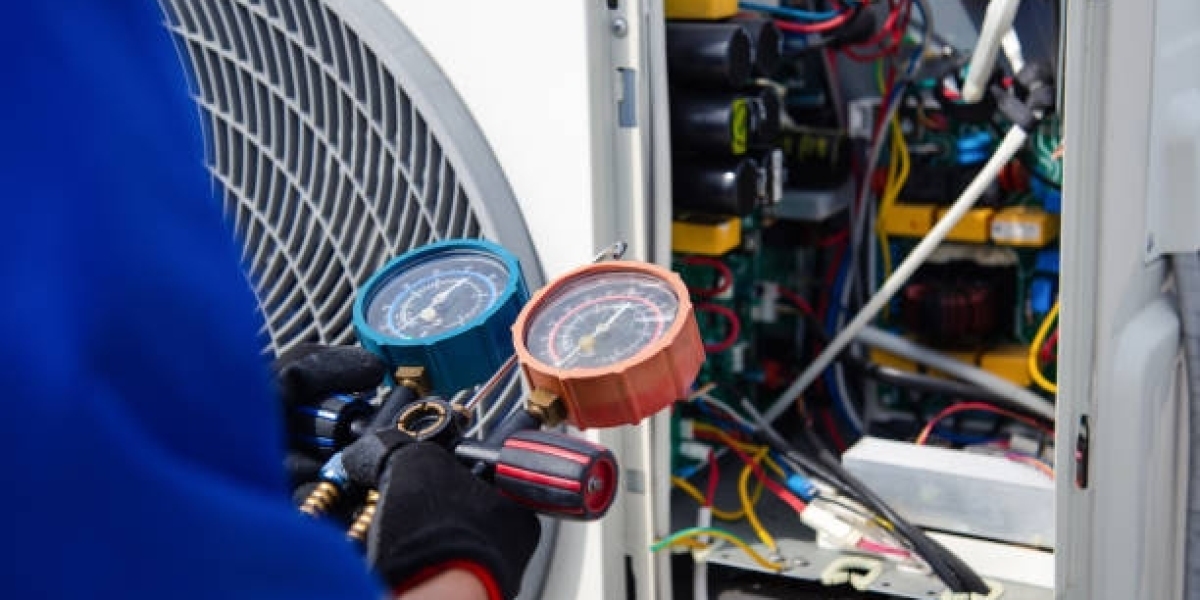

The GCC's hot climate, expanding construction activity, and growing calendar of large-scale events are strengthening demand for temporary heating, ventilation, and air-conditioning solutions. HVAC rental services allow residential, commercial, and industrial users to access cooling equipment for specific periods without purchasing permanent systems, making the model relevant to construction sites, exhibitions, hospitality facilities, and emergency replacement requirements.
A comprehensive assessment by Markntel Advisor’ GCC HVAC Rental Market report projects the market to expand at a CAGR of around 3.48% during 2023–2028. The Industry identifies harsh climatic conditions, infrastructure development, rising construction activity, expanding events and exhibitions, and growing demand for flexible cooling solutions as important factors influencing market development.
Construction Activity Creates Consistent Rental Demand
Construction represents a major application for HVAC rental services across the GCC. Large infrastructure and commercial projects often require temporary cooling for worker accommodation, project facilities, offices, and other structures before permanent HVAC systems become operational.
Saudi Arabia's development pipeline is particularly relevant to this demand. The country's Vision 2030 project portfolio includes major developments spanning real estate, tourism, transportation, entertainment, and infrastructure. Such projects can create requirements for temporary cooling during different phases of construction.
The market study identifies construction as the leading application segment, supported by large-scale development across the UAE, Saudi Arabia, Qatar, and Kuwait. The combination of hot weather and large construction workforces makes temporary air conditioning an important site requirement.
Events and Exhibitions Expand Short-Term Requirements
The GCC has become a significant destination for international exhibitions, conferences, sporting programs, cultural events, and business gatherings. These activities can create temporary cooling requirements in exhibition halls, event spaces, temporary structures, and large venues.
Centralized air conditioners are particularly relevant to this application because chillers, VRFs, and related systems can serve large areas where room-level cooling equipment may not be sufficient. The market report identifies centralized air conditioners as a significant rental category because of their use across events, conferences, commercial spaces, hospitals, stations, and industrial facilities.
This demand can fluctuate according to event schedules, creating a natural role for rental models where purchasing permanent equipment would not be economically appropriate for temporary facilities.
Long-Term Rental Contracts Gain Traction
While short-term rentals remain important for construction projects, breakdowns, and events, the report identifies the emergence of long-term rental contracts as a key market trend. Businesses can use these arrangements to secure cooling capacity for extended periods while avoiding the upfront capital expenditure associated with purchasing HVAC equipment.
Long-term contracts can also provide greater predictability for operating budgets. This model is relevant to facilities that require additional cooling capacity for several years, particularly where demand is temporary or where permanent equipment installation is not practical.
Equipment Breakdowns Create a Backup Market
HVAC rental services also provide an alternative when installed cooling equipment fails unexpectedly. Commercial buildings, industrial facilities, healthcare establishments, and other temperature-sensitive environments may require replacement or supplemental cooling while permanent systems are repaired.
This application makes rental equipment particularly relevant in the GCC because cooling is essential for maintaining comfortable indoor environments during periods of high temperatures. Rental providers can supply equipment for a limited period, reducing the need for organizations to maintain extensive backup capacity themselves.
Energy Efficiency Becomes Increasingly Relevant
Although rental HVAC equipment is typically deployed for flexibility and speed, energy efficiency is becoming a more important consideration. Customers increasingly need systems that can provide required cooling while limiting operating expenses and electricity consumption.
The UAE has established efficiency requirements for cooling equipment, with the government promoting energy-efficient electrical appliances and efficiency labeling for window and split air-conditioning systems. Its official energy-efficiency guidance highlights the country's efforts to reduce electricity consumption through more efficient equipment.
Rental companies therefore have an incentive to maintain modern equipment that combines adequate cooling capacity with improved operating efficiency.
UAE Maintains a Strong Market Position
The UAE held a leading position in the GCC HVAC rental market during the historical period covered by the study. Rapid urbanization, infrastructure development, international events, exhibitions, tourism, and oil and gas activities have created diverse requirements for temporary HVAC systems.
The country's role as an events and tourism hub also creates demand outside the construction sector. Temporary cooling may be required for exhibitions, conferences, sports activities, hospitality facilities, and other large gatherings.
Saudi Arabia Provides Additional Growth Opportunities
Saudi Arabia represents another important market as infrastructure, tourism, hospitality, entertainment, and real-estate projects expand. The Saudi Contractors Authority's overview of construction under Vision 2030 highlights the development of sectors including real estate, transportation, manufacturing, healthcare, hospitality, and tourism.
These developments create multiple settings where temporary or supplementary HVAC capacity may be required. Religious tourism also represents a specific opportunity identified by the market study, as temporary cooling can support facilities serving pilgrims during periods of high demand.
Import Dependence Remains a Restraint
Despite the market's growth prospects, dependence on imported HVAC equipment and spare parts remains a potential constraint. Disruptions affecting international shipping, transportation, or equipment supply can lead to delivery delays and higher costs for rental providers.
Maintaining reliable inventories, spare parts, and equipment fleets can therefore be important for rental companies seeking to respond quickly to customer requirements. Regional supply-chain resilience may become increasingly relevant as demand for temporary cooling expands.
Overall, the GCC HVAC rental market is being shaped by construction, major events, harsh climatic conditions, infrastructure development, and the growing preference for flexible equipment-access models. Long-term rental contracts and energy-efficient equipment are likely to remain important areas of development as businesses seek adaptable cooling solutions without the full capital commitment of permanent installations.