Lung tissue is soft, spongy, and easy to tear. One slip with the wrong clamp can cause air leaks, bleeding, and a longer recovery for the patient. Duval forceps are a medical instrument designed to solve this problem. They let surgeons lift and hold delicate tissue firmly without crushing it. How duval forceps work, where surgeons use them, and what to look for when you buy them.
What Are Duval Forceps?
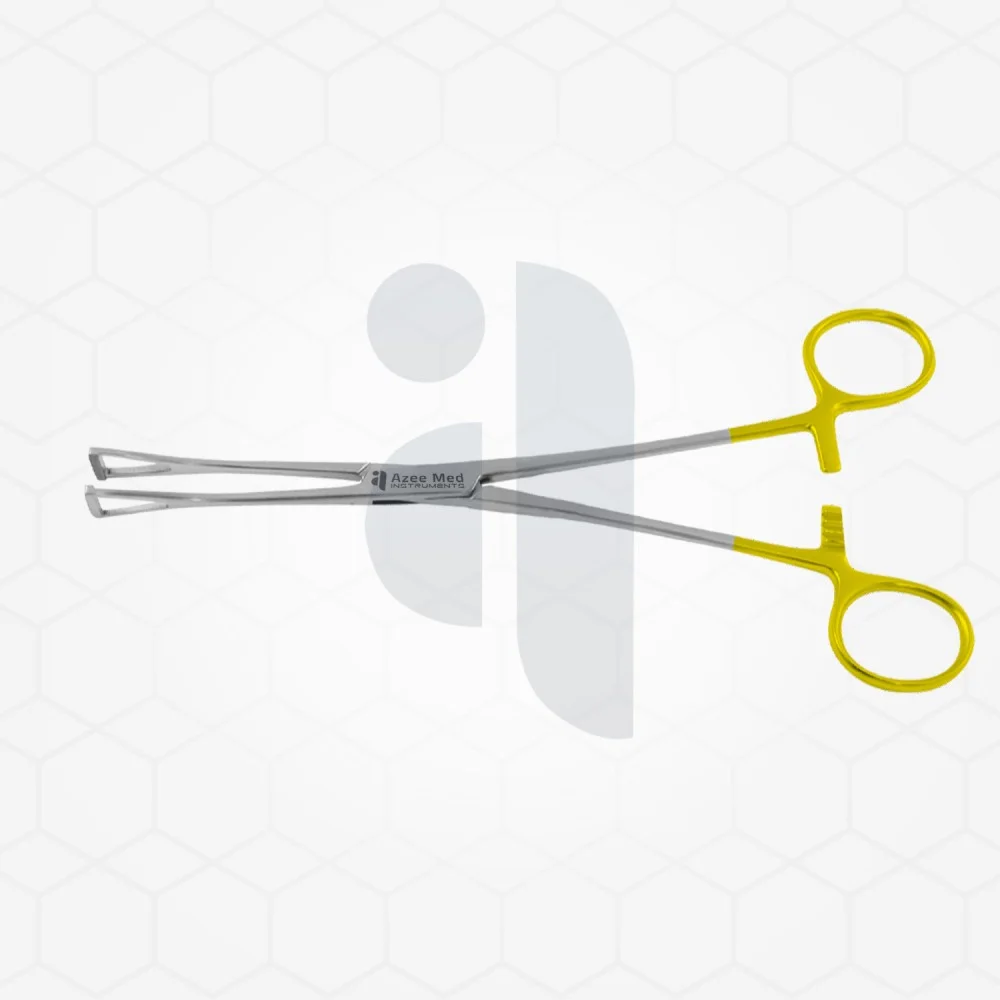
Duval forceps are atraumatic grasping clamps named after Pierre Duval, a French surgeon known for his work in thoracic and abdominal surgery. They have ring handles, a ratchet locking mechanism, and distinctive triangular jaws. Each jaw is open in the center, which surgeons call fenestrated, and lined with fine serrations along the edges. This shape is what sets them apart from standard tissue forceps.
How the Design Protects Tissue
The triangular, open jaws spread pressure across a wider area instead of pinching one small point. As a result, the surgeon gets a steady grip while the tissue stays intact. The fine serrations stop the clamp from sliding, even on slippery surfaces. The ratchet lock holds the jaws at a set tension, so the surgeon can keep tissue in place while focusing on the next step. Most patterns come in lengths of about 16 to 23 centimeters, giving good reach into the chest cavity.
Common Clinical Uses
Thoracic surgeons rely on these forceps during lobectomy, wedge resection, and other lung procedures. They use them to grasp lung lobes, retract tissue, and expose the area they need to work on. General surgeons also reach for them when handling the bowel or other soft organs. In each case, the goal is the same: control without trauma. That versatility earns them a regular place on many surgical trays.
Why Quality Matters
A poorly made clamp can do real harm. Misaligned jaws may grip unevenly, and rough edges can damage tissue. High-grade duval forceps feature precisely matched jaws, smooth fenestration edges, and a ratchet that engages cleanly and holds securely. Surgical-grade stainless steel resists corrosion and keeps its strength through repeated sterilization. A satin finish cuts glare under bright operating lights, while balanced weight eases hand fatigue during long cases.
AzeeMed: Your Trusted Partner in Surgical Instruments
AzeeMed focuses on making surgical instruments of the highest quality for the medical community around the globe. With over two decades of experience, the company offers an array of instruments for many surgical specialties, including plastic, dental, ophthalmic, neuro and spine, and orthopedic surgeries. Every pair of chest drain in the AzeeMed range goes through careful inspection for jaw alignment, ratchet performance, and finish. Surgeons and procurement teams can count on tools that perform consistently in busy operating rooms.
Conclusion
Safe tissue handling protects patients and helps surgeons work with confidence. With their triangular fenestrated jaws, fine serrations, and secure ratchet, these clamps give surgeons the gentle control that lung and soft-tissue procedures demand. Choosing reliable duval forceps means less tissue damage, a clearer field, and smoother operations. Backed by decades of expertise, AzeeMed delivers instruments that surgeons trust.