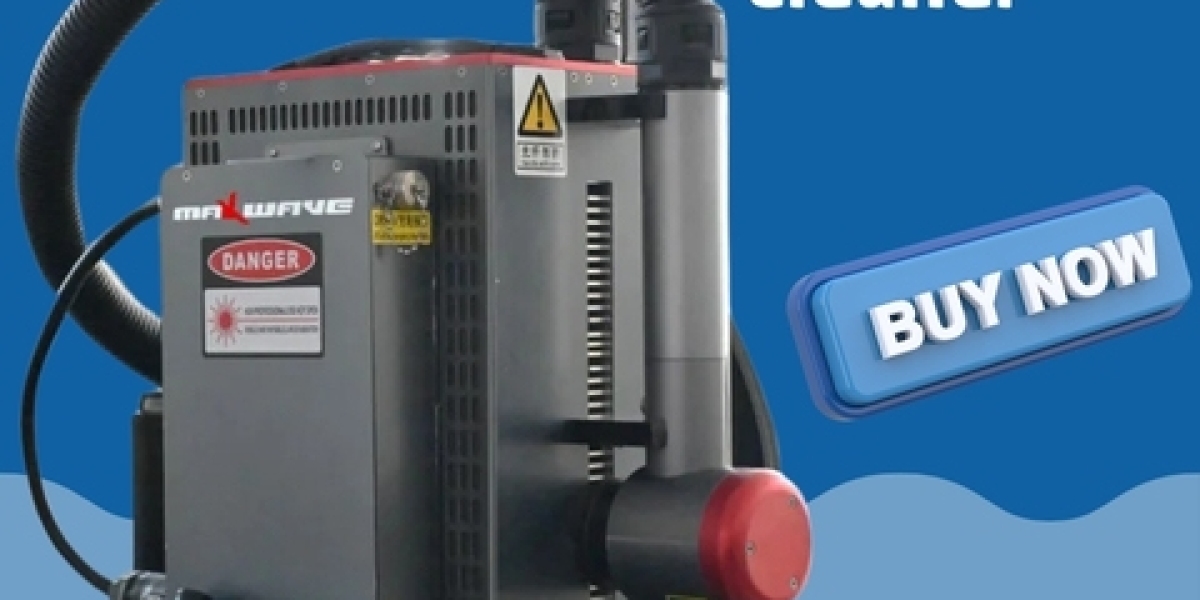

Industrial surface cleaning is an essential process in manufacturing, automotive repair, metal fabrication, and equipment maintenance. Traditional cleaning methods often involve chemicals, abrasive materials, or manual labor, which can increase processing time and create additional waste. Laser cleaning offers a modern alternative by using focused laser energy to remove unwanted materials from surfaces.
A handheld laser cleaner is designed to make this process more flexible and convenient. Its portable design allows operators to clean different components, metal structures, tools, and machinery with greater control. For businesses looking to improve cleaning efficiency and maintain surface quality, this technology provides a practical solution for a wide range of industrial applications.
How Does a Handheld Laser Cleaner Work?
Laser cleaning uses a concentrated beam of light to remove contaminants such as rust, paint, oil, oxidation, and other unwanted surface deposits. When the laser interacts with the contaminant, the material absorbs energy and separates from the underlying surface through processes determined by the laser settings and material properties.
The operator guides the cleaning head across the target area, adjusting the working speed and cleaning parameters according to the condition of the material. Proper configuration helps achieve consistent results while minimizing unwanted effects on the base material.
Before starting a project, operators should test the selected settings on a small area to confirm that the cleaning process is suitable for the surface.
Applications Across Different Industries
The versatility of laser cleaning makes it useful in many industrial environments. Its applications depend on the laser power, operating mode, surface material, and type of contamination.
Rust Removal from Metal Surfaces
Rust can weaken metal components, affect their appearance, and interfere with painting or welding. Laser cleaning can remove rust from steel frames, metal tools, machine parts, and other components before further processing.
This method is particularly useful for workshops that regularly restore metal products or prepare surfaces for protective coatings.
Paint and Coating Removal
Removing old paint and coatings is often necessary during equipment refurbishment and maintenance. A handheld system can target selected areas of a component, helping operators remove unwanted layers without treating the entire surface unnecessarily.
Correct parameter selection is important to avoid damaging the underlying material, especially when working with thin sheets or delicate components.
Industrial Equipment Maintenance
Machinery can accumulate grease, oxidation, and production residues during regular operation. Laser cleaning can help maintain selected components and prepare equipment surfaces for inspection, repair, or refinishing.
Its portable format makes it suitable for cleaning certain large structures and difficult-to-reach areas, provided that the work environment and equipment setup permit safe operation.
Surface Preparation for Welding
Clean surfaces are important for producing consistent welding results. Contaminants such as rust, oil, and oxidation may interfere with the welding process or affect joint quality.
A handheld laser cleaning system can prepare suitable metal surfaces before welding, helping manufacturers establish a more controlled production process.
Choosing the Right Equipment for Your Business
Selecting suitable laser cleaning equipment requires careful consideration of your materials, cleaning requirements, and production environment.
Laser power: Different contamination levels and materials may require different power levels. Light surface oxidation may need a different setup from thick rust or multiple coating layers.
Laser source: Pulsed and continuous-wave systems operate differently. Pulsed lasers are often considered for applications requiring controlled energy delivery, while continuous-wave systems may suit certain high-throughput cleaning tasks.
Portability: Consider the weight of the cleaning head, the overall machine design, cable length, and the amount of movement required during daily operations.
Control settings: Adjustable parameters allow operators to adapt the cleaning process to different surfaces and contaminants. Clear controls can also make equipment easier to operate consistently.
Technical support: Before purchasing, review the supplier's training, maintenance guidance, warranty terms, and availability of replacement parts. A reliable supplier should help match the equipment to your actual application.
Operating and Maintaining Laser Cleaning Equipment
Proper operation is essential for achieving consistent cleaning results and protecting workers. Operators should receive appropriate training and follow the manufacturer's instructions throughout the cleaning process.
Laser cleaning may create hazardous reflections, airborne particles, or fumes depending on the material being treated. Use the required laser-rated protective equipment, suitable extraction and filtration, controlled access to the work area, and appropriate laser safety measures. Reflective metals require particular attention because reflected laser energy can present serious hazards.
Regular maintenance should include inspecting cables, connectors, the cleaning head, protective components, and ventilation or extraction systems. Keep the equipment clean, follow the manufacturer's service schedule, and investigate unusual operating behavior before continuing production.
These practices can help maintain reliable operation and support a safer working environment.
Is a Handheld System a Good Investment?
A handheld laser cleaner may be a suitable investment for manufacturers, metalworking shops, restoration specialists, and maintenance teams that frequently remove rust, paint, or industrial contaminants. Its value depends on the amount of cleaning work performed, the labor required by existing methods, consumable costs, and the desired finish.
When comparing suppliers, request application demonstrations and sample cleaning results using materials similar to those handled in your facility. Ask for details about operating costs, recommended safety arrangements, service requirements, and expected cleaning speeds under realistic conditions.
Comparing these factors will help you determine whether laser cleaning fits your workflow and production budget.
Final Thoughts
Modern laser technology is changing how industries approach surface preparation, rust removal, and equipment maintenance. A handheld laser cleaner provides a flexible option for businesses that need controlled cleaning across different metal components and industrial applications.
By selecting suitable equipment, training operators, and following established safety procedures, businesses can integrate laser cleaning into their existing workflows. Careful supplier evaluation and application testing will help ensure that the chosen system meets practical production requirements and delivers consistent cleaning results over time.
#HandheldLaserCleaner #LaserCleaning #LaserRustRemoval