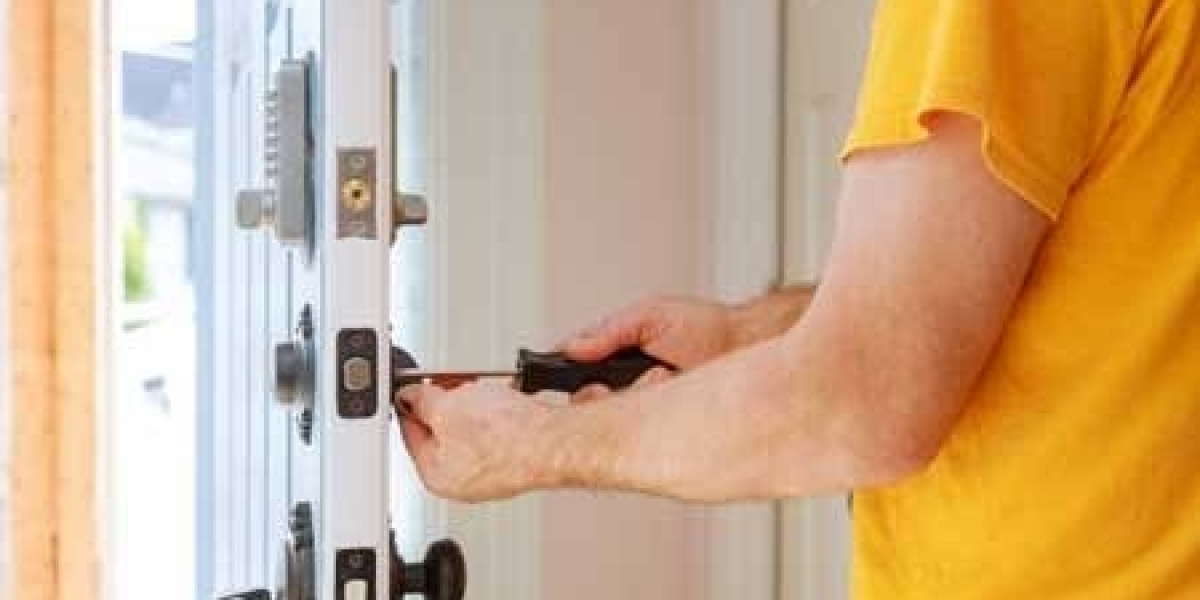

A door handle and lock are designed to work as part of the same system. When everything is functioning properly, the handle should operate the latch smoothly, while the lock should secure the door without requiring unusual effort. You should be able to open, close, lock, and unlock the door without having to adjust the handle or repeatedly try the key.
Over time, however, the relationship between these components can change. The handle may become loose, the latch may stop retracting properly, or the key may become difficult to turn when the handle is in a particular position. Sometimes the problem can be solved with a simple adjustment, while in other cases the hardware may have become too worn or incompatible and need changing.
For Dubai homeowners, understanding the signs can help determine whether the issue requires a small repair or a more complete hardware upgrade.
When Should a Handle and Lock Work Together?
The handle and locking mechanism have different jobs, but they need to cooperate correctly. The handle normally controls the latch, allowing the door to open and close, while the lock prevents unauthorised operation of the mechanism.
When the door is properly aligned and the hardware is functioning correctly, these actions should feel natural. The handle should move without excessive resistance, and the key should turn without needing unusual pressure.
If you suddenly have to lift the handle before turning the key, push the door while locking it, or repeatedly operate the handle before the latch retracts, something may need attention.
A Loose Handle Can Affect the Door
One of the most noticeable warning signs is a handle that has developed movement.
A handle can become loose through regular use, particularly on an entrance that is opened and closed many times every day. In some cases, the fix may simply involve tightening or adjusting the relevant hardware.
However, a repeatedly loose handle may indicate worn components or an installation issue.
If the handle continues moving after adjustment, it is worth having the complete handle and lock arrangement inspected rather than repeatedly tightening it without identifying the underlying cause.
When the Key Only Turns With the Handle in a Certain Position
This is another useful clue.
If the key turns normally when the handle is lifted, pushed, or pulled but becomes difficult when the handle is left in its normal position, the latch or door alignment may be affecting the locking mechanism.
The lock itself may not necessarily be defective.
A door that has shifted slightly within its frame can put pressure on the latch or bolt. This additional pressure can make the key harder to turn.
Before replacing the lock, the complete door setup should therefore be checked.
The Latch May Be Wearing Out
The latch is responsible for keeping the door closed when it is not fully locked.
When you operate the handle, the latch should retract smoothly. If it becomes stiff, slow, or inconsistent, the handle may begin to feel different.
You might notice that the handle needs to be pressed further than before or that the door does not open immediately after the handle is operated.
A worn latch can affect the overall performance of the door and may eventually make the lock harder to operate.
Depending on the hardware, replacing an individual component may be possible rather than changing the entire system.
Door Alignment Can Create Similar Symptoms
A door that is slightly out of alignment can make perfectly functional hardware feel faulty.
For example, the latch may rub against the strike plate instead of entering it cleanly. A deadbolt may also struggle to move into its opening if the door or frame has shifted.
You may notice that the lock works easily when the door is open but becomes difficult when the door is closed.
This is an important distinction.
If the lock operates smoothly with the door open but becomes difficult once the door is shut, the alignment of the door and frame should be considered before deciding that the lock itself needs replacement.
What Happens When the Handle Becomes Stiff?
A stiff handle should not be ignored if the problem continues.
The handle may have internal wear, the spindle may be affected, or another component may be creating resistance.
If the handle is difficult to operate, people sometimes compensate by applying more force. Over time, this can place additional stress on the surrounding hardware.
A professional can inspect the handle, latch, spindle, and locking mechanism together and determine whether adjustment or replacement is more appropriate.
Does the Lock Feel Fine but the Handle Does Not?
It is possible for the lock to continue working while the handle develops a problem.
If the key turns normally but the handle feels loose or fails to retract the latch properly, the handle or latch assembly may need attention.
In this situation, replacing the entire lock may not necessarily be required.
This is why identifying which part of the system is actually failing is important. Replacing a working component unnecessarily can increase the cost without solving the real issue.
When Hardware Compatibility Becomes a Problem
Sometimes the handle and lock may not be ideally matched.
This can happen after previous repairs, renovations, or hardware changes. A new handle may have been installed with an older locking mechanism, or a replacement lock may not work as smoothly with the existing handle arrangement.
The components may technically fit together while still producing poor operation.
If the door has had several different hardware changes over the years, it can be useful to have the complete setup assessed.
Should You Replace the Whole Setup?
Not automatically.
A professional may determine that only the handle, latch, cylinder, or another component needs changing.
However, replacing multiple components together can make sense when the existing hardware is heavily worn, incompatible, repeatedly failing, or difficult to maintain.
A coordinated set of hardware can also provide more consistent operation than continuing to combine ageing components from different systems.
The decision should be based on the condition of the hardware and how the door is used.
Think About the Main Entrance
The main entrance deserves particular attention because it is usually the most frequently used and security-sensitive door in the property.
If the handle is loose, the latch does not retract properly, or the lock requires unusual force, waiting until complete failure may create an unnecessary emergency.
A main entrance that becomes difficult to operate can eventually leave you unable to enter or properly secure the property.
Addressing the warning signs while the door remains functional gives you more flexibility.
What About Internal Doors?
Internal doors can have different requirements.
A bedroom, office, storage room, or utility area may not need the same type of locking arrangement as a main entrance.
If an internal handle and lock are no longer working correctly, consider how the room is used before selecting replacement hardware.
The appropriate solution may be a simple handle or latch replacement rather than a higher-security entrance lock.
Consider Your Current Security Requirements
A hardware problem can also be an opportunity to review whether the existing lock still suits the property.
Security requirements can change over time. A property may have new occupants, different access needs, or a different usage pattern.
If the current lock is old or no longer provides the functionality you want, replacing it may be worth considering even if it still technically works.
However, security should be considered alongside compatibility, door construction, and everyday usability.
Repair or Door Lock Replacement?
When the handle and lock stop working well together, homeowners often ask whether they need a repair or complete replacement.
Repair may be appropriate when the hardware is fundamentally sound and the problem is caused by loose fittings, alignment, or a replaceable component.
Replacement may make more sense when the lock or associated hardware is worn, damaged, repeatedly unreliable, or no longer suitable for the door.
If you are considering door lock replacement Services, explain the symptoms rather than simply requesting a new lock. This allows the professional to assess whether replacement is actually necessary.
Choosing Replacement Hardware
If replacement is recommended, compatibility should be one of the first considerations.
The new hardware needs to suit the door's thickness, preparation, handle arrangement, cylinder configuration, and existing locking points.
Appearance is important to many homeowners, but it should not be the only consideration.
A lock that looks attractive but does not fit or operate correctly can create another problem.
The hardware should provide the required security while remaining practical for everyday use.
Professional Installation Matters
Correct installation is just as important as selecting appropriate hardware.
The handle, latch, cylinder, strike plate, and locking mechanism need to work together correctly. Poor alignment can make a new lock difficult to operate even if the hardware itself is suitable.
After installation, the door should be tested several times.
The handle should retract the latch smoothly, the key should turn normally, and the locking mechanism should engage without excessive pressure.
Test the Door Before the Job Is Complete
Once repairs or replacement have been carried out, test the door yourself.
Open and close it several times. Operate the handle and check that the latch retracts properly.
Lock and unlock the door using the key and make sure the key can be removed smoothly.
Also check the door with normal pressure rather than holding it in an unusual position.
If something still feels wrong, mention it immediately.
Do Not Force the Handle or Key
When a handle and lock are not working together, forcing either component can make the situation worse.
A key can bend or break, while excessive pressure on a handle can damage internal components.
If you have to repeatedly push, pull, lift, or force the door before the lock operates, stop and have the system inspected.
The objective is to identify why the components are resisting each other rather than compensating for the problem through additional force.
When to Call a Professional
Professional assistance is worth considering when the problem is persistent, worsening, or affecting the security of the property.
You should especially consider an inspection if the handle is loose, the latch sticks, the key is becoming difficult to turn, the door is misaligned, or the same problem keeps returning after adjustments.
When contacting a locksmith in Dubai, describe the symptoms clearly.
Explain whether the issue affects the handle, key, latch, lock, or the interaction between these components.
A clear description can help the professional understand what to inspect.
Frequently Asked Questions
Why does my key only turn when I move the door handle?
This may happen because the latch or locking mechanism is under pressure, potentially due to door alignment or worn hardware.
Does a loose handle mean I need a new lock?
Not necessarily. The handle may simply need adjustment or replacement. The complete system should be assessed first.
Can a worn latch affect the lock?
Yes. If the latch does not operate correctly, it can affect how the door closes and place additional pressure on the locking mechanism.
Should I replace the handle and lock together?
It depends on their condition and compatibility. If both components are worn or poorly matched, replacing them together may provide a more consistent result.
When should I consider door lock replacement?
Replacement can be appropriate when the existing lock is damaged, repeatedly unreliable, significantly worn, or no longer suitable for the door or your security requirements.
Final Thoughts
A door handle and lock should work together naturally. When the relationship between them starts to change, the problem should not automatically be blamed on the lock alone.
A loose handle, stiff latch, difficult key, unusual door movement, or the need to hold the handle in a particular position can all provide useful clues. The cause may be a simple adjustment, door alignment, a worn component, or hardware that has reached the end of its useful service life.
For Dubai homeowners, addressing these symptoms early can help prevent a situation where the door becomes completely unusable or impossible to secure. Start by observing exactly what happens and avoid forcing the key or handle.
If the hardware is significantly worn or several components are no longer working well together, door lock replacement may be a practical solution. However, replacement should follow an assessment of the complete door and locking arrangement so that the new hardware is compatible and correctly installed.
A properly functioning door should not require special techniques every time you lock or unlock it. If the handle and lock have stopped cooperating, getting the underlying problem checked can restore smoother operation and help keep the entrance dependable for everyday use.








