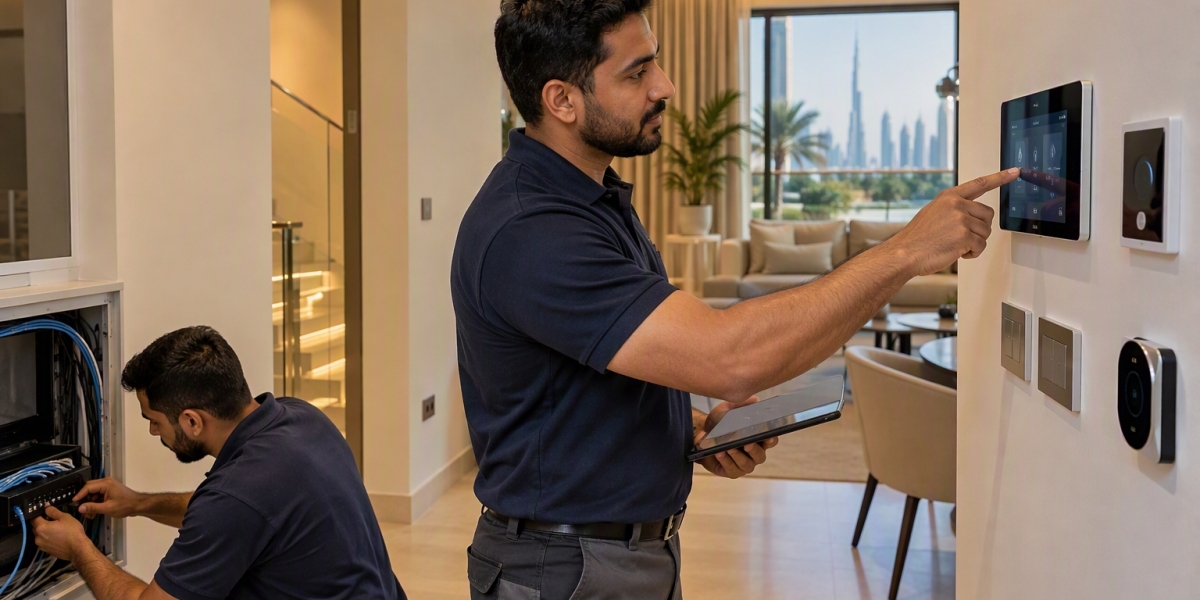

When comparing Top AV Companies in Dubai, it is important to understand what an AV integration proposal should include. A proposal explains the equipment, installation work, system design, and other services needed for a project. It helps customers understand what they will receive and how the system will work. Whether you are planning a meeting room, office, classroom, or home entertainment space, a clear proposal makes it easier to compare options and plan the project.
1. A Clear Description of the Project
The proposal should explain the purpose of the AV system and the areas where it will be installed. For example, a meeting room may need video conferencing equipment, microphones, speakers, and a display. A training room may require projectors, screens, and sound equipment.
The project description should also explain the main requirements of the space. This includes the number of users, room size, type of activities, and expected system use. These details help ensure that the proposed solution matches the actual needs of the customer.
Before reviewing the price, check whether the proposal covers all the required rooms and equipment. If some areas are missing, ask for clarification.
2. Equipment List and Specifications
A detailed equipment list is an important part of an AV integration proposal. It should identify the equipment, quantity, model, and main specifications.
Common items include displays, projectors, speakers, microphones, cameras, control panels, cables, and audio processors. Depending on the project, the list may also include video conferencing systems and network equipment.
Specifications matter because products that look similar can have different features. For example, two displays may differ in screen size, brightness, resolution, and connection options. These differences can affect how well the equipment works in a particular room.
Check whether the equipment suits the intended use. A large conference room may need different audio and display equipment from a small office meeting room.
3. AV System Design and Connections
The proposal should explain how the different devices will connect and work together. An AV system often includes several components that need to communicate correctly.
For example, a conference room may connect a laptop, display, camera, microphones, and speakers through a central control system. Users should be able to start a meeting and manage the equipment without dealing with complicated steps.
The design should also consider cable routes, equipment locations, power access, and network requirements. These details can affect installation time and the final appearance of the room.
Ask whether the proposal includes a system diagram or layout. A clear diagram can help you understand how the equipment will be arranged and connected.
4. Installation and Setup Work
An AV integration proposal should describe the installation work included in the project. This may cover mounting displays, installing speakers, setting up projectors, arranging equipment racks, and connecting cables.
It should also explain whether cable management, mounting accessories, and other installation materials are included. These items may seem small, but they can affect the total cost.
The proposal should state whether the installation team will configure the system after connecting the equipment. Configuration may include setting audio levels, adjusting displays, programming control panels, and connecting video conferencing tools.
Clear installation details help reduce misunderstandings and make it easier to compare different proposals.
5. Project Timeline and Work Schedule
The proposal should provide an estimated timeline for the project. It should explain how long the main stages may take, including preparation, equipment delivery, installation, configuration, and testing.
The timeline can depend on room size, equipment availability, building access, and the amount of installation work required. Projects involving several rooms may need more time than a simple meeting room setup.
For offices and commercial buildings in Dubai, it is also useful to check whether the work schedule considers normal business hours and any building access rules.
Ask how delays will be communicated and whether the schedule depends on other contractors completing their work first.
6. Total Cost and Additional Charges
The price section should clearly explain the expected project cost. Where possible, equipment, installation, programming, testing, and other services should be listed separately.
Check whether delivery, cables, mounting materials, software, taxes, and other charges are included. A proposal with a lower starting price may not cover every item needed to complete the project.
It is also helpful to understand how changes will affect the price. If additional equipment or installation work becomes necessary, the supplier should explain how those costs will be handled.
Comparing the full scope and total cost gives you a more accurate view of each proposal.
7. Testing, Training, and Handover
After installation, the AV system should be tested to check that the equipment works correctly. The proposal should explain whether testing is included and which functions will be checked.
Testing may cover sound quality, display performance, video connections, control panels, and video conferencing. Problems identified during this stage can be addressed before the system is used regularly.
Training is also useful, especially for offices with several users. Staff may need guidance on starting meetings, switching sources, adjusting volume, and using control panels.
The handover process should explain what documents will be provided, such as system diagrams, equipment details, and basic operating instructions.
8. Warranty and Technical Support
A proposal should explain the warranty terms for the equipment and any available technical support. Check the warranty period, what it covers, and whether labour costs are included when repairs are needed.
It is also important to understand what happens if the system stops working after installation. Some support arrangements may include remote assistance, while others may require a separate service visit.
Ask whether maintenance services are available and whether support has additional charges. Clear terms help you plan for the ongoing use of the system.
When reviewing proposals from Top AV Companies in Dubai, compare the equipment, system design, installation scope, timeline, total cost, testing, warranty, and support terms. A detailed proposal should explain what is included, what is excluded, and what you can expect at each stage of the project. This information helps you make a practical decision based on your space, requirements, and budget.