
Choosing a musical instrument can feel exciting—and a little overwhelming. With so many shapes, sounds, and playing techniques to explore, it is tempting to pick the first instrument that catches your eye. A better choice considers two things together musical instruments: your current skill level and the kind of music you want to play.
Start With the Music You Love
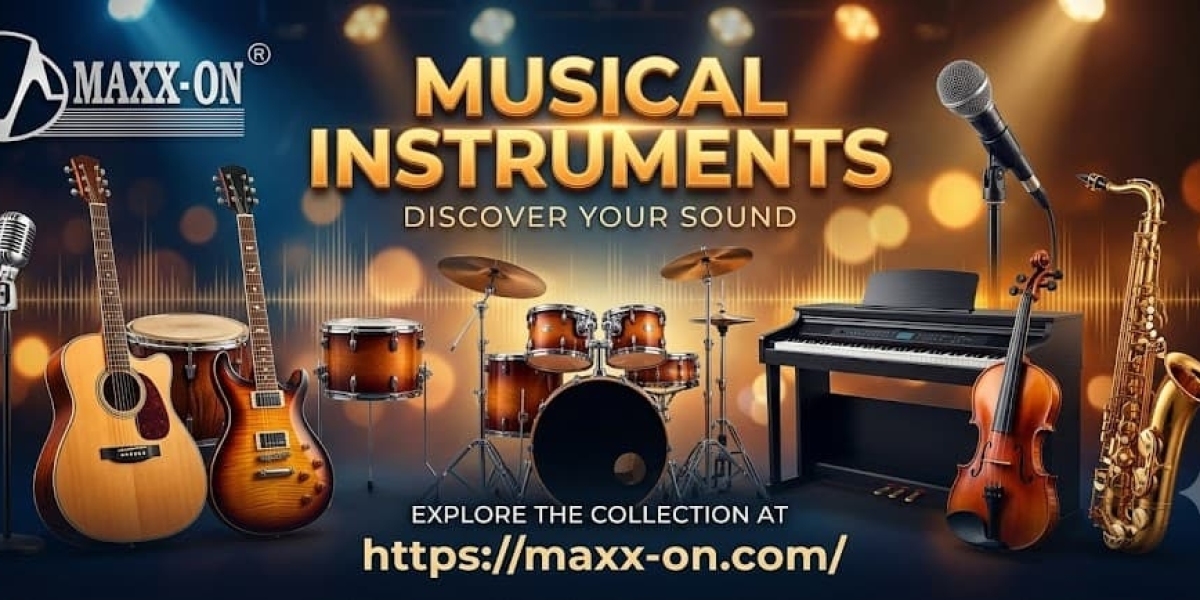
Your favourite music offers a useful starting point. Think about the sounds that draw you in: a bright melody, a deep rhythm, gentle chords, or energetic percussion. Then consider which instruments commonly create those sounds. If you love singing along to songs with chords, a guitar or keyboard may suit you. If you are drawn to strong beats, drums or hand percussion could be a natural fit. For expressive melodies, you might explore a flute, violin, or saxophone.
You do not have to choose an instrument just because it appears in your favourite genre. Many instruments can be used in more than one musical style. Still, imagining the music you hope to make can help narrow the options and keep you motivated when learning feels challenging.
Be Honest About Your Current Skill Level
Beginners benefit from instruments that make it possible to learn basic sounds and techniques without too many barriers. That does not mean you must choose something “easy.” It means considering how much time, instruction, and patience you can give to the learning process.
For a complete beginner: Look for an instrument with clear beginner resources and manageable first steps.
If you have some experience: Choose an instrument or model that lets you build on what you already know, while still offering room to grow.
If you are an advanced player: Consider the tone, range, response, and features you need for your style and performance goals.
Some instruments produce a pleasing sound quickly, while others require careful technique before they feel comfortable. Neither option is automatically better. Ask yourself whether you enjoy a gradual challenge or prefer early milestones that help you feel progress.
Think About Practical Details
The best instrument is one you can actually use. Before choosing, consider where you will practise, how often you can play, and whether you will need lessons. An instrument that is loud, bulky, or difficult to store may be inconvenient in a small home. A portable option may be more suitable if you expect to travel or practise in different places.
Also consider the full cost, not just the initial purchase. You may need accessories, maintenance, replacement parts, or regular lessons. If possible, borrow an instrument, rent one, or try it in person before committing. A short trial can reveal whether its size, feel, and sound suit you.
Match the Instrument to Your Learning Style
People learn music differently. Some enjoy reading notes and following structured lessons; others learn best by listening, copying, and experimenting. Your preferred approach can influence which instrument feels rewarding. For example, a keyboard makes notes easy to see, while a guitar can offer a direct path to playing familiar chord patterns. Wind and bowed instruments may require more attention to breath, posture, or bow control at the beginning.
When trying an instrument, notice more than its sound. Check whether it feels comfortable in your hands and whether you can picture practising it regularly. A strong connection matters: curiosity is often what gets you through the awkward early sessions.
Signs You Have Found a Good Fit Your choice may be right for you if:
You feel excited to practise, even when progress is gradual.
The instrument suits the music you want to explore.
You can manage its size, care, cost, and volume.
Its learning curve feels challenging but not discouraging.
You can imagine continuing with it as your skills develop.
Remember, your first choice does not have to define your entire musical life. You can change direction, learn a second instrument, or discover a style you had not considered. The goal is to begin with something that makes you want to keep listening, learning, and playing.
Frequently Asked Questions
Should beginners choose the easiest instrument?
Not necessarily. Choose an instrument that interests you and has a learning curve you are willing to work through. Enjoyment and regular practice are more important than finding the simplest option.
Can one instrument work for several music styles?
Yes. Many instruments are used across different genres. Explore recordings and lessons to see how an instrument can sound in the styles you enjoy.
Is it better to rent or buy?
Renting or borrowing can be a helpful way to test an instrument before making a larger commitment. If you are confident in your choice, buying may make sense, provided you account for accessories and care.
What if my musical interests change?
That is completely normal. Skills you develop on one instrument can often help you learn another, and changing interests can make your musical journey more varied.
Choose with both your ears and your everyday life in mind. When an instrument matches your interests maxx on, ability, and circumstances, practice feels less like a task and more like an invitation to play.