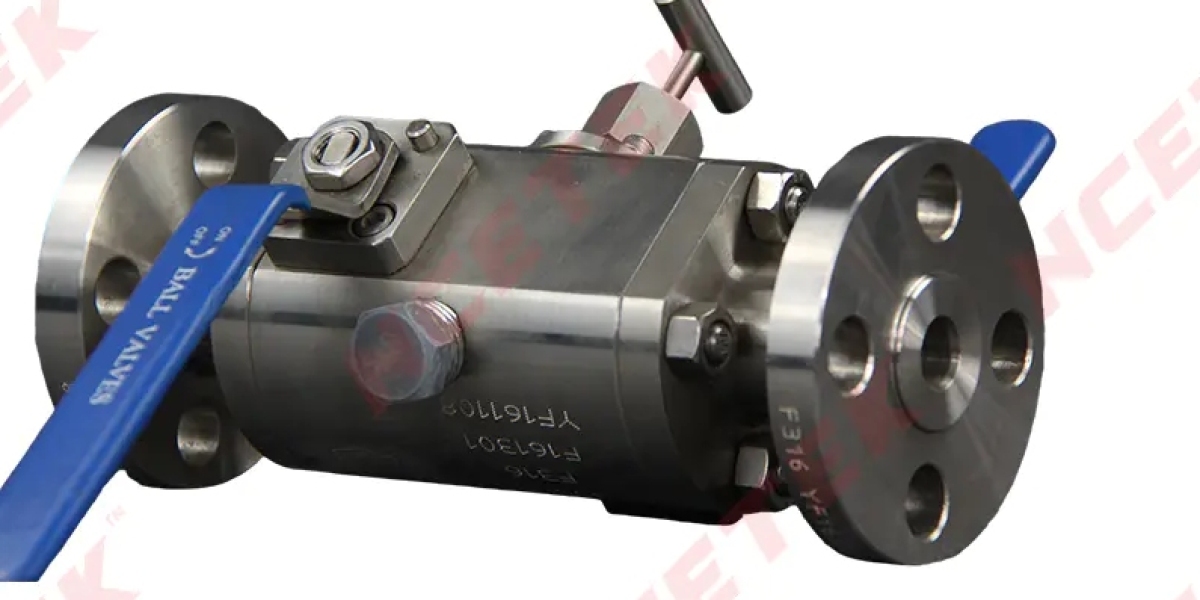

Industrial pipeline systems require isolation valves that can manage pressure loads while providing dependable sealing and predictable operation. A Cast Steel Trunnion Mounted Ball Valve uses a ball supported by dedicated trunnions or comparable support components to help control movement under pressure. This structure is commonly considered for certain larger-size and higher-pressure applications, depending on the valve design and rating. Proper selection requires reviewing the operating medium, pressure differential, temperature range, nominal size, and project standards.
Cast steel body construction supports a range of industrial pressure-containing designs. Depending on the required service, suitable carbon steel or other specified cast steel grades may be considered. Material selection should account for the process fluid, pressure, temperature, corrosion exposure, and applicable design requirements. The body must also work with the ball, stem, seats, bearings, fasteners, and other internal components as a complete assembly. Buyers should confirm the material specification for the actual model rather than relying only on the general description of the valve.
The trunnion-mounted structure is a key difference from floating ball designs. Dedicated support points help keep the ball in position and manage the loads generated by pressure differences across the closed valve. This arrangement can reduce the load transferred directly to the seats compared with some floating-ball configurations. It may also help support larger valve sizes or demanding operating conditions when the design is properly engineered. Performance still depends on the support arrangement, bearing components, stem geometry, and seat mechanism.
Seat design influences sealing performance and operating behavior. Depending on the model, seats may use spring-loaded, pressure-assisted, or other specified arrangements to maintain contact with the ball. These configurations are designed to perform within defined operating conditions, but their behavior varies by product. Buyers should confirm the intended direction of shut-off, leakage acceptance criteria, cavity pressure-management requirements, and compatibility with the process medium. These details are particularly important for hazardous fluids or critical isolation duties.
Operating torque must be considered when selecting manual or automated equipment. Trunnion support can help manage mechanical loads, but torque is also affected by pressure differential, seat materials, temperature, and operating frequency. If a gearbox, pneumatic actuator, or electric actuator is required, sizing should be based on the manufacturer's technical data for the actual configuration. The selected operating system should provide adequate capability without introducing excessive force that could damage internal components.
Connection design and installation dimensions should be confirmed before production. Depending on the model, connections may include flanged or butt-weld ends. The nominal diameter, pressure class, connection standard, face-to-face dimensions, and operating clearance must match the pipeline layout. Where access is restricted, an extended stem or compatible operating accessory may be necessary. Early coordination with the engineering team can help reduce field modifications and support smoother installation.
Cast steel trunnion-mounted ball valves may be used in oil and gas systems, petrochemical facilities, power generation, and other industrial pipeline applications. Suitability depends on the actual process conditions and the applicable standards. Some projects may require additional features such as fire-safe construction, antistatic provisions, emissions control, or double-block-and-bleed capability. These features should be explicitly specified and verified for the selected model rather than assumed to be included in every configuration.
Manufacturing quality and inspection help verify that the valve meets the intended requirements. Depending on the applicable standards and purchase specification, inspections may include material verification, dimensional checks, casting examination, pressure testing, seat leakage testing, and operational checks. Projects with strict documentation requirements may also require material certificates, traceability records, and inspection reports. Buyers should establish the acceptance criteria before production so that the inspection process reflects the actual application.
Correct installation and maintenance remain important throughout the valve's service life. Pipeline alignment, suitable support, clean internal surfaces, and adherence to installation instructions can reduce unnecessary stress. Operators should monitor for abnormal torque, leakage, or changes in operating performance and follow approved procedures for inspection and repair. Replacement parts should be compatible with the original design and material requirements.
When selecting a Cast Steel Trunnion Mounted Ball Valve, buyers should evaluate the support structure, seat arrangement, material compatibility, operating method, and testing requirements together. Zhejiang Naishi Valve Co., Ltd. offers industrial valve solutions for a variety of pipeline applications, with model selection based on project-specific conditions. To explore available products and discuss technical requirements, visit https://www.ncevalve.com/product/.










